Car insurance


Motorcycle insurance is required across Canada, but the exact rules depend on where you live. Every province and territory requires at least third-party liability coverage to protect others if you cause an accident, while other coverages, like accident benefits and uninsured motorist coverage, are optional but recommended.
On top of that, minimum coverage limits and insurance systems can vary significantly from one region to another. Some provinces have public insurance, while others are private, and this can affect what’s included in your policy and how claims are handled.
If you have a motorcycle or are planning on getting one, this article contains important information about motorcycle insurance requirements in Canada, along with the optional (but important) coverages that are highly recommended.
Key takeaways
Motorcycle insurance is mandatory across Canada, but requirements vary by province. You must have at least third-party liability coverage (typically starting at $200,000), and additional protections like accident benefits, uninsured motorist coverage, and direct compensation may also be required depending on where you live.
Motorcycle insurance is mandatory if you want to legally drive on public roads in Canada. Before you can register your motorcycle, you’ll need to have valid insurance in place.
Similar to buying a car, most dealerships won’t let you drive off the lot without showing proof of insurance. You’ll also typically need to provide proof when registering the motorcycle and during traffic stops.
The bottom line? The exact coverage requirements vary across Canada, but you must have at least the minimum insurance coverage for your province or territory.
Driving without motorcycle insurance is not only illegal in Canada, but it’s incredibly risky.
If you’re caught driving without coverage, you could face serious penalties, including fines that range from hundreds to thousands of dollars, depending on your province. Your motorcycle could also be impounded or taken off the road, and your driver’s license could be suspended until you provide valid proof of insurance.
Beyond the immediate penalties, you could also face a huge financial risk. If you’re involved in an accident, you’ll be responsible for all costs, including property damage and injuries. On top of that, it may be difficult to get insured later, and you’ll likely pay much higher premiums when you do eventually get coverage.
Motorcycle insurance is mandatory across Canada, but the exact requirements vary by province and territory. All regions require some form of liability coverage, but the type of system and additional protections included in a basic policy can differ.
Here’s a quick guide to some of the most common types of coverage you’ll see across provinces:
In addition to mandatory coverage, most motorcyclists in Canada choose to add optional protection to cover damage to their own motorcycle and reduce out-of-pocket costs after an accident or unexpected event. They’re especially worth considering and can significantly reduce the financial burden if you have a newer or higher-value bike.
The most common optional coverages include:
Accident benefits coverage provides compensation for eligible expenses in the event of an accident, such as lost income, medical costs, and death benefits (in severe cases). In some provinces, this coverage is included automatically in a basic policy, while in others it’s offered as an optional add-on.
Collision coverage pays to repair or replace your motorcycle if it’s damaged in a collision, regardless of who is at fault, whether you hit another vehicle, an object, or overturn your bike.
Comprehensive coverage protects your motorcycle against risks beyond your control, including fire, severe weather, theft, vandalism, and collisions with animals.
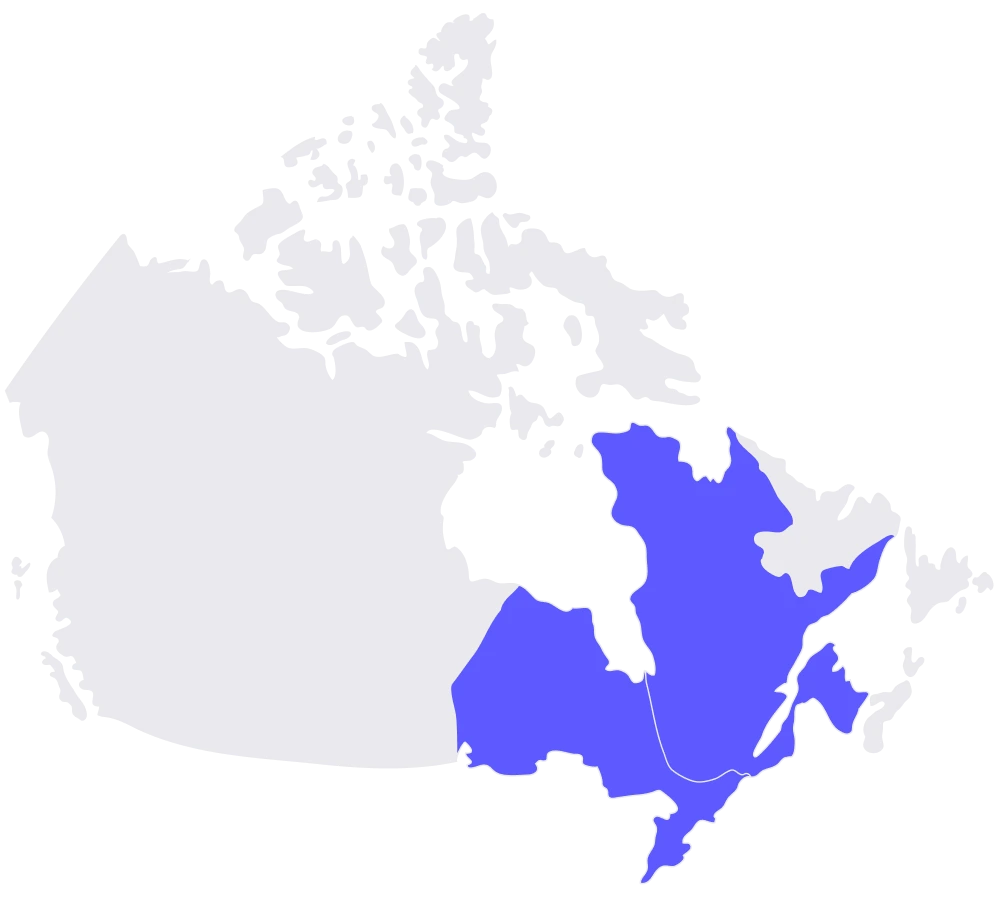
YouSet is a technology-driven insurance platform that simplifies buying and renewing insurance. Combining proprietary technology and the support of AMF and RIBO licensed brokers, we’re making it faster and easier to buy home and car insurance online from top insurers for less.





Get the best price year after year with price alerts at renewal. We’ll even re-shop to find you a better deal.