Tenant insurance

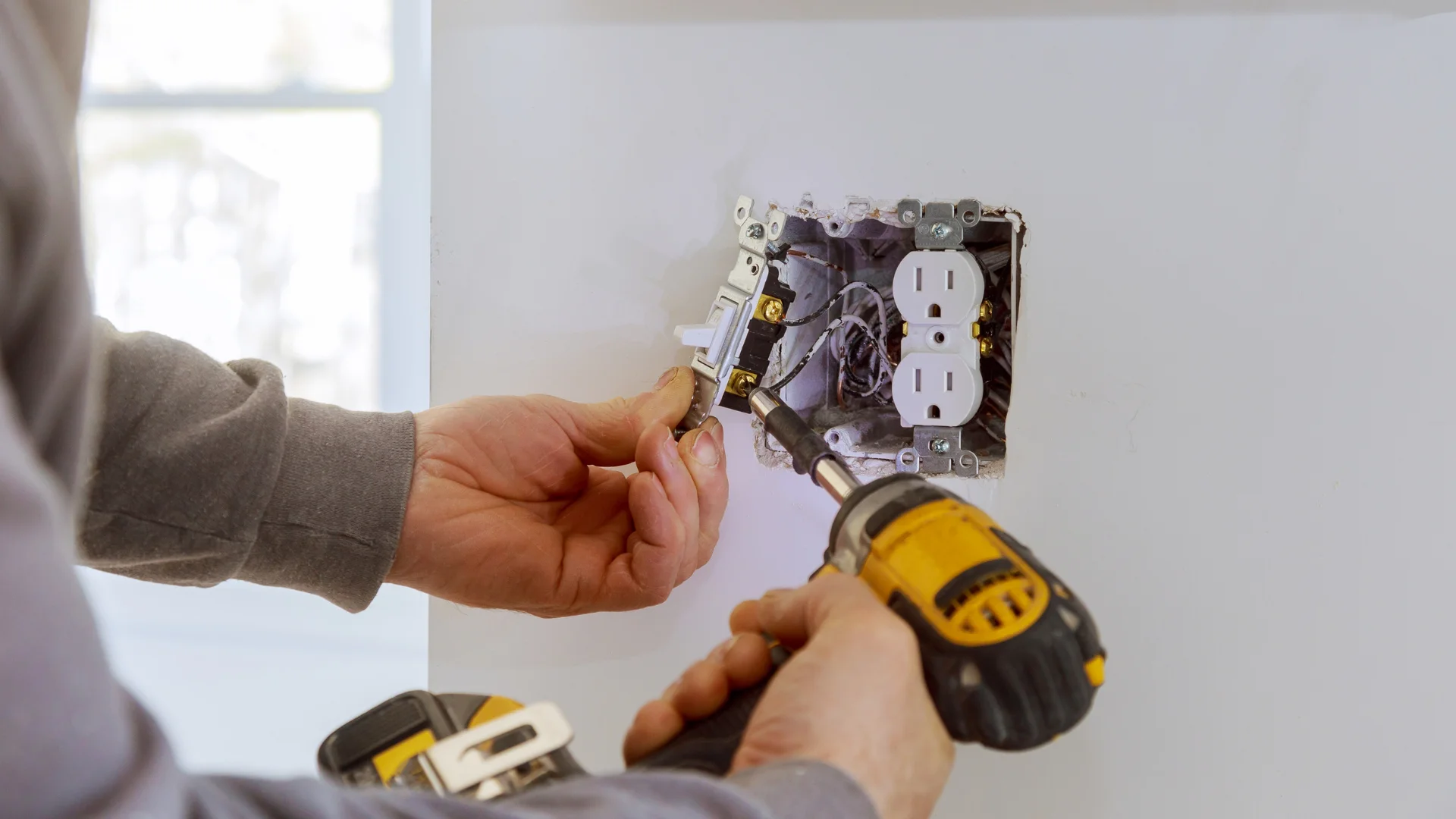
When getting a home insurance quote, you’re usually asked about the type of wiring in your home. This is because your home’s electrical system plays a major role in the risk of a fire, which can directly affect your insurance premiums, eligibility, and coverage options.
If your home has an older wiring system, it’s generally considered a higher risk because it may not meet modern Canadian electrical safety standards or safely support today’s electrical demands. Outdated wiring can even lead to higher insurance costs and, in some cases, make it harder to get coverage altogether.
In this blog, you’ll learn how to identify the type of wiring in your home, the most common types of electrical wiring in Canadian homes, and which systems are considered safest for home insurance purposes.
Key takeaways
The type of electrical wiring in your house can directly affect your home insurance premiums, eligibility, and overall safety. Follow these steps to identify your home’s wiring system:
Here are a few steps you can take to identify the type of wiring in your home before calling a professional:
The age of your home can be a good place to start when identifying the type of electrical wiring it may have, as older homes are more likely to have older types of wiring.
As a general rule of thumb, if your home was built:
However, don’t rely on age alone, as homes can be partially or fully rewired over time. For example, a home with knob-and-tube wiring may have been updated to modern copper wiring during renovations.
Look for any visible wiring in unfinished areas of your home, such as the basement or attic. If you see white, yellow, or orange plastic-covered cables, this usually indicates modern copper wiring. Grey or silver coloured wiring or cables, on the other hand, labelled ‘AL’ might indicate aluminum wiring.
If you notice white or cloth-covered wires running individually without any casing, along with porcelain knobs and tubes, this might mean your home has knob and tube wiring. However, if you’re unsure what you’re looking at, don’t open walls or electrical boxes yourself. It’s best to call a licensed electrician.
Your home’s electrical panel will often be located in the basement or garage. A modern breaker panel will have switch-style breakers rather than older screw-in fuses, and a newer, clearly labelled panel may suggest the home has been updated or partially rewired.
On the other hand, if your home has a fuse box rather than breakers, it may indicate that the electrical system, and potentially the wiring itself, is older.
Three-prong outlets usually indicate a grounded, modern system, which is typically required by code for new homes. Two-prong outlets are commonly found in older homes and often suggest outdated or ungrounded wiring.
Watch for signs such as discolouration, warmth, or loose fittings, which can indicate aging electrical components that haven’t been updated or replaced for a long time.
If you’re still unsure what type of wiring your home has, it’s best to contact a licensed electrician for a professional inspection. They can identify older or potentially hazardous wiring and let you know if any updates or repairs are needed.
You can find licensed electricians in local contractor directories and verify their license with the Electrical Safety Authority (ESA).
The type of electrical wiring in your home can affect safety, maintenance, and even your ability to get home insurance coverage. Here are three of the most common types of electrical wiring found in Canadian homes:
Considered the safest and most reliable material, copper wiring is the standard for today’s electrical systems. It has high conductivity, durability, and doesn’t expand or contract much, making it generally safer and lower-risk than older systems like knob-and-tube or aluminum wiring.
Aluminum wiring was installed in thousands of Canadian homes in the 1960s and 1970s as a lower-cost alternative to copper wiring. While large aluminum service entrance cables are still widely used today, older small-gauge aluminum branch wiring can loosen at connections over time. This is important for homeowners to consider, given that this can increase the risk of overheating and possible electrical fires.
Knob and tube wiring was commonly installed in homes built between the 1800s and 1930s. It was named for the single insulated wires that run separately through walls and ceilings, with ceramic “knobs” that hold the wires in place and “tubes” that protect them. This type of wiring is no longer used in new builds due to safety concerns, but it can still sometimes be found in older homes.
“Generally speaking, insurers want your home’s electrical wiring to meet current Canadian safety standards and be able to safely support the higher electrical demands of modern households,” says Channelle Cote, AMF- and RIBO- licensed broker at YouSet.
Modern copper wiring is generally viewed most favourably by insurers because it’s considered reliable, lower risk, and compatible with today’s electrical safety standards. It is often considered the “gold standard” because it usually doesn’t require additional inspections or come with exclusions, as older wiring systems might.
In contrast, older systems like knob-and-tube wiring can pose challenges for home insurance due to their age, lack of safety features, and limited ability to meet modern electrical demands. In some cases, insurers may even refuse coverage.
That said, the age and type of your wiring system isn’t the only thing insurers take into account when calculating your premium. They’ll also consider other factors like:
YouSet is a technology-driven insurance platform that simplifies buying and renewing insurance. Combining proprietary technology and the support of AMF and RIBO licensed brokers, we’re making it faster and easier to buy home and car insurance online from top insurers for less.





Our algorithms do the hard work comparing policies and prices from Canada’s top providers.