Tenant insurance

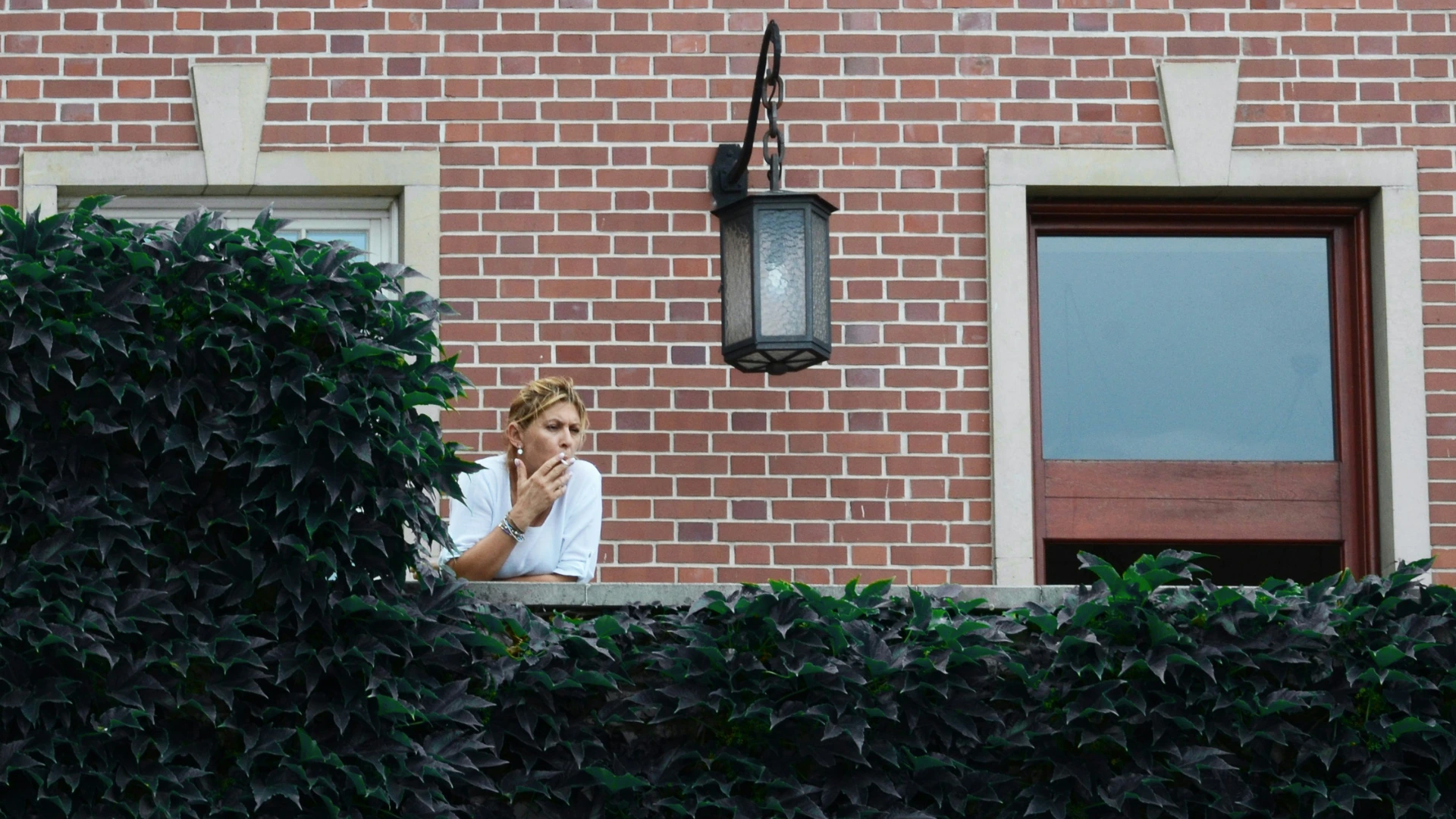
Generally speaking, the price of home, condo, and tenant insurance can go up if you or someone in your household is a smoker. On average, smokers can pay up to 5% to 20% more for home insurance, though the exact amount depends on the insurer and risk profile.
The main reason is risk. Smoking increases the likelihood of fire-related claims, which are some of the most expensive and preventable types of home insurance claims in Canada. Because of this risk, insurers usually adjust pricing, especially if you smoke regularly or inside your home.
In this blog, we’ll break down why smoking affects the price of home insurance, along with the other key factors that contribute to your insurance premium.
Key takeaways
Smoking can increase your home insurance premium in Canada, because it raises the risk of fire-related claims. It’s not an automatic penalty, though, as insurers factor it in alongside things like your home’s location, condition, and safety features.
From an insurance perspective, smoking is considered a fire hazard, as it introduces an added layer of risk inside the home. Anytime there’s an open flame or heat source involved, even something as small as a cigarette, the chances of an accidental fire increase.
Insurers are generally concerned about:
Even a small incident could lead to significant property damage and a home insurance claim. Beyond fire itself, smoking can also contribute to secondary risks that insurers factor in, like lingering smoke damage or increased wear and tear over time. These may seem minor, but they still affect the overall condition and insurability of your home.
In simple terms, smoking introduces a new risk. More risk means a higher likelihood of a claim and a higher potential cost for insurers to cover, so that added risk is often reflected in the price you pay for home insurance.
Yes, but not always. Smoking is considered a risk factor, not an automatic penalty. “There’s no fixed surcharge for smokers,” explains Channelle Cote, AMF- and RIBO-licensed broker at YouSet. “Insurers look at the full picture, and smoking is just one factor among many that can influence your premium.”
Remember, a lot of factors go into calculating the price of home insurance, including:
Ultimately, how much smoking affects your premium will depend on the insurer, the property, and your personal details.
In insurance, “smoker” is a broader term than most people realize. Typically, a “smoker” is someone who:
From the insurer’s perspective, the key concern is exposure to risk within the home. For example, even if you don’t smoke yourself, living with someone who does can still increase the risk of a fire-related incident.
Insurers may also ask about other forms of smoking or inhalation inside the home, such as cannabis use or vaping, since these can introduce similar fire-related risks.
If no one in the household smokes anymore, your home may be considered lower risk, especially when it comes to fire hazards. With that added risk removed, some insurers may reassess your profile and classify your home as non-smoking, which can lead to more favourable pricing at renewal.
That said, the impact isn’t always dramatic. Because premiums are based on multiple factors, quitting smoking may not lead to a significant immediate drop on its own, but it can improve your overall risk profile, which may translate into better pricing or eligibility for discounts over time.
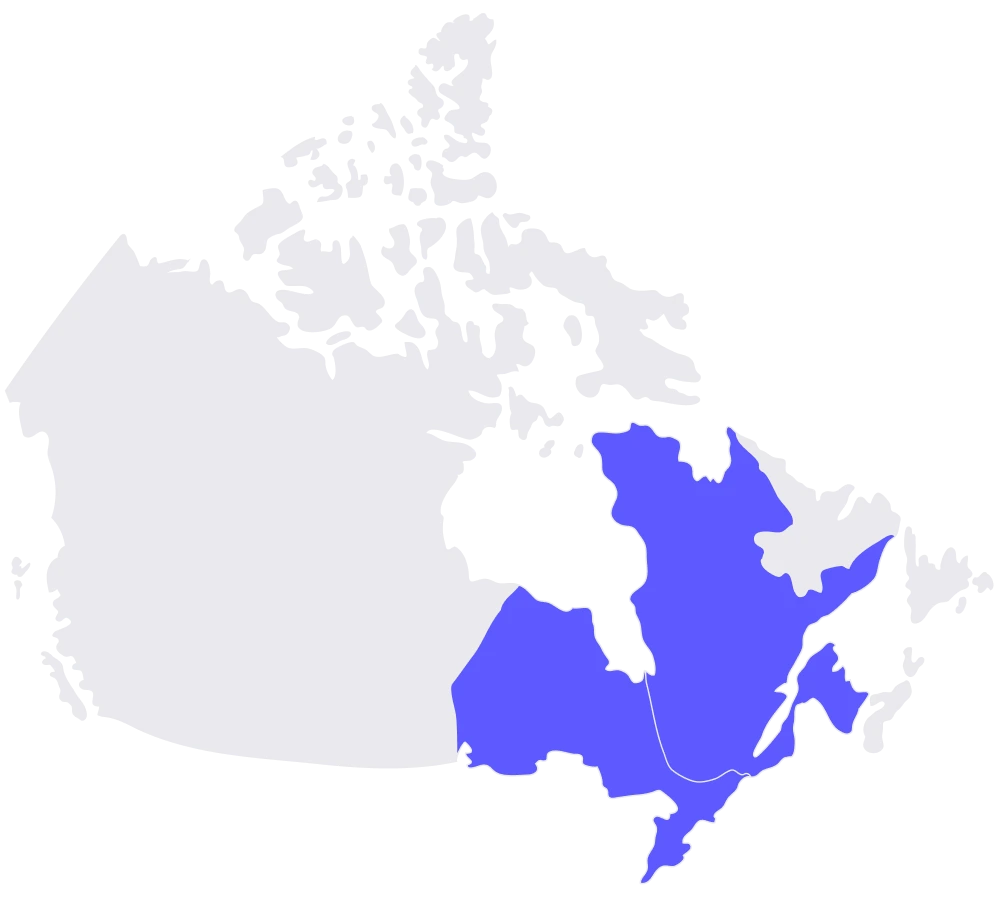
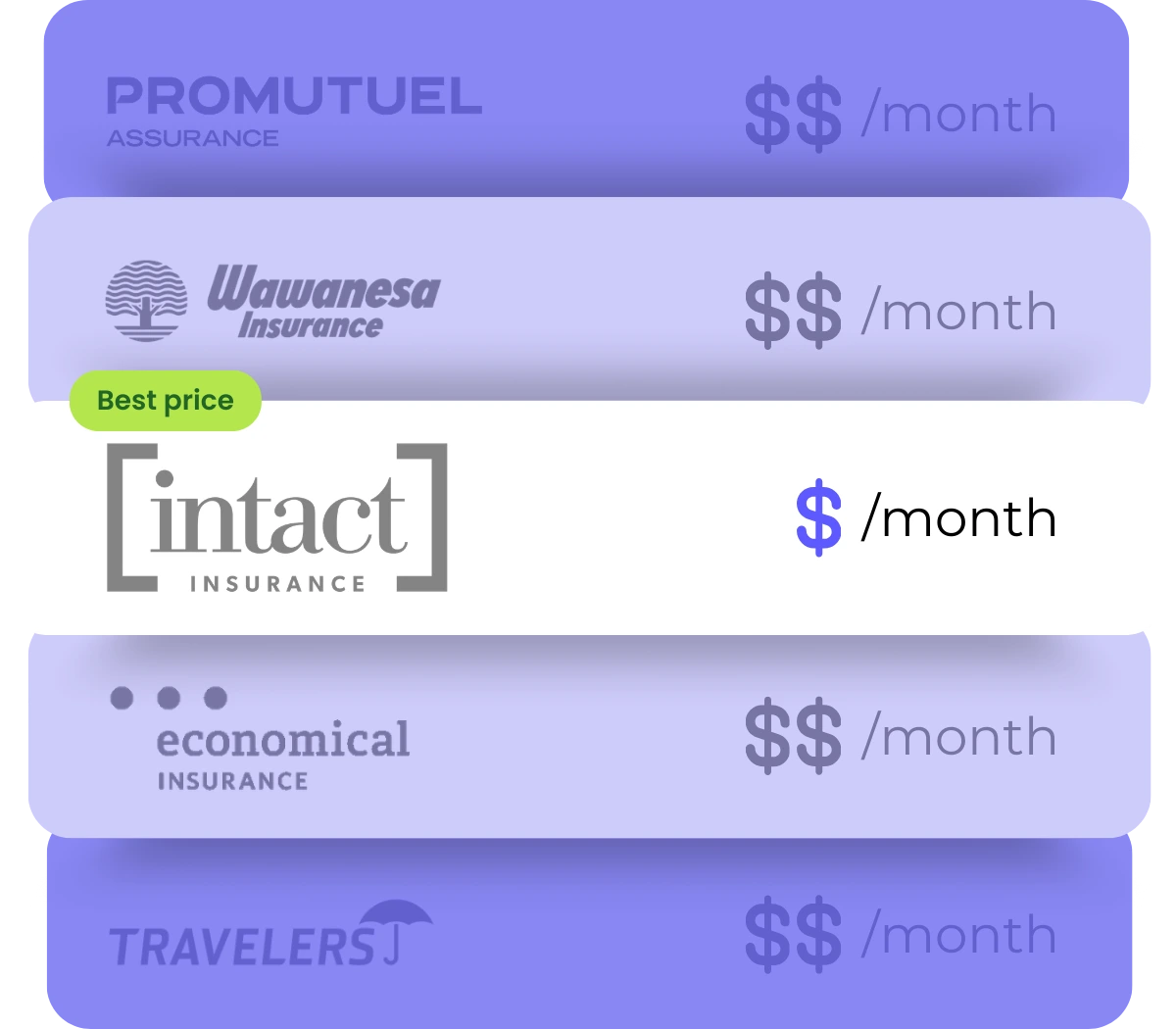
YouSet is a technology-driven insurance platform that simplifies buying and renewing insurance. Combining proprietary technology and the support of AMF and RIBO licensed brokers, we’re making it faster and easier to buy home and car insurance online from top insurers for less.



Our algorithms do the hard work comparing policies and prices from Canada’s top providers.