Car insurance

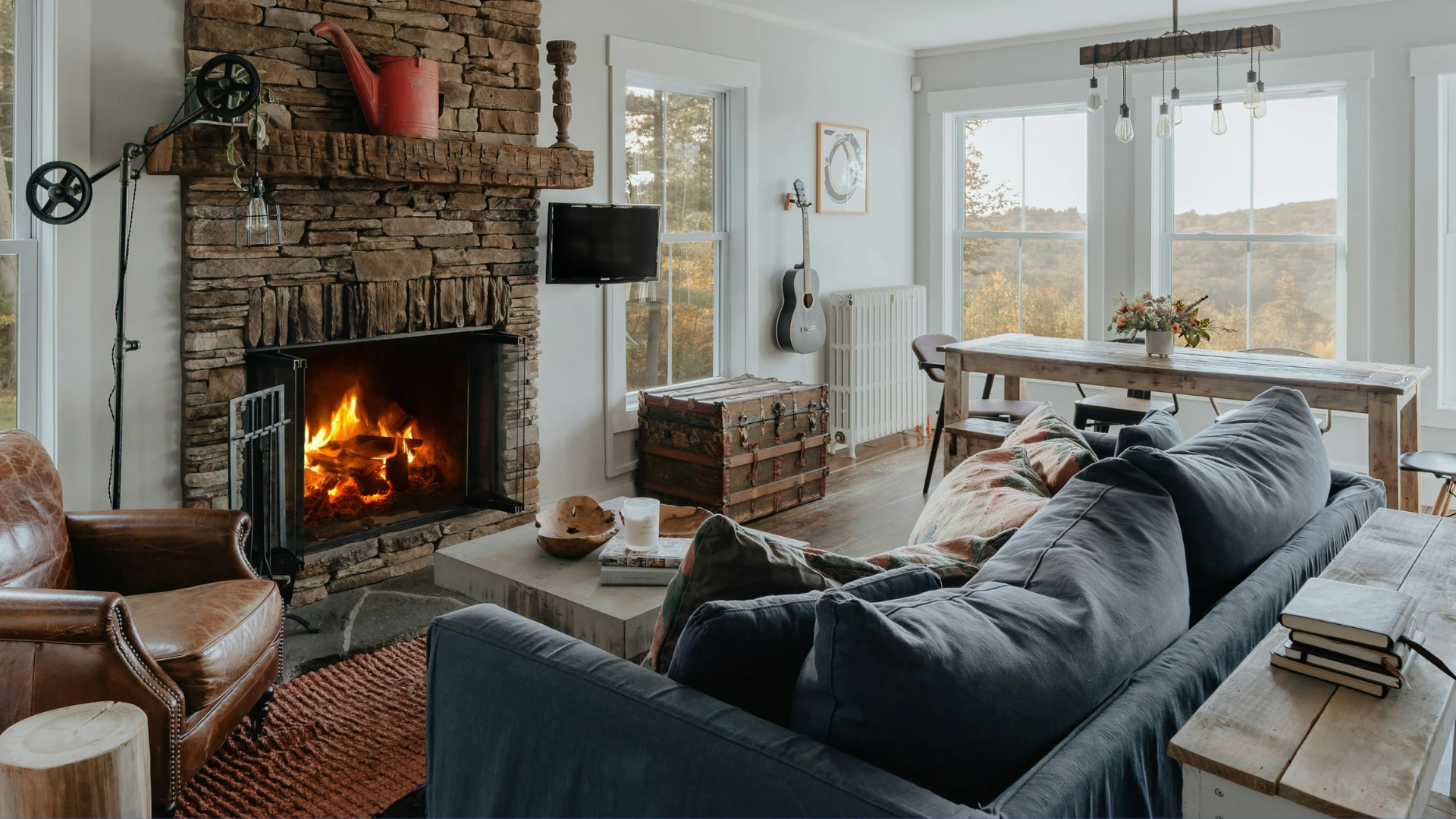
If you have a fireplace, you might be wondering how much it can affect your home insurance, specifically your premium. The answer depends on a few key factors, including the type of fireplace you have and how well it’s maintained.
Generally speaking, the price of home, condo, and tenant insurance can go up if you have a fireplace, but usually only modestly. The main reason is risk, because fireplaces introduce an additional source of heat and a potential fire hazard.
That said, the type of fireplace (wood-burning, gas, or electric) plays a major role in how insurers assess risk, along with how well it’s maintained and used. A properly installed and regularly inspected fireplace may have a minimal impact on insurance costs, while older or poorly maintained systems can raise concerns, leading to a higher premium.
If you have a fireplace in your home, you may notice the following when getting a home insurance quote:
In this guide, we’ll break down how different types of fireplaces affect your insurance, what insurers look for, and how you can reduce added costs if you have one.
Key takeaways
Your insurance premium may increase if you have a fireplace, but not always. The impact depends on the type: wood-burning fireplaces carry more risk and may raise premiums, while gas and electric fireplaces are generally lower risk.
Having a fireplace doesn’t automatically mean your insurance will go up. Insurers don’t penalize homeowners for having one; they’re simply trying to understand the level of risk and price your policy fairly. To do that, they typically look at:
The main reason fireplaces can impact your insurance is that they introduce an open flame and a high heat source inside your home. As a result, fireplaces pose a risk of fire-related incidents, including:
Simply put, having a fireplace adds extra risk to your home. That increases the chances of a fire-related claim, which can lead to slightly higher insurance premiums.
It’s also one reason some homeowners choose to remove their fireplaces entirely. In some cases, the perceived risk outweighs the benefit, especially when:
Wood-burning fireplaces are typically the most heavily scrutinized by insurers. This is especially true in older homes, where masonry chimneys and fireplaces may not meet modern building codes or may have experienced years of wear and tear.
“Wood-burning fireplaces require more attention because they rely on proper use and regular maintenance. Without that, the risk of issues like chimney fires increases significantly,” explains Channelle Cote, AMF- and RIBO-licensed insurance broker at YouSet.
Wood-burning fireplaces tend to carry more risk because they:
Because of this, insurers may ask additional questions or apply more conditions when underwriting a home with a wood-burning fireplace.
Not all fireplaces are viewed the same by insurers. Gas and electric options are generally considered safer and lower-risk, because they don’t involve wood combustion and therefore don’t produce ash or creosote buildup.
Gas fireplaces use natural gas or propane to produce a controlled flame, providing consistent heat with minimal smoke and low maintenance. Generally, they are considered moderate to low risk, but still require proper installation and ventilation to prevent gas or carbon monoxide leaks.
Electric fireplaces, on the other hand, use electricity to create heat and the illusion of fire. From an insurance standpoint, they’re generally considered very low risk, though they still require a safe electrical setup and proper use to avoid overheating or fire hazards.
That said, they are not completely risk-free. Issues can still arise, especially if your home has an outdated electrical system, the fireplace was poorly installed, or it lacks proper ventilation.
Here are some practical steps you can follow to reduce insurance concerns:
Regular chimney cleaning helps prevent creosote buildup and reduces the risk of chimney fires. Most insurers require you to do this at least once per year.
Having your fireplace and chimney inspected (especially before winter) helps catch any potential safety issues. It also shows insurers that you’re regularly maintaining your home.
Save receipts and reports from cleaning and inspections. This can be useful if your insurer requests proof or if you file a claim.
Proper ventilation ensures smoke and gas are safely directed out of your home, not back into it. Ensure your ventilation isn’t faulty or outdated.
Always hire certified professionals for installation, repairs, or upgrades. This helps ensure everything meets modern safety standards.
Let your insurer know if you install, replace, or convert your fireplace. This keeps your policy up to date and helps prevent coverage issues later.
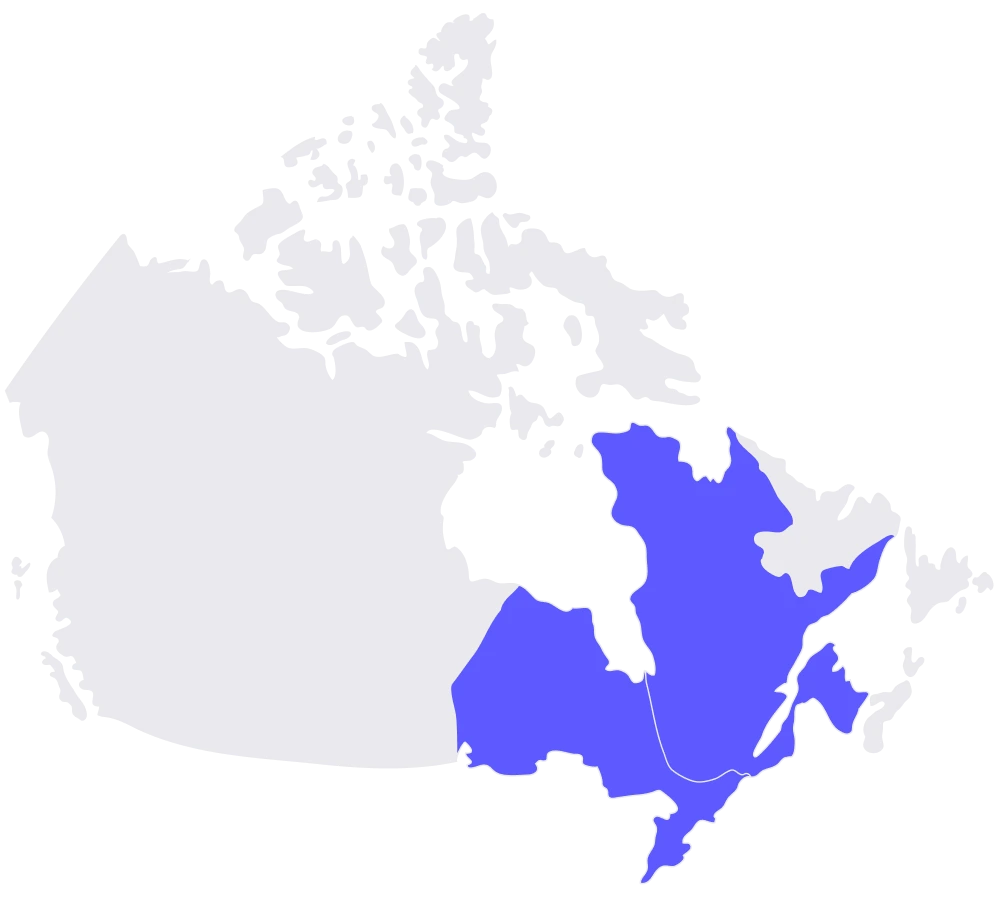
YouSet is a technology-driven insurance platform that simplifies buying and renewing insurance. Combining proprietary technology and the support of AMF and RIBO licensed brokers, we’re making it faster and easier to buy home and car insurance online from top insurers for less.




Get the best price year after year with price alerts at renewal. We’ll even re-shop to find you a better deal.