Car insurance


Buying a car is exciting. Whether it’s brand new or used, there’s nothing like the feeling of finally picking it up and getting behind the wheel. But before you can drive it off the lot, there’s one important step you can’t skip: getting car insurance.
In most cases, dealerships require proof of coverage before releasing the vehicle, and your policy must start on pickup day. Without it, registration may be delayed, and your pickup appointment might not go as planned.
In this blog, you’ll learn why insurance is required before pickup and the step-by-step process to get insured quickly and smoothly.
Key takeaways
Follow these steps to insure your car before driving it off the lot:
You cannot drive a car you just bought without insurance, as that would be considered driving without insurance, which is illegal in every province and territory in Canada. Even if you just bought the car, you need an active insurance policy before you can legally get behind the wheel.
In fact, dealerships may not release a vehicle without proof of insurance. If they’re registering the car on your behalf, which many do, they’ll often need confirmation of your insurance policy first. For example, in Ontario, you must show proof of insurance before your vehicle can be registered. Without it, you can’t register it, or therefore, drive it.
“Before you can drive a new car off the lot, you should have car insurance in place,” says Channelle Cote, an AMF- and RIBO-licensed broker at YouSet. “Don’t show up to your pickup appointment without proof of coverage, as the dealership may not be able to release or register the vehicle, which can quickly turn an exciting day into a frustrating one.”
You can begin getting car insurance quotes for a new car as soon as you have the vehicle details, like the VIN, purchase price, and delivery date. The earlier you start, the more time you’ll have to compare quotes, find the best price, and make sure everything is finalized.
Whenever possible, aim to have car insurance set up at least one week before your pickup appointment. While digital insurance platforms, like YouSet, speed up the process and get proof of car insurance in your hands faster than some traditional providers, if additional documents or approvals are required, it can take a few business days.
If you’re looking for the fastest way to insure a new car before driving it off the lot, a digital insurance platform and broker like YouSet is one of your best options. With 24/7 online checkout, extended business hours, and licensed insurance brokers available by text, phone, and email, it’s possible to go from quote to proof of insurance in just a few hours.
Granted, that’s the best-case scenario. While many policies can be finalized the same day, additional underwriting reviews, document requests, or lender requirements can extend the process by a day or two. So, start early if you don’t want that stress.
You can’t control every part of the insurance approval process, but you’re not entirely at the mercy of insurance providers either. A few proactive steps can make it faster to get car insurance for your new car:
Insurance providers will ask for the vehicle identification number (VIN), make, model, mileage, and whether it’s leased or financed. Have this information on hand to make the quote process faster and prevent any back-and-forth later.
If your car is leased or financed, your lender or leasing company will likely require specific coverage types or limits, such as comprehensive and collision insurance. You want to know exactly what those requirements are, so you don’t waste time getting quotes that won’t qualify and will just have to be fixed later.
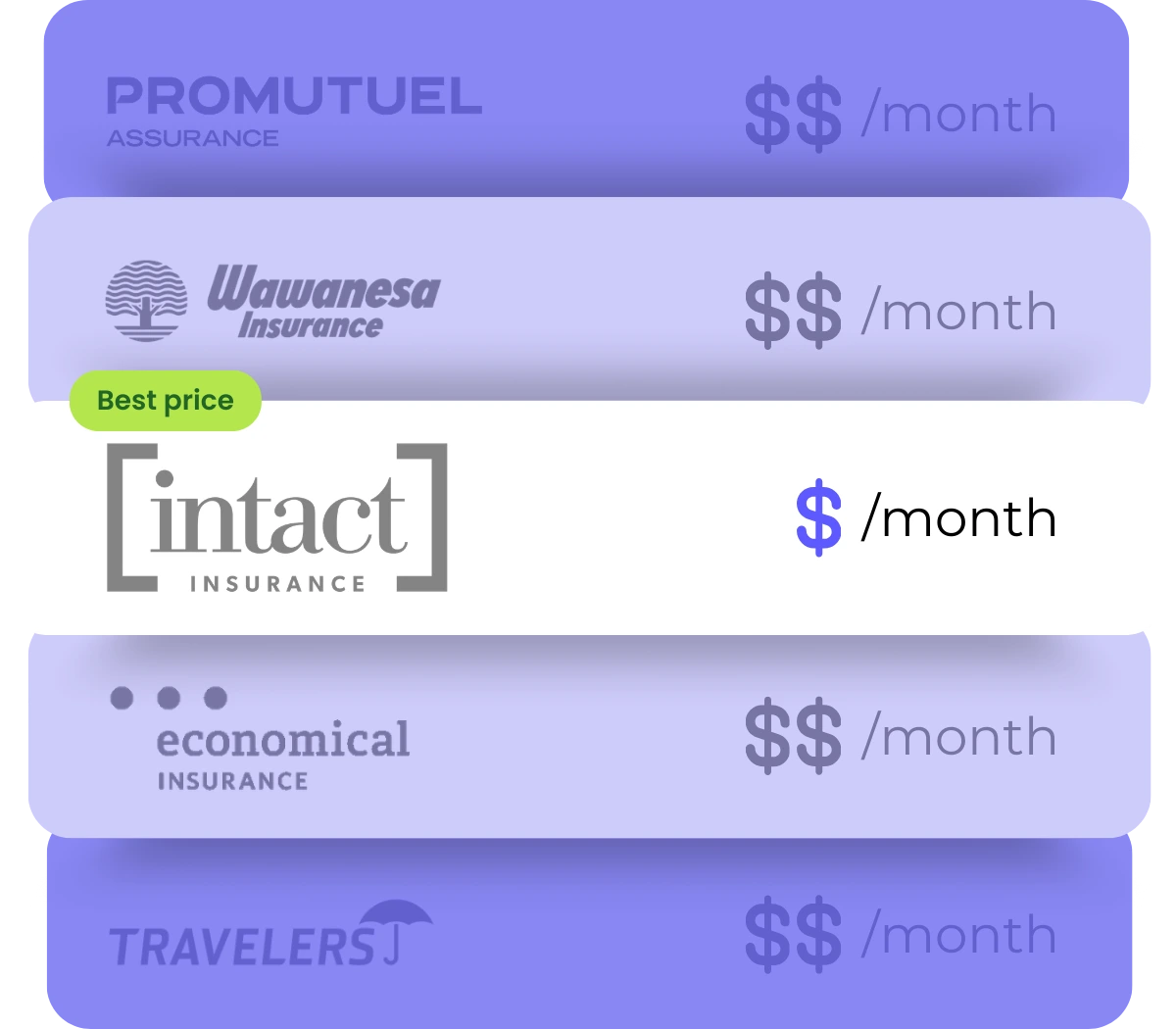
Even if you’re short on time, comparing quotes is the best way to avoid overpaying for car insurance. Instead of contacting each insurer individually, use a digital insurance broker like YouSet. You can see quotes from multiple insurers in one place and complete your purchase online, without being redirected to another website or having to make a phone call.
Select the coverage that matches your needs and any obligations tied to your vehicle. If you’re leasing or financing your car, comprehensive and collision coverage are usually mandatory. You may also want to consider add-ons to your policy, like rental car or loss of use coverage.
Insurance for a new car should begin on the day you’re scheduled to pick up the car. If the effective date is later, the dealership may not be able to release the vehicle when you arrive.
As soon as you receive digital proof of insurance, send a copy to the dealership, ideally before pickup day. This will give the dealership time to verify your coverage and should help prevent unwanted delays or surprises.
If you already have car insurance on another vehicle, your existing policy may temporarily extend coverage to your new car. This is called a grace period, and it can help bridge the gap between purchasing your new car and formally updating your policy.
In an article by the Globe and Mail, the Insurance Bureau of Canada explained that, “Most car insurance policies across the country give you coverage for 14 days for a newly acquired automobile. If you trade in an old car and get a new car, it will have the same coverage, but only for 14 days.”
That said, a grace period on a new car is not guaranteed. Whether you have one, and how long it lasts, depends entirely on your insurer and the specific terms of your existing policy.
It’s risky to assume there’s an automatic 14- or 30-day grace period, or even any grace period at all. If you’re mistaken, you could be left financially and legally exposed if something happens during that time. The only way to know for sure is to review your policy documents or contact your insurance provider directly before driving your new vehicle off the lot.
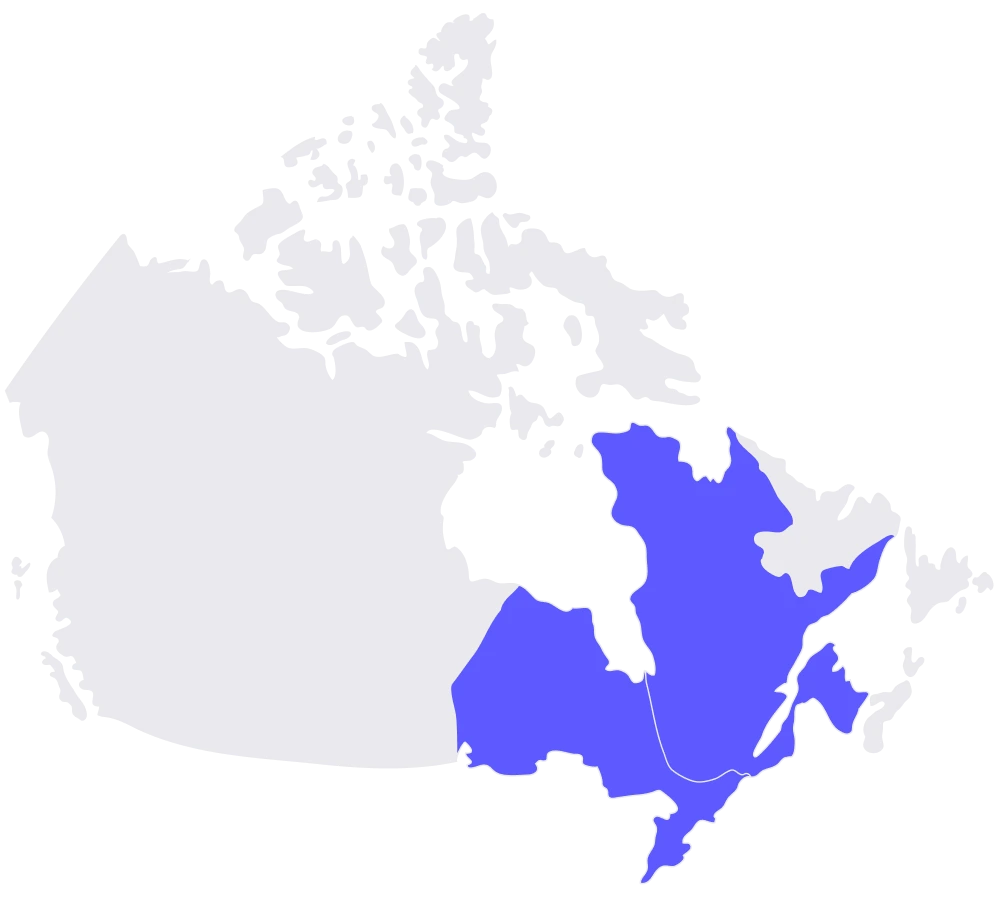
YouSet is a technology-driven insurance platform that simplifies buying and renewing insurance. Combining proprietary technology and the support of AMF and RIBO licensed brokers, we’re making it faster and easier to buy home and car insurance online from top insurers for less.





Our algorithms do the hard work comparing policies and prices from Canada’s top providers.