Car insurance

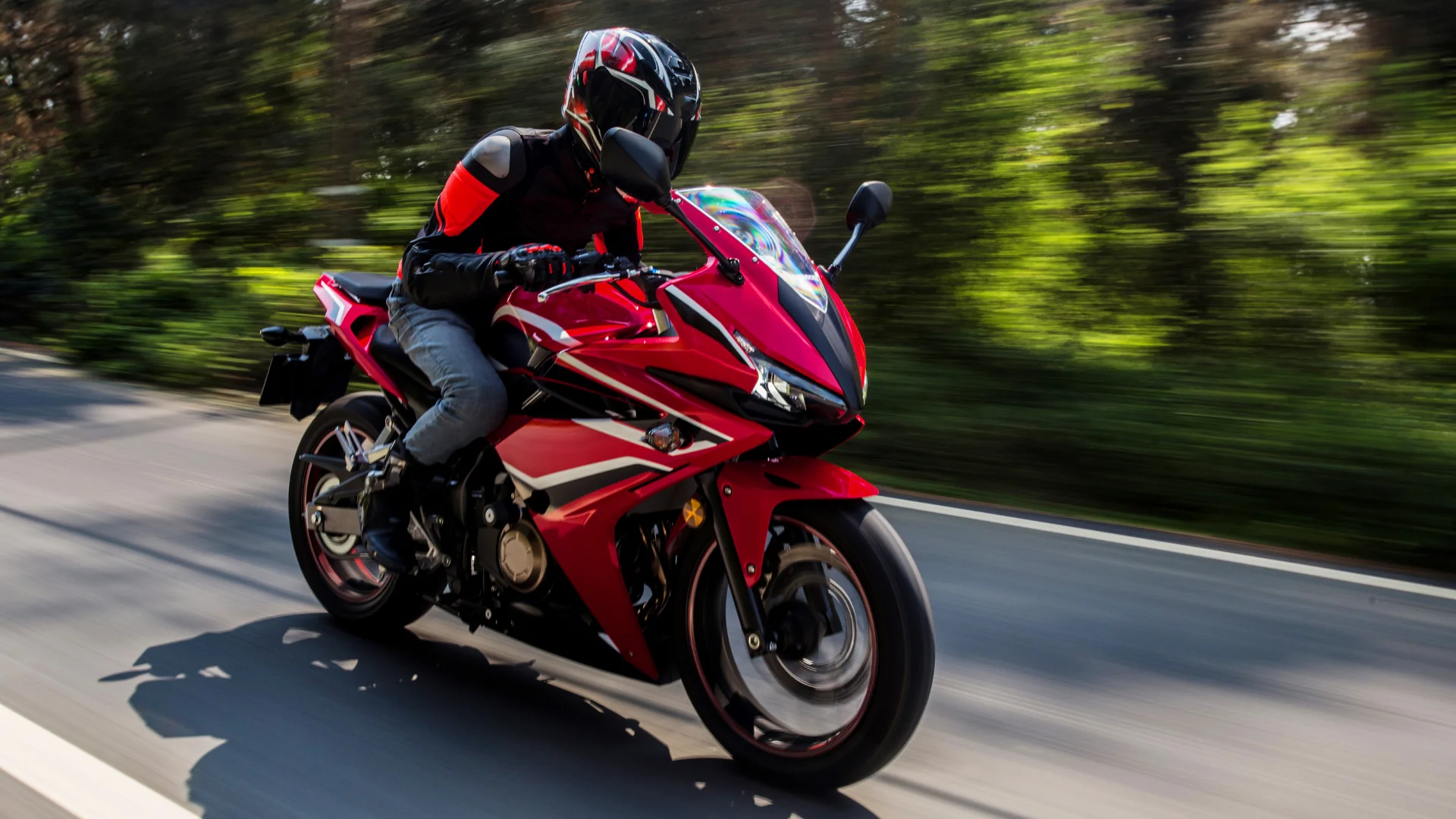
Buying your first motorcycle is exciting, but it also comes with many important decisions beyond just choosing a bike. There’s a lot to consider, from motorcycle insurance and licensing to protective gear and maintenance costs.
Purchasing a motorcycle is a much more personal riding experience than buying a car. You’ll need to think about the type of riding you plan to do, how comfortable the bike feels, and whether it works for your experience level. On top of that, getting the right insurance coverage and investing in quality gear is just as important as choosing the right motorcycle.
From setting a budget and getting insurance quotes before you buy to investing in quality gear, here are the do’s and don’ts of buying a motorcycle for the first time.
Key takeaways
When buying a motorcycle for the first time, you’ll need to think about things like insurance, maintenance costs, your riding style, and more. Some important considerations to keep in mind include:
It’s important to budget for more than just the bike itself. You’ll need to think about the following additional costs:
Motorcycle insurance can be expensive for beginners, with costs depending on factors such as your province, driving history, age, and the make and model of your bike.
In Ontario, riders pay an average of about $2,500 per year on motorcycle insurance, with high-performance bikes costing more. In Quebec, costs are generally lower because of the SAAQ’s public insurance plan. As a beginner rider, you’ll pay about $1,150 per year through the SAAQ, plus about $270 of private insurance annually.
Protective gear is another expense that you might underestimate as a first-time rider. Expect to pay anywhere from $500 to $1,500+ on a quality helmet, gloves, boots, pants, and jacket. Used gear can be cheaper, but buying new is generally recommended for safety.
Depending on your bike, riding habits, and whether you do repairs yourself or go to a shop, maintenance usually costs between $500 and $2,500 per year for the average rider.
Again, registration and motorcycle licensing vary by province. In Ontario, for example, you can expect to pay $500+ for tests, licenses, and courses. Costs are higher in Quebec due to mandatory training courses, often exceeding $1,200.
It can be tempting to buy a motorcycle based on appearance alone, but the “coolest” bike isn’t always the most practical as a first-time rider. Some motorcycles may look exciting, but they can be heavier, faster, and even harder to handle than what you’re comfortable with, which can make learning more difficult and increase the chance of accidents.
When buying your first motorcycle, consider factors like comfort, reliability, fuel efficiency, maintenance costs, and how you’ll use the bike day to day. Keep in mind that insurance costs can also vary depending on the type of bike you have. Oftentimes, more high-performance or sports bikes come with higher insurance premiums.
Some bikes are more expensive to insure than others, and as a new rider, you’ll often pay a higher premium. It’s essential to get a quote for motorcycle insurance before buying, so you’ll know the upfront costs and how much it can change based on the type of bike, age, and province you live in.
For example, a sports bike can cost far more to insure than a cruiser, which can amount to thousands of dollars difference over the lifespan of the bike. Ultimately, getting a quote before you buy ensures you aren’t stuck with an expensive bike you can’t afford to insure.
Although comprehensive and collision coverage aren’t legally mandatory in Canada, they’re seriously worth considering, especially if you’re buying a brand-new, expensive, or financed motorcycle. In many cases, lenders will require both coverages if you’re financing your bike.
Comprehensive coverage protects your motorcycle from non-collision risks like fire, theft, vandalism, severe weather, or hitting an animal, and collision coverage pays to repair or replace your motorcycle if it’s damaged in a collision with another vehicle, a tree, guardrail, fence, or another object, regardless if you’re at fault.
“Replacing or repairing a motorcycle after an accident or theft can be very expensive, which is why many riders choose to add comprehensive and collision coverage for extra peace of mind,” says Channelle Cote, AMF- and RIBO- licensed broker at YouSet.
Buying a used bike can be a great way to save money, but it’s important to know what you’re buying before making a decision. They can come with imperfections, hidden damage, or maintenance issues from the previous owner. Thus, be prepared for possible repairs and ongoing maintenance costs.
Before buying, get a VIN check to review the motorcycle’s history. If you’re buying from a dealership, ask them to do an inspection and engine check as well. Looking into the bike’s history can reveal past accidents, salvage or rebuilt titles, inaccurate mileage, or signs that the bike wasn’t properly cared for, helping ensure it’s safe and worth the price.
Online communities and forums like Reddit, Quora, and motorcycle-specific groups can be incredibly helpful when buying your first bike. On these forums, real people share their first-hand experiences with different motorcycles, including their reliability, comfort, maintenance, costs, and how beginner-friendly a bike actually is.
You can participate in the discussions yourself, ask questions, and compare different models, helping you make a more informed decision before buying.
Investing in quality gear from the beginning can improve both your safety and comfort while saving you money in the long run. Cheap gear may wear out quickly and offer less protection, while higher-quality gear is designed with more durable, impact-resistant materials that help reduce the risk of severe injuries and accidents. Many modern motorcycle gear brands also offer stylish options, so you don’t have to sacrifice fashion for protection.
Protective gear is one of the most important investments you can make as a new rider. It might be tempting to save money by skipping certain gear, but riding without protection can lead to much more serious and costly consequences if you get into an accident.
If you buy cheap or poorly fitting gear just to save money, you likely won’t have the same level of protection and comfort. Investing in durable, well-fitting gear from reputable brands can improve your safety, comfort, and confidence every time you ride.
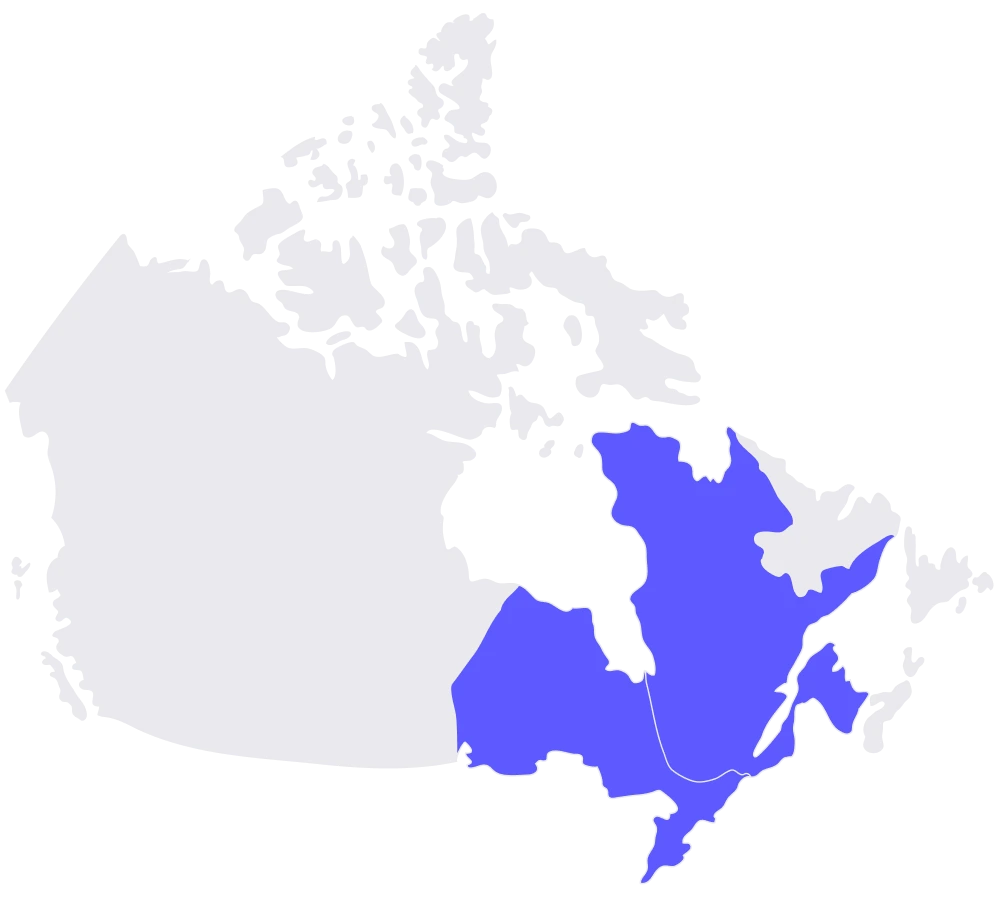
YouSet is a technology-driven insurance platform that simplifies buying and renewing insurance. Combining proprietary technology and the support of AMF and RIBO licensed brokers, we’re making it faster and easier to buy home and car insurance online from top insurers for less.



Our algorithms do the hard work comparing policies and prices from Canada’s top providers.