Car insurance

A burst pipe can catch you completely off guard, and in the moment, you may not know what to do first. Do you call a plumber right away? Try to stop the leak yourself? When should you contact your home insurance provider?
If you ever find yourself in this situation, you’re not alone. Water damage is the leading cause of home insurance claims.
When a pipe bursts, acting quickly matters just as much as having the right insurance coverage. In this step-by-step guide, we’ll walk you through exactly what to do to limit the damage and prevent it from happening again.
Key takeaways
If a pipe bursts in your home, follow these steps:
The first and most important step is to turn off your main water supply. In most cases, the main water shut-off valve is located in the basement, mechanical room, crawl space, or garage, or near where the main water line enters your house. If the burst pipe is connected to a specific fixture, like a toilet or sink, you may be able to shut off the smaller valve there.
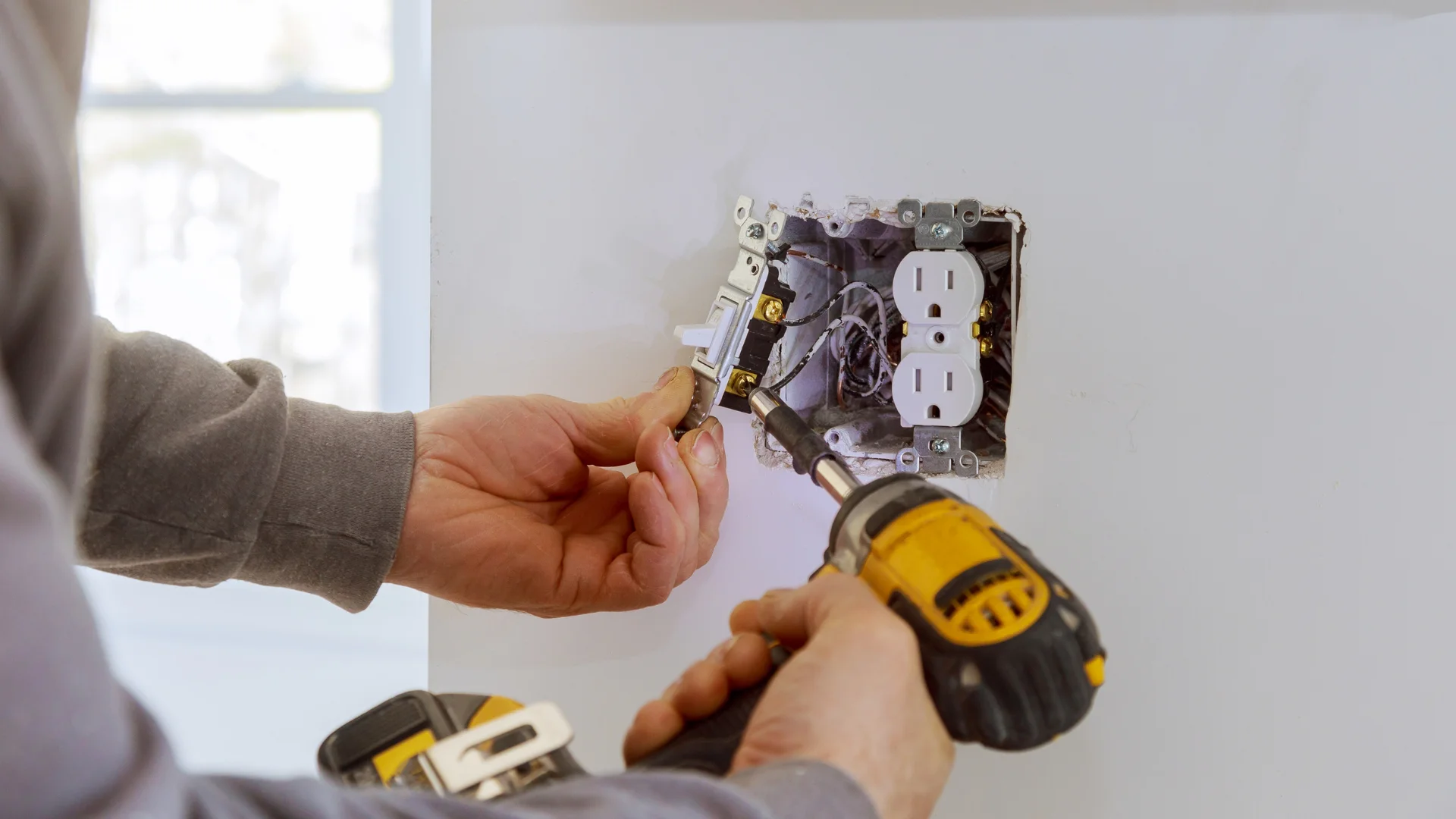
If water is leaking near outlets, appliances, or electrical panels, avoid touching anything. If you can safely reach your breaker panel without standing in water, turn off the power to the affected area. But if it looks too risky, leave it alone and call a licensed electrician or emergency services.
Once the water supply is shut off, drain your pipes of any remaining water to relieve the pressure and prevent any more water from freezing in the pipes (if that’s the issue). You can do so by turning on the cold taps and flushing the toilets until they’re empty.
Locate the source of the leak. Listen for dripping or running water, and look for water stains or bulging ceilings.
Once it’s safe, move all your electronics, furniture, rugs, clothing, and any valuables away from the leak to prevent further damage. If it’s a large leak, use buckets, towels, or a wet/dry vacuum to collect standing water, and place a bucket under any leaks from the ceiling.
Before starting any major cleanup, document the damage. Take photos and videos of the burst pipe, standing water, leaks, and damaged walls, floors, ceilings, furniture, and personal belongings.
Call a licensed plumber to stop the leak and repair the pipe. Avoid attempting repairs yourself, as improper fixes could reduce your eligibility for insurance coverage. Be sure to keep the plumber’s invoice and repair notes, as your insurer may ask for them if you file a claim.
Contact your insurer as soon as possible to report the damage and get guidance on the next steps. They may send an adjuster, recommend approved restoration companies, or tell you what temporary repairs are allowed before the claim is assessed. Emergency repairs are usually expected, but you may need to wait for approval before starting permanent repairs.
In most cases, sudden and accidental water damage from a burst pipe is covered under home, condo, and tenant insurance. However, coverage depends on your policy, the cause of the burst pipe, and whether the damage was preventable.
Home insurance generally covers:
Keep in mind that insurance usually doesn’t cover the cost of the broken pipe itself, but the resulting damage to your home and belongings.
Water damage can quickly lead to mold growth, so it’s important to dry the area. Open your windows, run fans and dehumidifiers, and remove soaked carpets or rugs.
Keep everything related to your claim, including photos, videos, receipts, reports, estimates, and emails from your insurer, so you can refer back if needed. Take photos of paper receipts and make a digital copy of everything.
After the damage is handled and the pipe is fixed, take steps to prevent this from happening again. Some things you can do to prevent future burst pipes include:
A burst pipe can cause serious damage in a short amount of time, but acting quickly can help limit the cost and stress. Having the right home, condo, or tenant insurance coverage can make a big difference, covering the cost of repairs or replacement for your home and belongings.
With YouSet, you can easily compare home insurance policies side by side to find coverage that fits your needs and budget. In just a few minutes, you can get a personalized quote and see how affordable the right coverage could be.
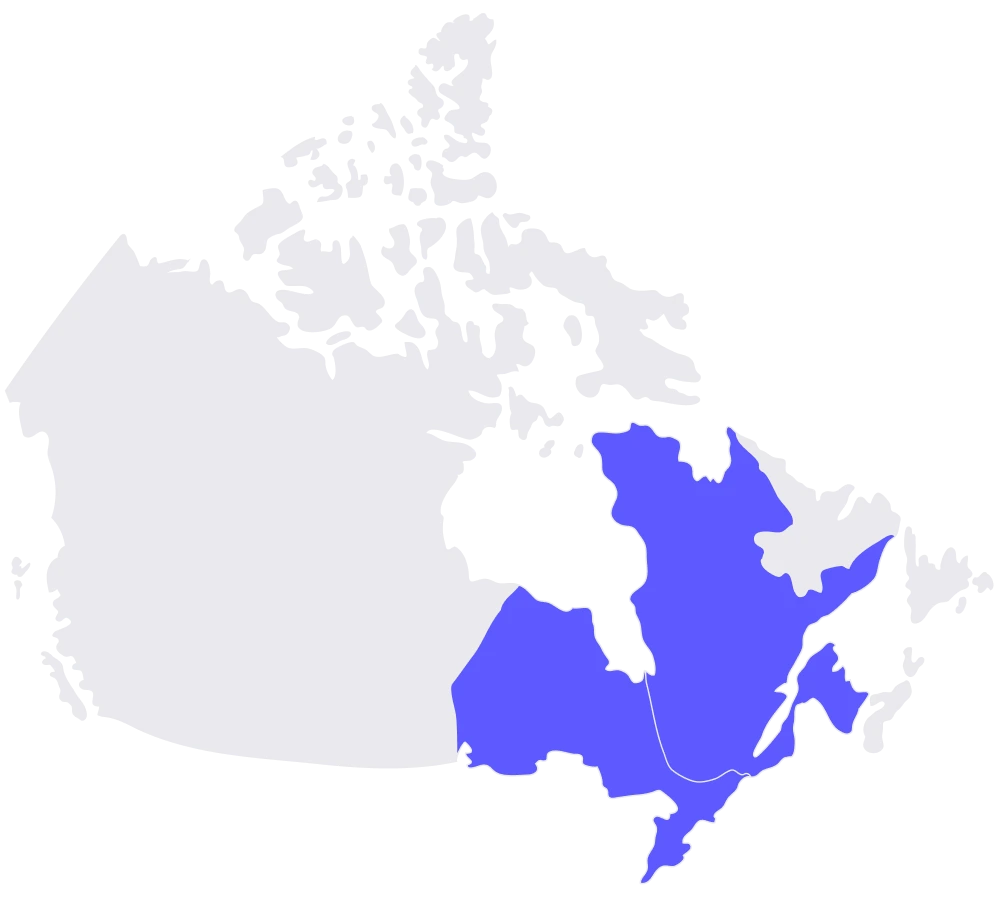
YouSet is a technology-driven insurance platform that simplifies buying and renewing insurance. Combining proprietary technology and the support of AMF and RIBO licensed brokers, we’re making it faster and easier to buy home and car insurance online from top insurers for less.





Our algorithms do the hard work comparing policies and prices from Canada’s top providers.