Condo insurance

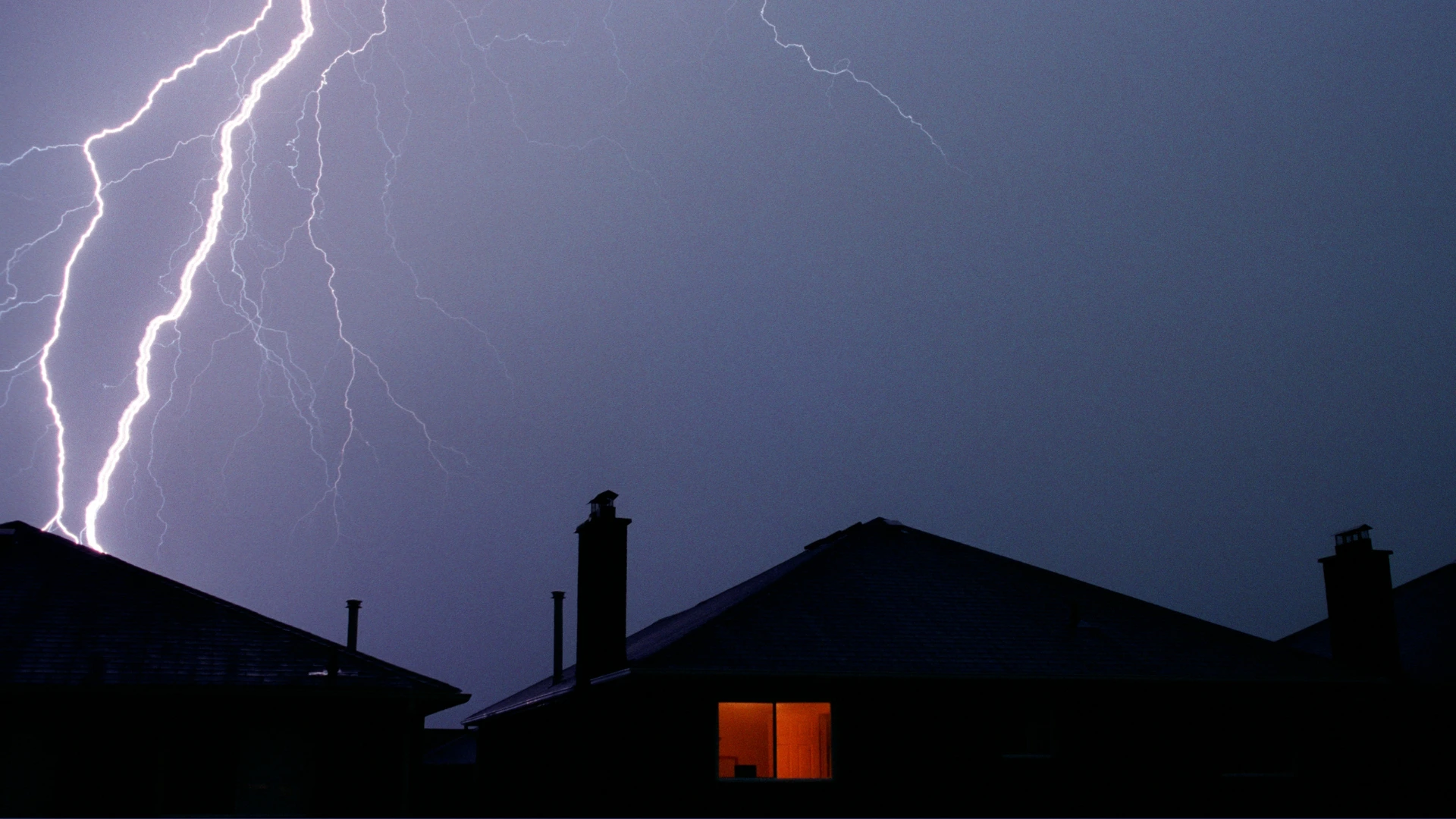
In Canada, more than two million lightning strikes hit the ground every year. While the chances of one striking your house are low, it’s not impossible. From fires hidden inside the walls to fried electronics, the aftermath of a lightning strike can be costly and difficult to navigate.
If your house gets struck by lightning, knowing what to do next is just as important as having the right home insurance coverage. Here’s a step-by-step guide on what to do in the aftermath of a lightning strike.
Key takeaways
If your home gets struck by lightning, take these steps:
If you see fire, smell smoke, notice downed power lines, or if anyone is injured, call emergency services right away. Don’t try to put out a fast-moving fire yourself, and stay clear of any fallen wires. Then, when emergency responders arrive, follow their instructions before re-entering your home.
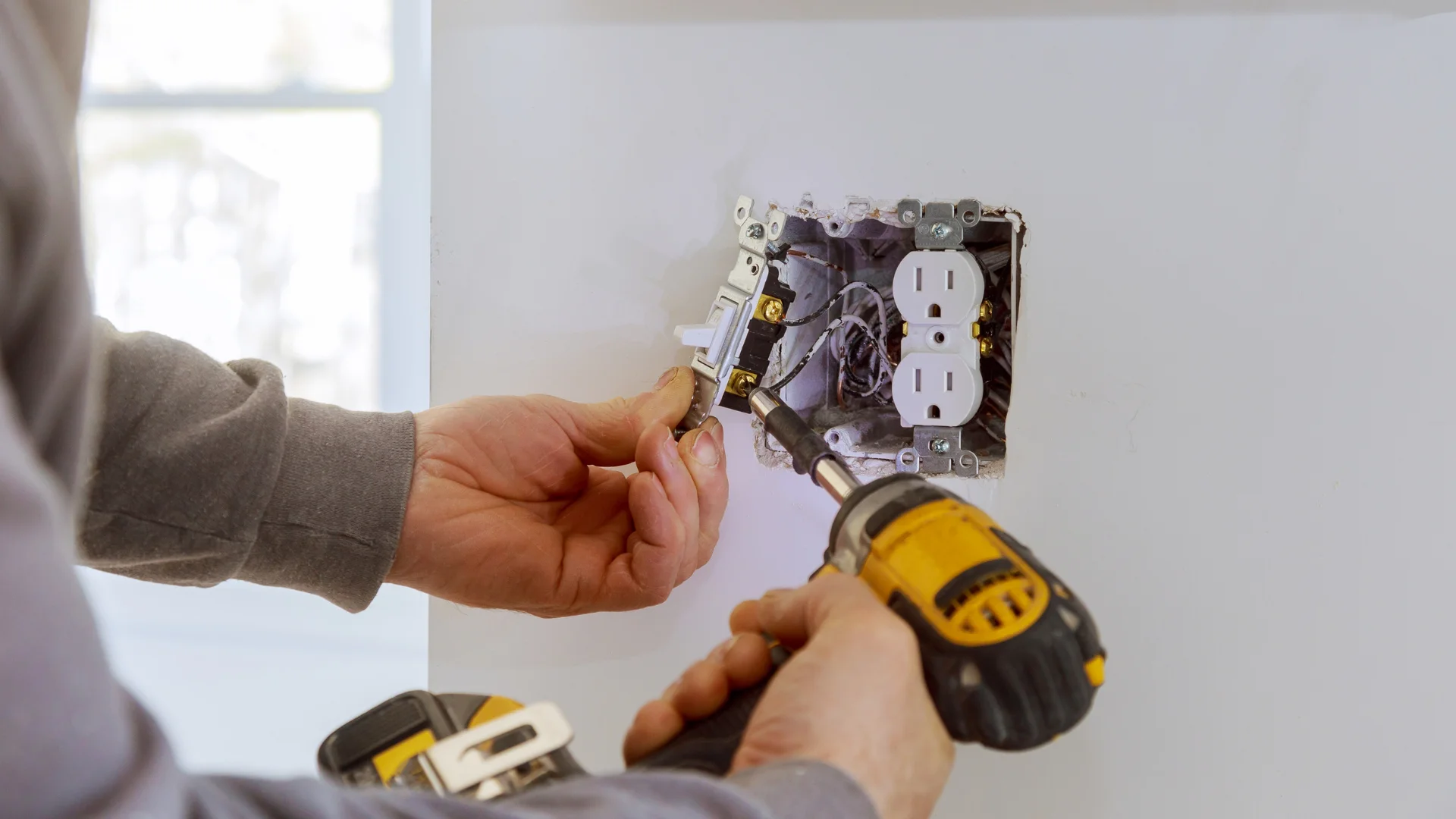
Lightning often causes power surges that can spark fires or damage electronics. Turning off your home’s electricity can prevent further problems, but only if you know how to do so safely. If you’re able to reach the main breaker without stepping in water or touching anything that’s been damaged, switch it off. But if it looks risky, leave it to a professional.
Once the storm has passed and it’s safe to return, inspect both the inside and outside of your home for damage. Lightning doesn’t always leave noticeable scorch marks; sometimes the damage can be hidden inside walls or in the attic, creating the risk of delayed fires. Some signs of lightning damage to look for include:
Before moving or cleaning anything, record the damage. Take wide photographs of the overall scene, then close-ups of details like burn marks and scorch marks on the siding or roofing. Don’t forget interior areas like attics and breaker panels.
If you smell gas, suspect wiring damage, or see downed power lines nearby, call your electricity or gas provider right away. They may need to cut power to your home or the area to prevent further hazards.
Until your insurer gives you the go-ahead for permanent repairs, do what you can to protect your home from further damage. Some temporary measures you can take to avoid worsening the damage include:
In Canada, lightning damage is usually covered under standard home insurance policies, but the details may vary. Most policies cover structural damage, personal belongings, and fire damage caused by lightning. However, coverage for power surges, fried electronics, and spoiled food in the refrigerator during power outages depends on your policy and provider.
If your home is uninhabitable, standard home insurance policies also include additional living expenses coverage, which helps cover the costs of temporary housing and meals while your home is being repaired.
If you choose to file a claim with your insurance company, be ready to provide photos, videos, receipts, and any reports you’ve filed with your utility company.
If a tree or branch struck by lightning falls on your vehicle, you’ll need to contact your car insurance provider, as this damage won’t be covered under your home insurance policy. Comprehensive auto coverage in Canada usually includes lightning damage, but without it, you might not be able to make a claim.
Only start permanent repairs after your insurance provider gives you the go-ahead. Depending on the situation, they may send an insurance adjuster to assess the damage first.
Keep all documents related to your claim, including receipts for emergency purchases, contractor estimates, invoices, and correspondence with your insurer. Take photos of paper receipts and back everything up digitally in case the originals get lost.
While you can’t prevent lightning from striking your home, you can take steps to limit the damage it causes. Simple precautions, such as unplugging electronics during storms or using surge protectors, can help protect your most valuable devices. For longer-term protection, consider some more permanent measures, such as:
Lightning striking your home can be scary, unexpected, and expensive to deal with. However, having the right home insurance coverage makes all the difference. A strong policy can cover structural repairs, replace your belongings, and even pay for temporary accommodations.
At YouSet, we make it easy to compare home insurance policies, so you can find coverage that fits your needs. Taking a few minutes to review your policy today could save you a lot of stress (and money) if the unexpected ever happens.
YouSet is a technology-driven insurance platform that simplifies buying and renewing insurance. Combining proprietary technology and the support of AMF and RIBO licensed brokers, we’re making it faster and easier to buy home and car insurance online from top insurers for less.





Get the best price year after year with price alerts at renewal. We’ll even re-shop to find you a better deal.