Car insurance

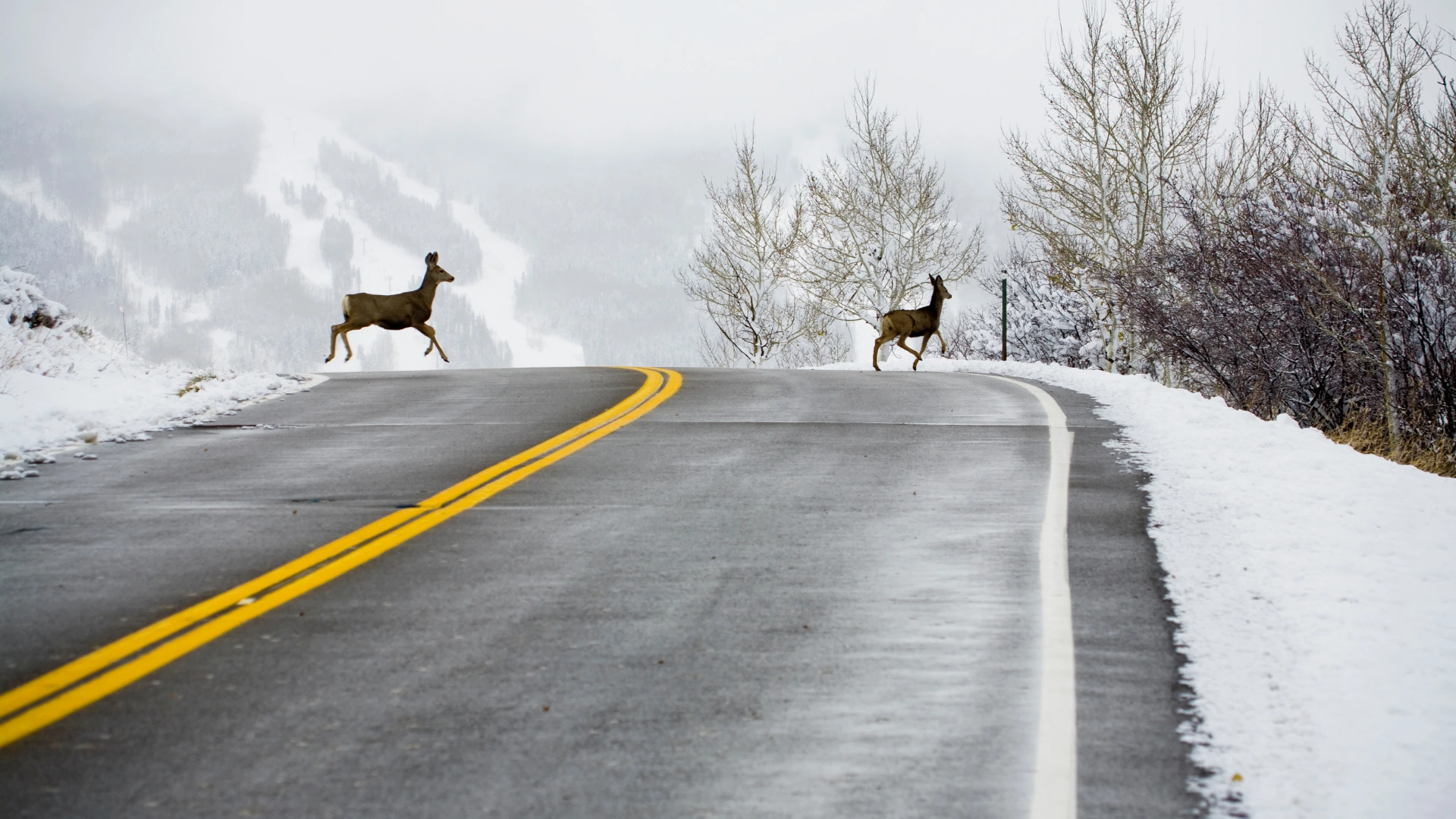
Collisions with wildlife happen more often than you might think, especially with deer. They can be unpredictable and are often hard to spot until it’s too late. In fact, most car accidents involving deer occur at night, when visibility is low, and deer are more active.
So, what should you do if your car is hit by a deer? Here’s what to do.
Key takeaways
If your car is hit by a deer, follow these steps:
The first thing to do is move your car (and yourself) out of harm’s way. If your vehicle is driveable, carefully pull over to the side of the road or onto the shoulder. Turn on your hazard lights. This alerts other drivers that something has happened and helps reduce the risk of another collision, especially if it’s dark.
The first person you should call after getting into a collision with a deer is 911 if anyone is hurt. So before you do anything else, take a moment to check yourself, your passengers, and anyone else involved for injuries.
Deer, like most wildlife, are unpredictable, especially when they’re injured, startled, or scared. Even if the deer looks still, it could move suddenly, so keep a safe distance. Either stay in your car or on the shoulder of the road and wait for authorities to handle the animal properly.
Depending on the severity of the accident, you may need to call emergency services. If you, your passengers, other drivers, or pedestrians are injured, calling 911 is your first priority.
You should also call 911 if your vehicle is stuck in a dangerous position on the road or if the deer poses a risk to other drivers. For example, if it’s blocking or stumbling into oncoming traffic, you need to call 911 immediately to prevent further accidents. If none of these apply, move on to the next step.
Once you know everyone is safe, it’s time to evaluate the damage. As long as it’s safe to do so, check the damage to your vehicle and whether it’s still drivable. If the damage appears to be mainly cosmetic, the car is still safely drivable, and the deer ran off, you can likely proceed to Step 7.
If the damage from the deer hitting your car appears to exceed $2,000 and/or if the deer is over a certain size, some provinces and municipalities require you to report the collision to police.
To do so, you likely do not need to call 911, as that is for emergencies involving injuries or immediate danger. Instead, look up the local police department’s non-emergency phone line or go to the nearest collision reporting centre.
If your car is too damaged or unsafe to drive, don’t risk it. Trying to drive your car if it’s too badly damaged can make things worse, both for your safety and your insurance claim.
If you have roadside assistance through your insurance provider or a roadside program, call their dedicated number. If you don’t, contact a local tow truck company. Either way, they’ll tow your vehicle to a safe location or directly to a repair shop.
Before you leave the scene (and so long as it’s safe to do so), take the time to document what happened. Take photos and videos of:
This documentation will be extremely useful if you decide to file an insurance claim. It’ll provide your insurer with a clear picture of what happened and can help speed up the process.
Most Canadian insurance providers require you to report any incident that causes damage to your vehicle, regardless of whether you intend to file a claim. Check the terms and conditions of your policy documents to confirm how long you have to report it, usually 7 to 30 days.
If your policy includes comprehensive coverage, damage from hitting a deer is typically covered (minus your deductible). Comprehensive coverage protects against things outside your control, such as falling trees, lightning, and collisions with wildlife.
If your car was hit by a deer and your car insurance policy includes comprehensive coverage, you’ll need to decide whether filing a claim makes sense.
If the repairs for the damage the deer did to your car cost less than your deductible, your insurance won’t cover anything because it only applies to costs above your deductible. In this case, you’ll move on to Step 10 and pay out of pocket.
On the other hand, if the repair costs exceed your deductible, filing a claim could be worthwhile. In which case, you’ll pay your deductible first, and your insurer will cover the remaining amount up to your policy limit. For example, if your deductible is $500 and repairs cost $1,200, you’ll pay $500, and your insurance will cover the remaining $700.
Once you’ve decided how to handle the costs, whether paying out of pocket or filing a claim, it’s time to arrange the repairs.
If you’re paying out of pocket, you can go ahead and schedule repairs right away with a mechanic or body shop you trust.
If you decide to file a claim, wait for your insurer to give you the green light before scheduling any repairs. They may have preferred repair shops or other requirements you need to follow in order to ensure the work is covered.
Hitting a deer can be stressful, but the right car insurance can help you recover without the financial strain. In most cases, damage from a collision with wildlife is covered under comprehensive coverage, not basic liability.
If you’re unsure whether you have it or don’t have it yet, now is the perfect time to review your policy and make sure you’re protected. At YouSet, we compare policies from top insurers in just minutes. Whether you’re shopping for your first car insurance policy or want to upgrade your coverage, we’ll help you find the right protection at the best price.
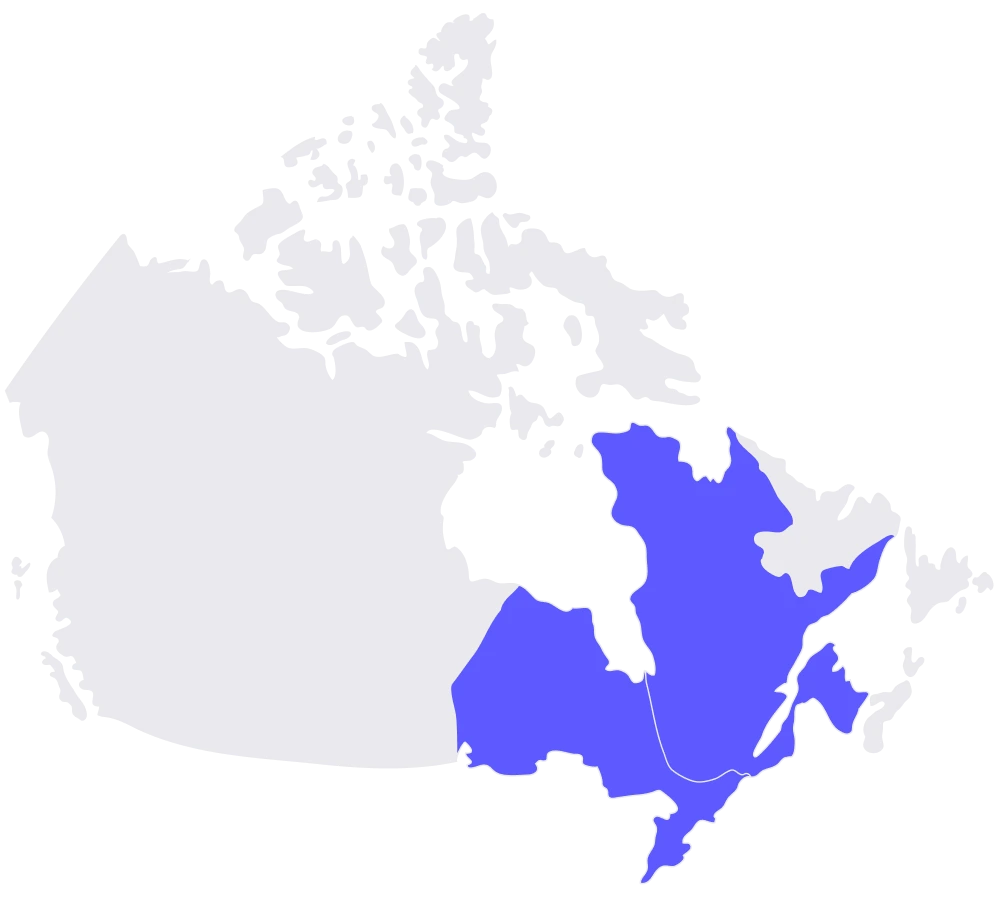
YouSet is a technology-driven insurance platform that simplifies buying and renewing insurance. Combining proprietary technology and the support of AMF and RIBO licensed brokers, we’re making it faster and easier to buy home and car insurance online from top insurers for less.





Get the best price year after year with price alerts at renewal. We’ll even re-shop to find you a better deal.