Car insurance


Is it time to renew your home or car insurance? If it came in at a higher price than last year, you’re not alone. The reality is that in 2026, moderate insurance premium increases are relatively common.
In fact, according to Statistics Canada, Canadians paid more for insurance year over year, with home insurance premiums up 6.8% and car insurance premiums up 7.3%. These increases usually come down to one of two main reasons: changes to your personal circumstances or external factors outside your control.
That said, a higher premium doesn’t mean you’re out of options. Start by reviewing your coverage and deductibles, checking for discounts, and bundling policies. Technology-driven insurance platforms, like YouSet, will also help you combat rising costs, with algorithms that automatically compare multiple options, apply discounts, and reshop for you at renewal.
In this article, we’ll break down why insurance prices go up in Canada and what you can realistically do about it.
Key takeaways
Home and car insurance premiums can increase due to changes in your personal situation or broader factors outside your control, even if nothing about you has changed. Common reasons insurance costs increase in Canada include:
Insurance premiums aren’t set randomly. Insurers use dozens of data points about you, your home, and your car to calculate your premium. Think of it like a formula: each piece of information is assigned a “weight” based on how strongly it affects the claims risk.
When one or more of these factors change (even slightly), your overall risk profile can shift, sometimes leading to a higher (or lower!) premium. Some of the most common personal factors that affect insurance costs include:
Did you move this year? Changing your address can affect your insurance premium because insurers evaluate risk by neighbourhood, not just city. Even a change in postal code can affect how insurers evaluate factors like crime rates, traffic density, and the frequency of claims in your area.
Did you file a claim in the past year? If you did, that claim is now on your insurance record and will be for several years. Depending on whether you were at fault and the nature of the claim, insurers may view you as a higher risk, which can lead to higher premiums.
Late or missed payments can negatively affect your insurance profile, as this signifies financial risk. Multiple missed payments can lead to policy cancellation, which may make it harder to find coverage later or require you to pay your premium upfront for the entire year.
Modifying your policy can affect how much you pay if it affects how much risk you take on versus your insurer. Adding coverage, increasing limits, or lowering your deductible can raise your premium, while removing coverage, lowering limits, or choosing a higher deductible can reduce your cost (though this usually means more out-of-pocket costs if you need to make a claim).
Insurers assess the severity, frequency, and recency of your driving violations when determining the price you pay for car insurance. While minor infractions can have an impact, it’s major violations, such as a DUI or excessive speeding, that typically lead to the largest premium increases.
Changes to your vehicle can affect insurance costs by altering its value, repair costs, theft risk, and safety profile. Newer or higher-value cars and performance upgrades tend to increase premiums, while added safety and anti-theft devices may reduce them.
Any changes to the drivers listed on a policy can significantly affect insurance costs. For example, if you added a younger or less experienced occasional driver to your policy this year, that might have increased your premium, as teens and new drivers are statistically seen as higher risk.
Changing how you use your home can directly affect your insurance premiums, as it changes the level of risk the insurance company is taking on. Activities like running a home business or renting out part (or all) of your home usually require additional endorsements or specialized coverage, and can often increase premiums.
Major renovations, like adding square footage or high-end kitchens, can increase your premium by raising the cost to repair or rebuild your home. Meanwhile, upgrades that reduce risk, like replacing knob and tube wiring, can sometimes actually help decrease it.
Adding home security features can lower your insurance costs by reducing the likelihood or severity of claims. Monitored alarm systems, fire protection, and smart sensors often qualify for discounts (sometimes up to 15%) on home insurance premiums.
If nothing about you, your home, or your car has changed in the last year, rising insurance costs may be driven by factors outside of your control.
“Even when a policyholder’s situation stays the same, insurers may occasionally make broad, systemic adjustments based on claims trends, economic conditions, and regional risk data,” explains Channelle Cote, an AMF- and RIBO-licensed insurance broker at YouSet. “In other words, all policyholders may be affected.”
These external factors can include:
Insurance coverage is based on replacement cost (the amount it would take to rebuild or repair your home or vehicle, not its current market value). As building materials, labour, and vehicle parts become more expensive due to inflation, supply chain issues, or tariffs, insurers raise premiums to cover higher claim payouts.
Insurers use postal code data to assess risk, meaning any changes in crime rates, traffic density, or weather patterns can affect premiums even if you haven’t moved.
More frequent and severe weather events lead to higher claim volumes and larger payouts, which can drive up insurance costs overall. In fact, severe weather in Canada caused more than $2.4 billion in insured losses in 2025 alone. As a result, insurers may raise premiums, tighten underwriting rules, or limit coverage, especially in higher-risk areas.
Auto theft is a crisis in Canada. As outlined by the Insurance Bureau of Canada, “In Ontario alone, auto theft claims costs increased by 524% between 2018 and 2023, surpassing $1 billion.” These rising auto theft rates increase insurance costs for everyone, particularly for commonly stolen models and in high-theft areas.
In Canada, home and car insurers pool premiums from all policyholders to pay claims. However, since claims are becoming more expensive for insurers, premiums can rise for everyone. Here’s why, according to a 2024 Statistics Canada study, “Higher expenses driven by the aforementioned claims costs have created a need to increase revenues to offset higher risks and reduce the likelihood of losses.”
In Ontario, car insurers must get approval before changing the rates they use to calculate premiums. The Financial Services Regulatory Authority of Ontario (FSRA) states that this process helps “ensure rates are fair and reasonable, not excessive for consumers.” That said, when insurers’ approved rates rise, car insurance premiums in Ontario may also increase.
Inflation raises the cost of replacements, repairs, and labour for both home and auto insurance claims. As claim costs increase, insurers raise premiums to keep pace with higher expected payouts.
Insurers sometimes update how they assess risk or price policies based on new data or claim trends, which can affect premiums even though nothing about your situation has changed.
Rising insurance costs don’t always mean you’re stuck paying more. There are ways to get cheaper insurance and make sure you’re still getting the best value for your coverage. Here’s what you can do to keep your premium in check:
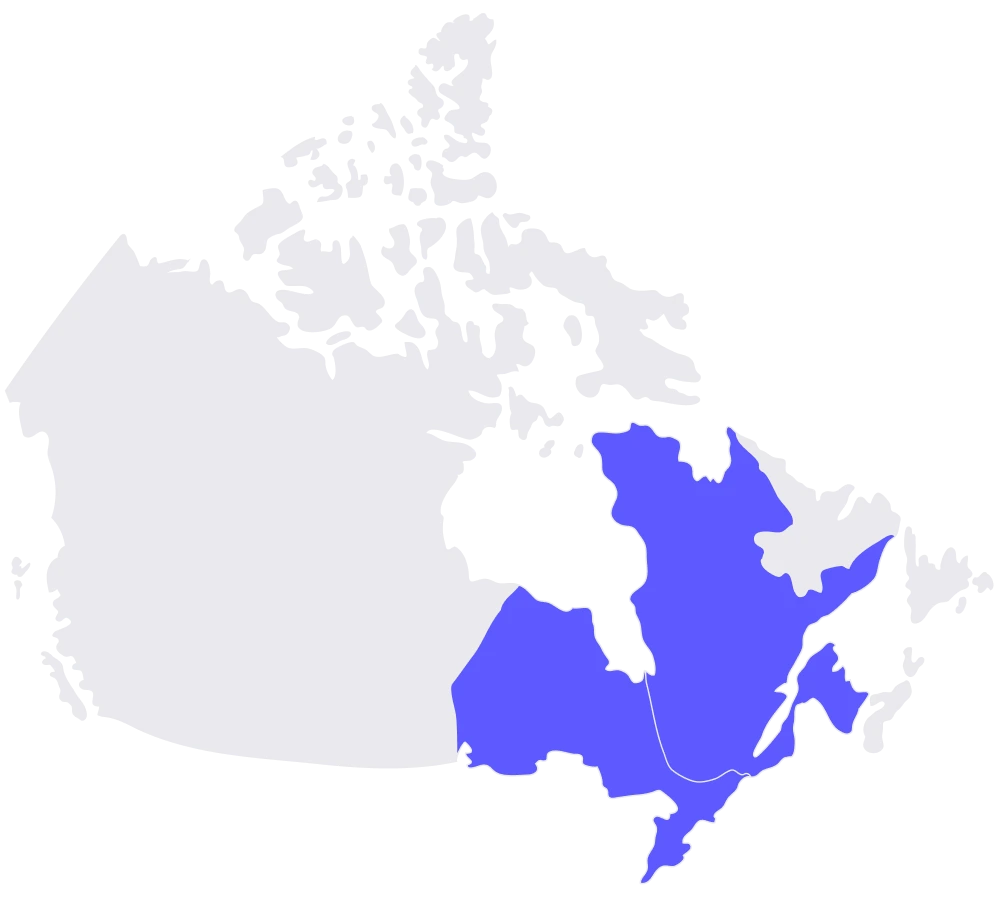
YouSet is a technology-driven insurance platform that simplifies buying and renewing insurance. Combining proprietary technology and the support of AMF and RIBO licensed brokers, we’re making it faster and easier to buy home and car insurance online from top insurers for less.





Get the best price year after year with price alerts at renewal. We’ll even re-shop to find you a better deal.