Car insurance


From your Netflix subscription to your gym membership, many of the services you rely on are set to auto-renew by default. But when it comes to your home and car insurance policies, does the same apply? Will they automatically renew?
The short answer is yes, they can. However, whether your specific policy will or not depends on the terms outlined in your insurance agreement, so it’s important to review your policy documents.
In the meantime, this article will provide a general overview of what to expect and offer tips on managing your renewal to ensure you get the best price on insurance for your car, home, condo, or rental unit.
Key takeaways
Home and car insurance policies can renew automatically to prevent your coverage from lapsing, but whether or not it renews automatically will be outlined in the terms and conditions of your original policy. With automatic renewal, your provider must notify you at least 30 days in advance, giving you the time to review the proposed new terms and cost.
Yes, home and car insurance policies can renew automatically to prevent your coverage from lapsing. This is particularly important when insurance is mandatory, such as car insurance for drivers.
Whether or not your policy renews automatically will be outlined in the terms and conditions of your original policy. In many cases, when you first sign up for insurance, the policy will include a clause granting the insurer permission to automatically renew your policy unless you inform them otherwise. This consent is typically implied by your acceptance of the policy’s terms.
Even with automatic renewal, your provider must notify you at least 30 days in advance of the renewal, giving you the time and opportunity to review the proposed new terms and price, adjust your coverage, or submit a non-renewal request if you decide not to renew.
The insurance renewal process happens in stages, giving you time to review your updated policy and pricing, compare quotes from other providers, and make an informed decision that aligns with your needs and budget for the year ahead. While the exact steps and timelines may vary by insurer, the following breakdown provides a general overview of what to expect.
Your provider will send you a renewal notice by email or mail up to 60 days before your policy expires, but they are legally required to do so at least 30 days in advance. This document will outline your updated premium, coverage details, and any policy changes, giving you time to review your options before the policy is renewed.
Once you receive your renewal notice, take the time to carefully review its details. Check for any changes in your premium, coverage limits, deductibles, and policy terms.
If your premium has increased, look into the reasons behind the change. While factors like rising material costs, the increasing severity of natural disasters, and general inflation can all contribute, filing a claim, adding coverage, or moving to a new location are also known to influence your premium.
Even if your provider hasn’t made adjustments, your circumstances may have changed. Have you completed a major home renovation, purchased a new vehicle, or inherited a valuable heirloom? Has your budget or financial situation shifted?
If so, now’s the ideal time to check if you’re eligible for any new discounts, adjust your coverage limits, and compare alternative providers to ensure you’re getting the best price for the coverage you need.
Automatic renewals can make life easier, but they don’t always guarantee the best price. While YouSet ensures customers get the best deal with their current insurer or helps them re-shop with another provider, not all insurance companies can, or will, do the same.
In that case, it’s up to you to confirm whether your provider’s renewal price is truly the best available. Don’t overpay just because you think you don’t have time to check. With YouSet, our algorithms automatically compare multiple insurers and apply exclusive discounts to get you a quote at the best price in less than 4 minutes.
Don’t leave this step until the last minute. At a minimum, make your final decision a few business days before your renewal date. If you accept the renewal terms and price, and your provider offers automatic renewal, there’s likely nothing you need to do.
However, if you don’t plan to renew, you’ll need to notify your provider before the renewal date to prevent your policy from automatically renewing and being charged. You’ll also need to align the start of your new policy to ensure there’s no gap in coverage.
Yes, you can stop your insurance from renewing automatically. Whether your needs have changed, you’ve found a better price elsewhere, or simply want to switch providers, this choice is yours to make.
Typically, you can stop your policy from renewing automatically by logging into your account on your provider’s website or mobile app, where you’ll look for options such as “cancellation and non-renewal” or “disable auto-renewal.”This is generally how you stop your home and car insurance from renewing automatically.
Just remember, once you opt out, it’s up to you to ensure your insurance is renewed or replaced before your current policy expires. If you don’t secure new coverage and your old policy ends, you’ll be left uninsured and financially vulnerable.
Moreover, when it comes to mandatory types of insurance like car insurance, driving without it could result in fines, penalties, or even license suspension. While it’s possible to stop automatic renewal, it requires careful planning and timely action to avoid any gaps in coverage.
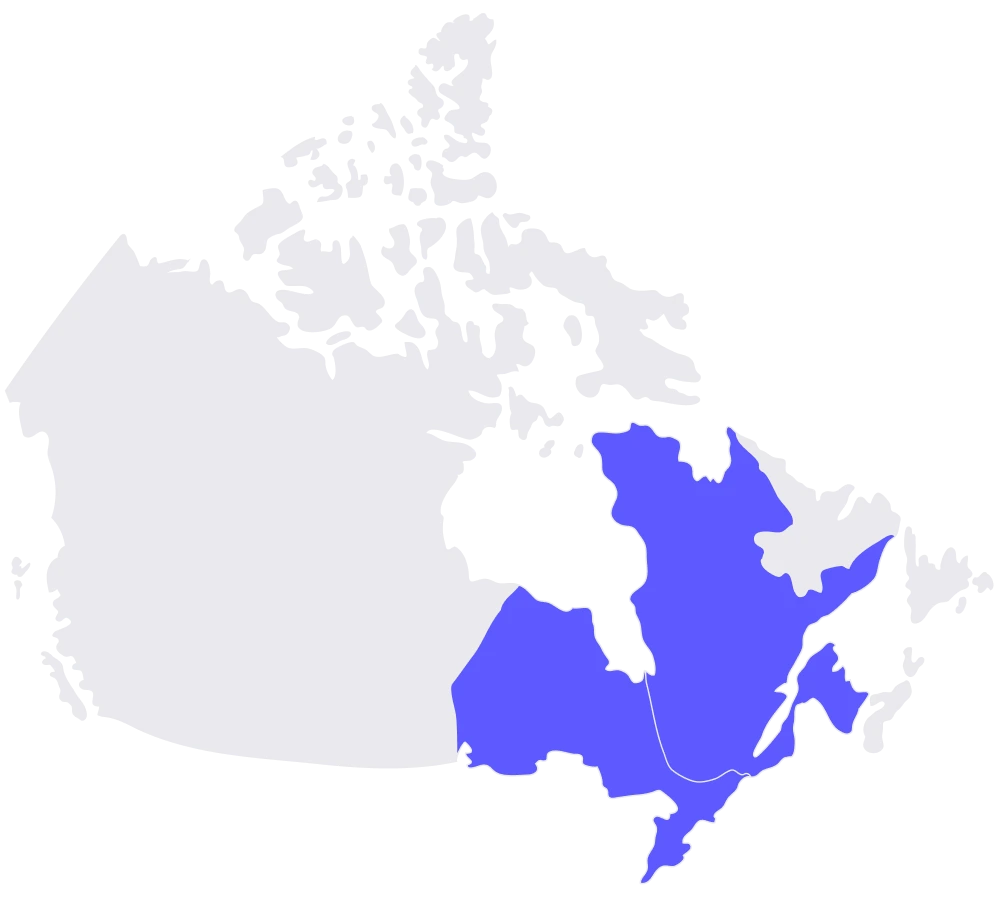
YouSet is a technology-driven insurance platform that simplifies buying and renewing insurance. Combining proprietary technology and the support of AMF and RIBO licensed brokers, we’re making it faster and easier to buy home and car insurance online from top insurers for less.





Buying insurance doesn’t have to be so hard. Just ask YouSet’s 400,000+ users.
Great communication, and was easily able to get a good quote.
Very fast and easy. Completed my home insurance purchase in less than 24h.
Fast and efficient. Followed up with me via text and was also available by phone if I wanted to call.
I had already looked for my insurance renewal and thought I had found a good deal. YouSet found an equivalent solution at $400 cheaper.
Efficient, responsive broker that gets you good rates, instead of waiting forever to talk to someone.
I’m always saving money with these guys. They find the best prices on the market.
Easy to buy car insurance. Perfect for a busy person like me.