Car insurance

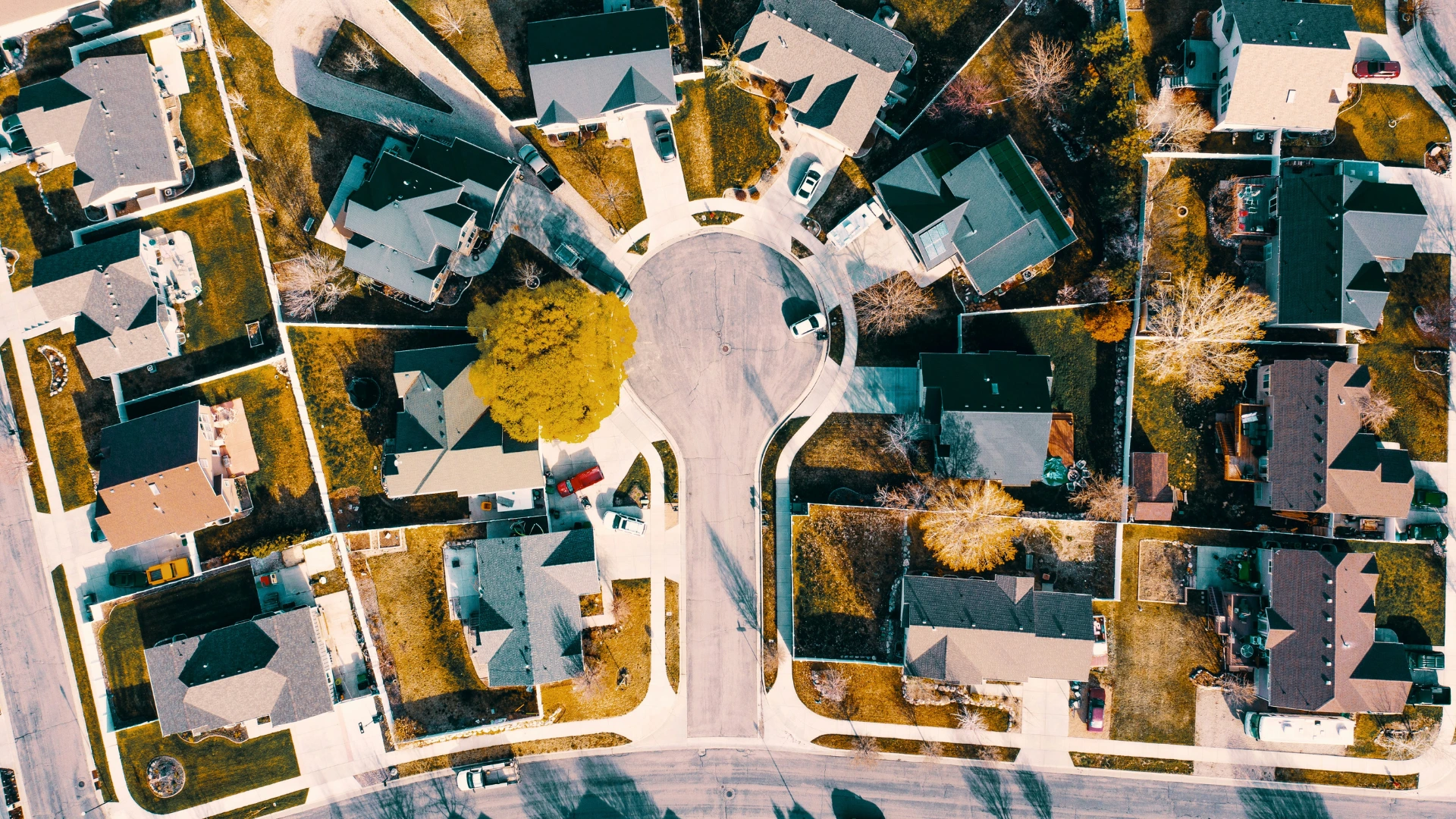
When getting a home insurance quote, one of the questions you’re asked is what material your roof is made of. It might seem like an easy answer, but many homeowners aren’t actually sure until they take a closer look.
The material and age of your roof play an important role in how insurers calculate your premium and assess risk. Since your roof is the first line of defence against weather like heavy rain, hail, and wind, it directly impacts your coverage, potential repair costs, and how easy it is to replace.
More durable materials like metal or slate can help lower your premium, while older or more vulnerable roofs, like aging shingles or wood, can increase it. Newer roofs may even qualify for discounts, while older ones can lead to higher costs or more limited coverage.
In this blog, you’ll learn how to identify what your roof is made of and get familiar with the most common roofing materials on homes across Canada.
Key takeaways
The most common types of roofs in Canada include asphalt, metal, clay or slate, rubber tar or gravel, and wood. You can check the material of your roof by:
In most cases, you can easily identify the material of your roof with a few quick checks. Here’s how:
Stand back and look at your roof from multiple angles. Look for distinctive shapes, patterns, or seams that repeat across the surface. A few clues that can help you identify the material:
If it’s hard to see clearly, try grabbing a pair of binoculars or zooming in with your phone camera.
If you can safely get a closer look (ex. from a ladder), pay attention to how the material looks and feels. You’re looking for texture and thickness:
Take a moment to listen to how the rain falls on your roof from both inside and outside your home, if possible. Different materials affect the way sound travels:
If you bought your home and had it inspected, you might already have the answer. Your home inspection and purchase documents often include:
This is usually the most reliable way to confirm what your roof is made of without guessing.
Roofs come in various materials, each with its own look, lifespan, and durability. Here are five of the most common types of roofs you’ll find on homes across Canada:
Asphalt shingles are the most common roofing material in North America, especially in residential homes. They’re made from a fibreglass base coated with asphalt and UV-resistant granules, which give them colour and weather protection. They’re affordable, easy to install, and hold up well in a range of climates. However, they only have a lifespan of about 15 to 30 years.
Clay and slate tiles are both durable, higher-end roofing materials that can last anywhere between 50 and 100 years. Clay tiles are made from natural baked clay, and slate is a natural stone cut into thin tiles. They are both highly resistant to fire, rot, and harsh weather, but they’re heavier and more expensive than most other roofing materials.
Metal is a durable, long-lasting material, often made from steel or aluminum. It’s designed to withstand harsh Canadian weather, including heavy snow, rain, and wind. Metal roofs are more expensive to install upfront, but they last longer than most other roofing materials.
Rubber and tar-and-gravel are popular, durable options for flat or low-slope roofs. They’re made from materials like EPDM (a synthetic rubber membrane), modified bitumen (tar layers), or built-up roofing (layers of tar and gravel) to create a continuous, waterproof surface rather than individual shingles or tiles.
Rubber roofing is lightweight, offers better UV resistance, and is typically longer-lasting, while tar-and-gravel roofing offers better fire resistance, durability, and is more cost-effective.
Wood shingles and shakes are natural roofing materials, typically made from cedar. Shingles are cut for a more uniform look, whereas shakes are split for a thicker, more rustic appearance. They give your roof a warm, natural aesthetic and decent insulation, but require more maintenance than other roofing types. They are less common in many parts of Canada because of fire and moisture concerns.
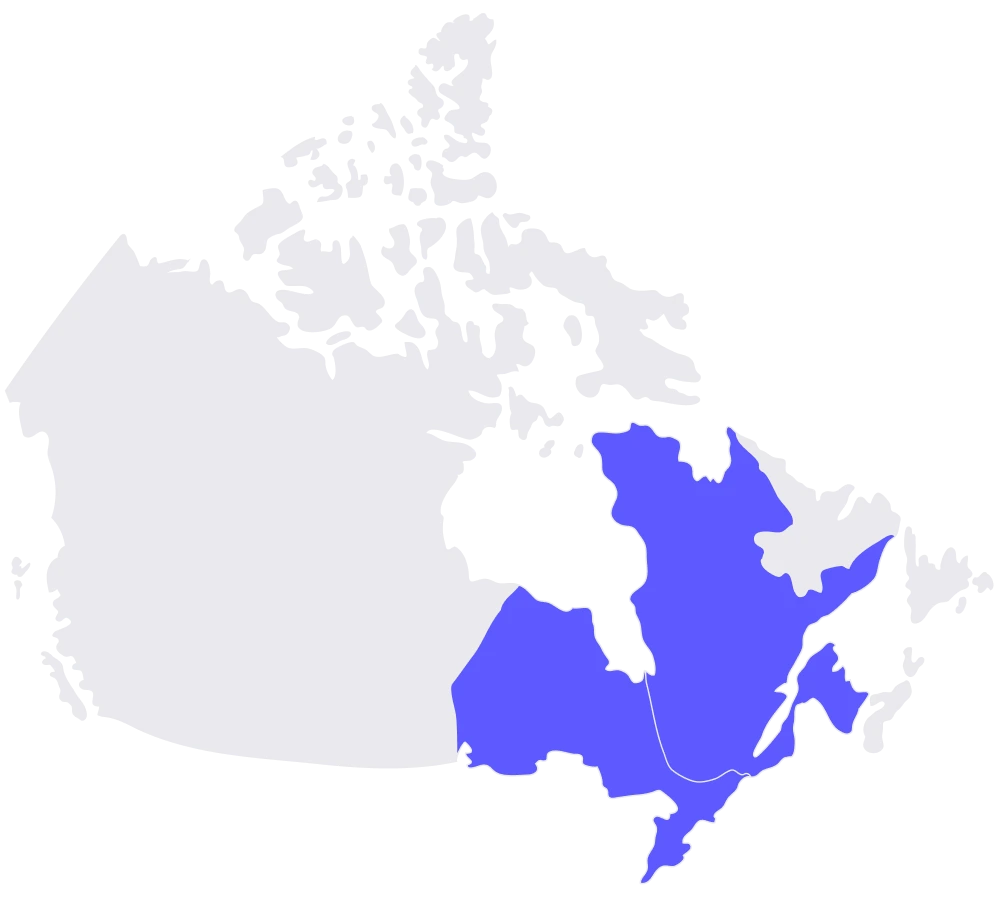
YouSet is a technology-driven insurance platform that simplifies buying and renewing insurance. Combining proprietary technology and the support of AMF and RIBO licensed brokers, we’re making it faster and easier to buy home and car insurance online from top insurers for less.





Our algorithms do the hard work comparing policies and prices from Canada’s top providers.