Car insurance

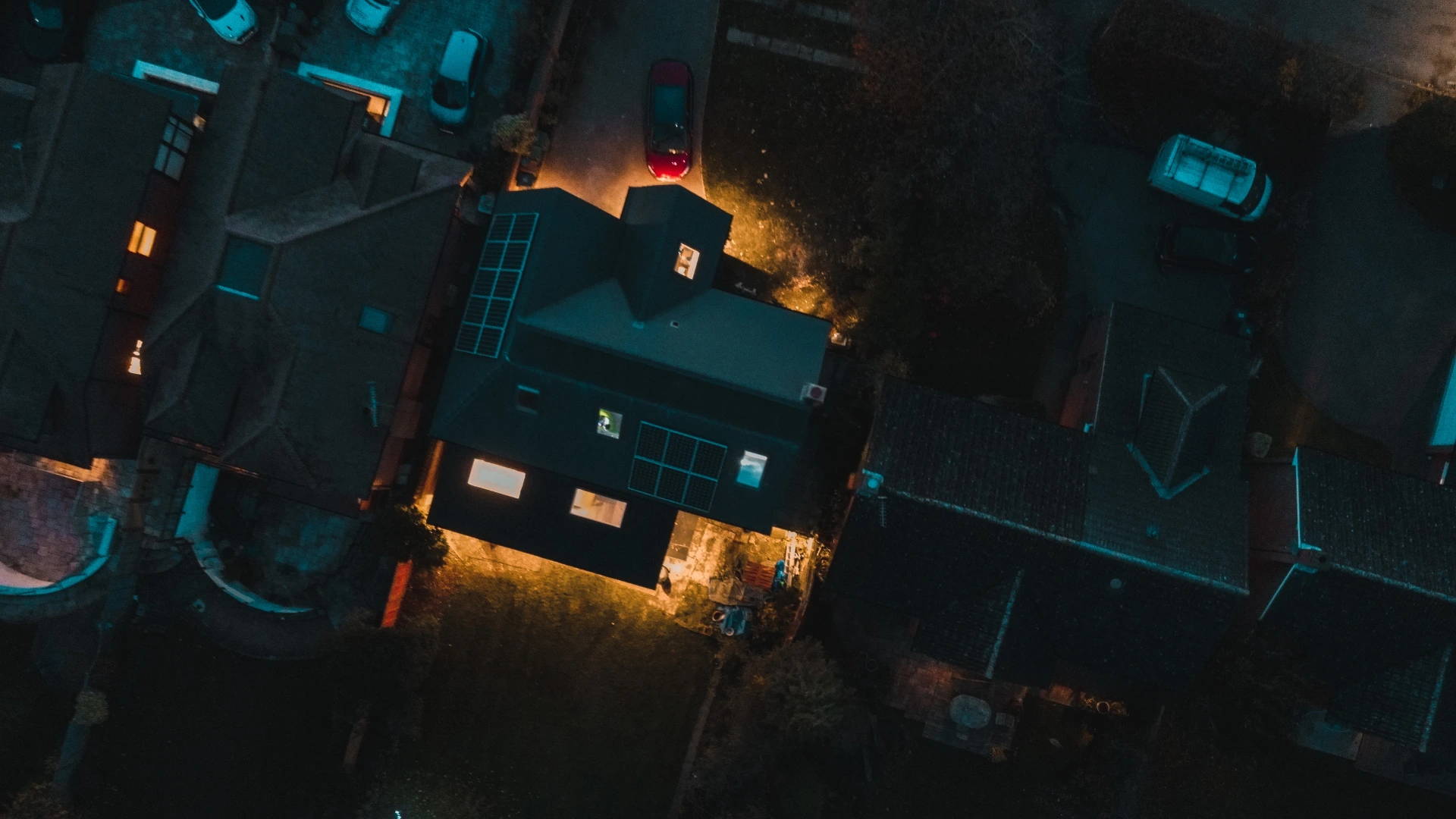
Burglaries are a very real concern for homeowners, and if you’re wondering how to keep your home safe, you’re not alone. Burglars are opportunistic. They look for easy targets where they can get in and out quickly without being noticed.
Knowing what makes a house attractive to burglars, and how to make yours less appealing, is the first step in keeping your family and belongings safe. It doesn’t require expensive upgrades overnight; even small changes can make a big difference and help give you peace of mind.
In this article, we will cover the tactics burglars use, the signs they look for, and the best strategies to deter them from targeting your home.
Key takeaways
To reduce the risk of a break-in and better protect your home, consider the following tips and strategies:
A house burglar is someone who enters a home illegally with the intent to steal belongings. They are called burglars because of the origin of the word itself, stemming from Medieval Latin, specifically burgāre, meaning to thieve, and from Latin burgus, meaning castle or fortress. Burglaries can happen anywhere, even in the safest of neighbourhoods. Unlike robbery, which typically involves some kind of confrontation, burglary usually occurs when no one is present. Burglary is also different from a home invasion, which involves force and intimidation with the home’s residents inside. For reference, here’s a brief overview of the differences:
Understanding these distinctions is important as burglars tend to avoid confrontation and prefer quick, quiet access to valuables.
Burglars constantly weigh risk versus reward. They want valuables, but they don’t want to get caught. That means that they’re drawn to homes that seem easy to access, unoccupied, poorly lit, or lacking visible security measures. Essentially, they are looking for the path of least resistance. More specifically, here’s a list of things burglars look for when casing a house:
By understanding what burglars look for in a target home, you can take the appropriate steps to mitigate risks and keep your family and home safe.
The goal is to make your home look like more trouble than it’s worth. Burglars want quick wins, not drawn-out risks. By making your home appear harder to break into, you will make it less attractive to burglars, making it more likely that they’ll move on to an easier target. Ways to deter burglars include:
Burglars may mark homes that appear vulnerable or easy to access, either for their own reference or to signal to partners that the property is an easy target. These markings are usually small and subtle so that homeowners won’t become suspicious or even recognize they are there. While not every home is marked, some criminals use these discreet signs as part of their planning.
While some of these may seem normal in the context of a neighbourhood, if they reappear or if you see more than one, then it may be cause for concern.
Burglars aim to fly under the radar and avoid confrontation, so timing is everything. While it’s a common belief that burglars strike at night, the fact is that many break-ins actually happen in broad daylight, when homeowners are at work or school. High-risk times include:
Social media can reveal a lot about our daily lives and routines. Burglars sometimes check social media for clues. Don’t make it easy for them:
Burglars often watch a house for days, sometimes weeks, before making a move. They pay attention to routines, looking for consistent times when no one is around. Even subtle clues like piled-up mail, empty driveways, or dark houses at night can signal an opportunity. They’re looking for a safe window to break in. Don’t give them one.
Even if you’re gone to work throughout the week or away on vacation for an extended period, you can make your home appear occupied. The best home burglar deterrents include:
Most burglars aren’t tearing down walls or using elaborate tools to break in. Instead, they look for the weakest, easiest entry point. Unlocked doors and windows are among the most common. Burglars won’t just stop at the front door, though. Always check your back and side entrances, garage doors, and even second-story windows. Burglars usually break in by:
Making your doors and windows harder to break into dramatically lowers the chance of a successful burglary. There are many houses with vulnerable entry points, so if yours poses difficulty, chances are that a burglar will simply move on, as it’s not worth the time and risk spent trying to break in. Practical upgrades that can make it harder for burglars to get into your home include:
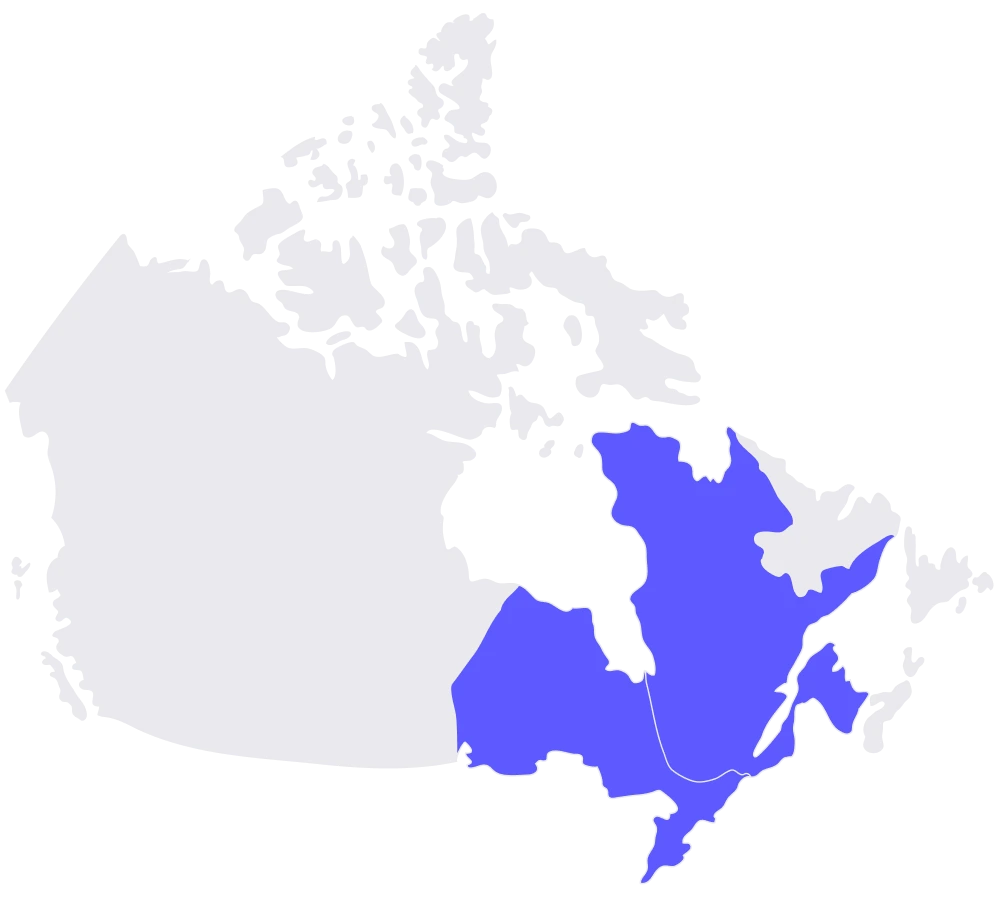
YouSet is a technology-driven insurance platform that simplifies buying and renewing insurance. Combining proprietary technology and the support of AMF and RIBO licensed brokers, we’re making it faster and easier to buy home and car insurance online from top insurers for less.





Our algorithms do the hard work comparing policies and prices from Canada’s top providers.