Car insurance



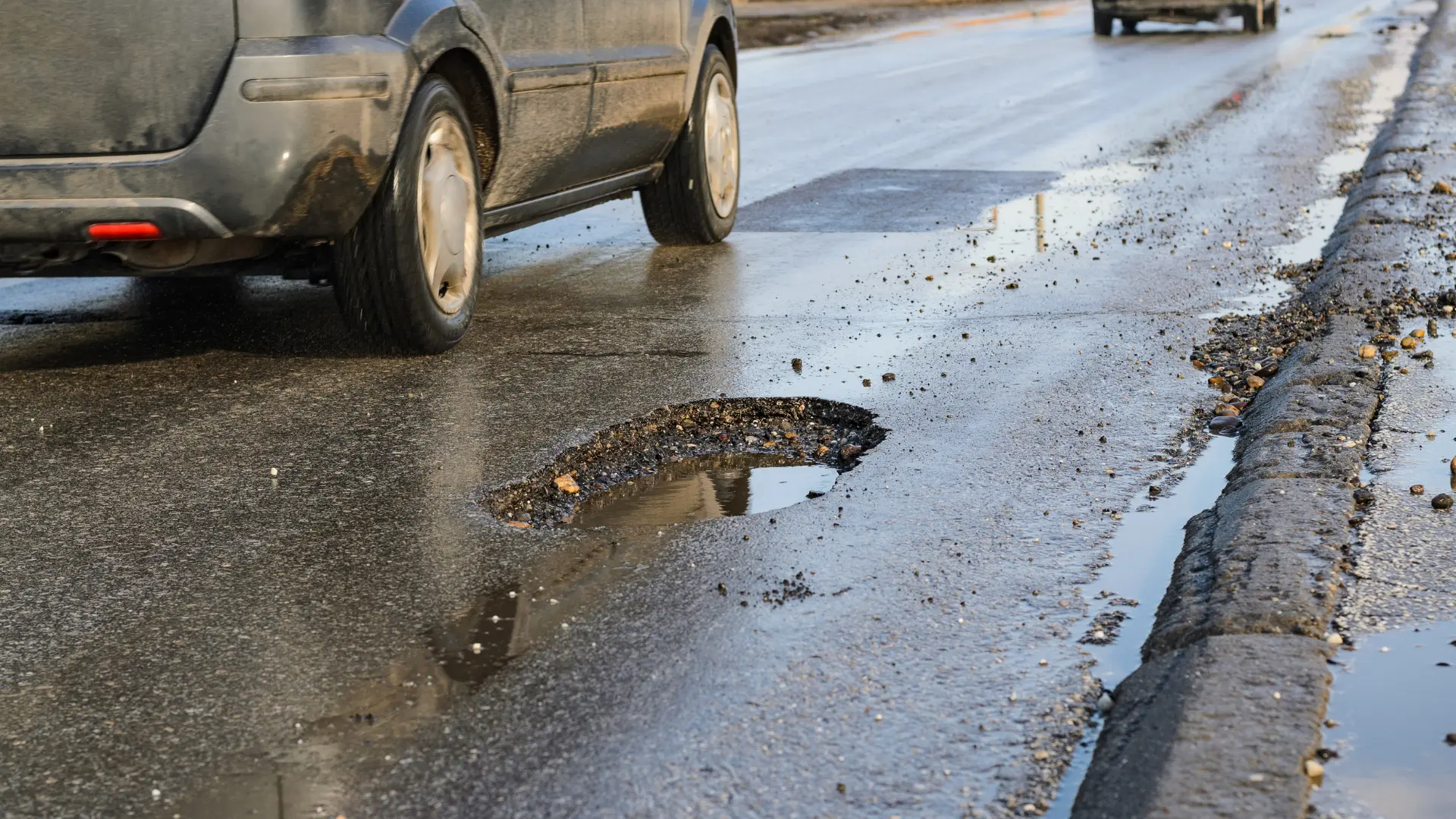
Hitting a pothole can wreck more than your mood; it can cause serious damage to your car and potentially to your wallet. Acting quickly and making the right choices can mean the difference between a minor inconvenience and a major headache, not to mention saving you time, stress, and money.
So, what should you do after hitting a pothole? In this article, we’ll go over everything you need to avoid getting flustered, from assessing the damage to getting the help you need, including how your car insurance fits into the process.
Key takeaways
If you hit a pothole, here’s what to do next:
Finding a safe place to pull over should always be the first step. Whether assessing your car or taking a deep breath, removing yourself from the road will keep you and other drivers safe. Turn on your hazard lights and check for any obvious signs of damage. Here are some ways to check for damage after hitting a pothole:
While you’re at it, and so long as it’s safe to do so, take a few photos of the pothole itself as well as any visible damage to your car. This can help with both insurance claims and reporting the pothole. If your car feels okay to drive, you can likely skip calling for help and head home. That said, driving on a damaged tire or suspension can make any existing damage worse, so if you’re unsure or notice any issues, call roadside assistance. You have a few options for who to call for roadside assistance:
Some types of damage, like alignment issues, suspension problems, or hairline cracks in a wheel, aren’t always visible right away but can get worse over time. So, even if everything seems fine, it’s smart to have your car inspected after hitting a pothole. Go to your usual mechanic or ask your insurance provider to recommend a shop or two. Make sure to ask for a written estimate, which most mechanics will provide for free. If repairs are purely cosmetic and don’t affect safety or driveability, you can decide whether to fix them now or later. While waiting for the estimate, you should also check your insurance deductible:
Although car insurance does cover pothole damage, you must have collision coverage to be eligible for coverage. This is because hitting a pothole is generally considered a single-vehicle collision. Check your policy documents or your online account to confirm whether or not you have this coverage.
If you do, and the repair costs are much higher than your deductible, contact your insurance provider as soon as possible. They can guide you through the claims process, confirm your coverage, and inform you of any necessary proof or documents required. Most policies do have a deadline for reporting damage, so it’s important to act quickly.
Also, if you choose to file a claim, it’s usually best to get approval from your car insurance provider before moving forward on any repairs.
After taking care of your car, consider reporting the pothole to your city or municipality. Many cities let you report a pothole online or through a dedicated app. To report a pothole, you will likely need to provide:
In some cases, you may be able to file a claim for damage from a pothole with your municipality, though these claims have varying success rates and aren’t always approved. Even if your claim isn’t approved, though, reporting the pothole is still important as it helps make the roads safer for everyone.
If you’re unsure where or how to report a pothole in your area, here are links to resources for some of Canada’s major cities.
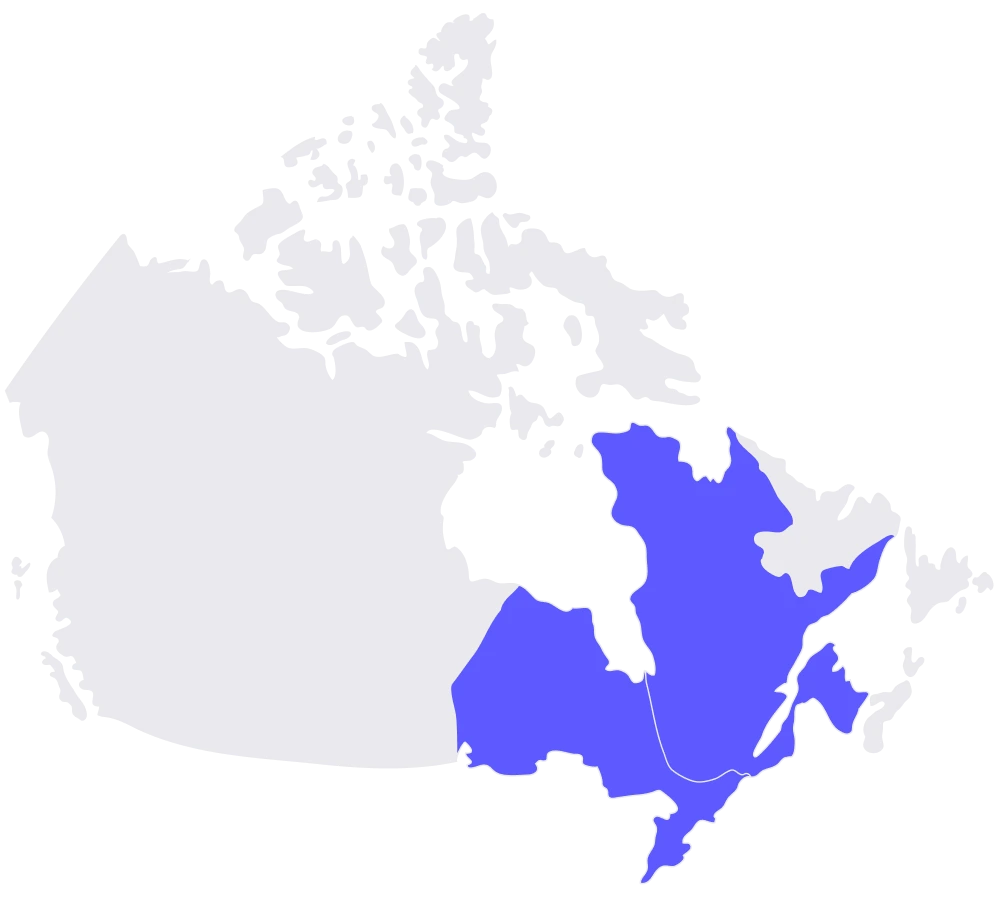
YouSet is a technology-driven insurance platform that simplifies buying and renewing insurance. Combining proprietary technology and the support of AMF and RIBO licensed brokers, we’re making it faster and easier to buy home and car insurance online from top insurers for less.





Get the best price year after year with price alerts at renewal. We’ll even re-shop to find you a better deal.