Car insurance

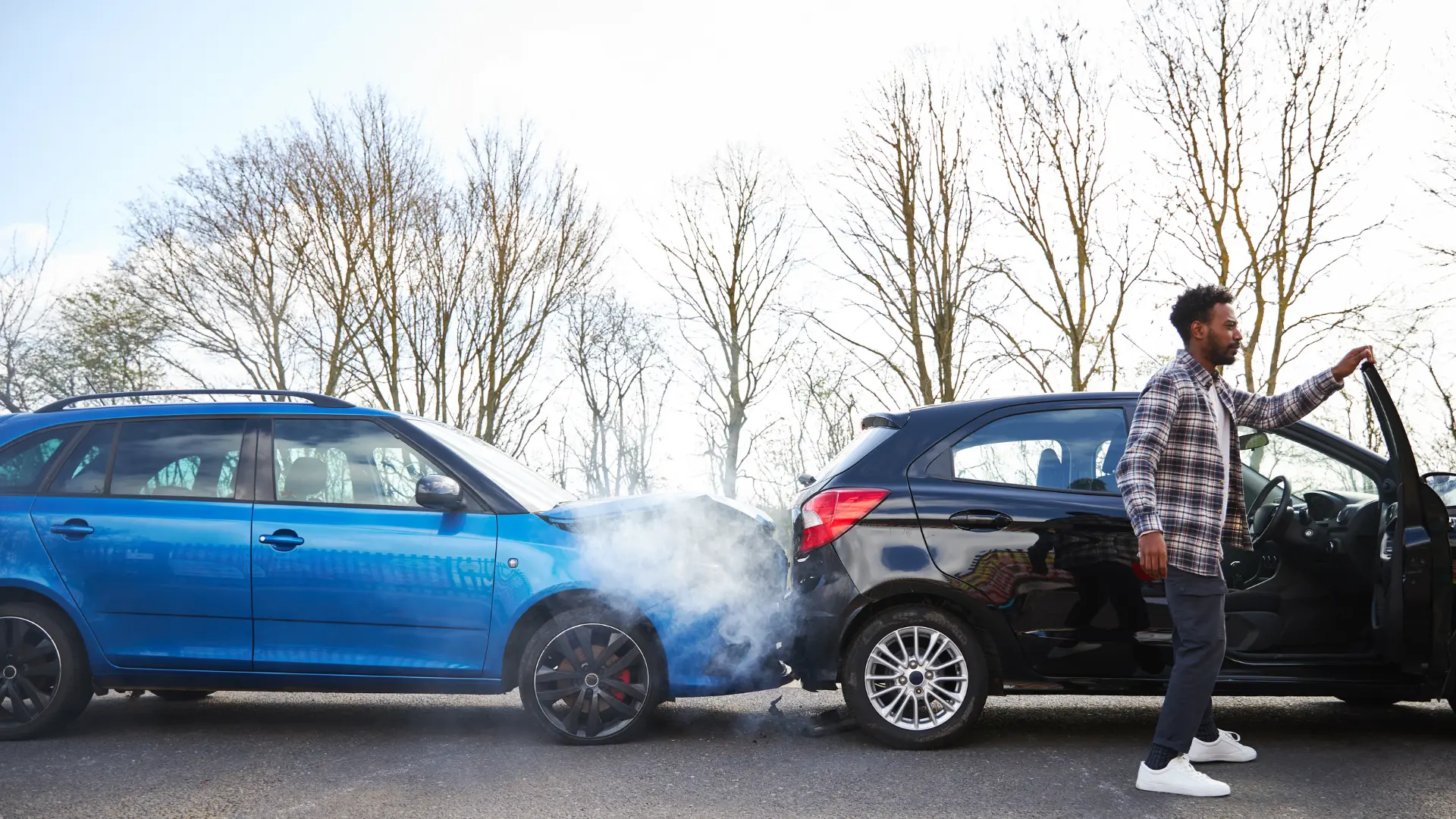
If you’re here, chances are you’ve been in a minor collision. However minor, a car accident can be a stressful experience, especially if it’s your first time in this situation.
But don’t worry, this guide will walk you through everything you need to do after a minor car accident in Quebec, along with some key answers to questions about reporting the accident, insurance coverage, and how it might affect your premiums.
Key takeaways
Follow these steps if you’ve been in a minor car accident in Quebec:
If you’ve just been in a minor car accident in Quebec, the first thing to do is stay calm. Your main priorities should be ensuring everyone’s safety, collecting the correct information, and reporting the incident properly – including to your car insurance provider. In fact, here’s a step-by-step breakdown of what to do:
Start by making sure you’re okay. If you are uninjured, check on your passengers, then the other driver(s), and any pedestrians or witnesses nearby. Call 911 right away if anyone needs medical attention.
Look around for anything that could make the situation more dangerous, like leaking fluids, downed wires, or oncoming traffic. If there’s risk of further harm, take steps to stay safe and prevent additional incidents.
If your surroundings are clear and your vehicle is drivable, move it to the side of the road to avoid blocking traffic. If you can’t move it, turn on your hazard lights and set up warning triangles or cones around your car.
Take a few deep breaths before stepping out of your car, then do a quick damage check. Ask yourself:
In Quebec, you must call the police after a car accident if:
For minor accidents without injuries or significant damage, the police may not need to be called. In which case, it’s still best to check local laws for confirmation.
Collect the necessary information at the time of the incident to make filing your car insurance claim a lot easier down the line. The information you need to exchange with the other driver(s) includes the:
Even if the driver is not the owner of the vehicle, you still need to collect their information.
If any bystanders witnessed the incident, ask for their names and contact details. Their account could be helpful later, especially for insurance purposes or legal follow-ups.
Document the scene carefully. Write down the time, location, and weather conditions, then capture photos and videos of:
If the police weren’t called and the damage is minor, your next step is to complete a joint accident report. You can do this online through the Groupement des assureurs automobiles (GAA) website, or download and fill out the PDF version of the form.
In Quebec, you’re required to report all accidents to your insurer, even if the damage is minor or you intend to pay out of pocket. So, the final step is to contact the private insurance company you bought your car insurance from as soon as it’s safe to do so.
YouSet is a technology-driven insurance platform that simplifies buying and renewing insurance. Combining proprietary technology and the support of AMF and RIBO licensed brokers, we’re making it faster and easier to buy home and car insurance online from top insurers for less.



Get the best price year after year with price alerts at renewal. We’ll even re-shop to find you a better deal.