Car insurance

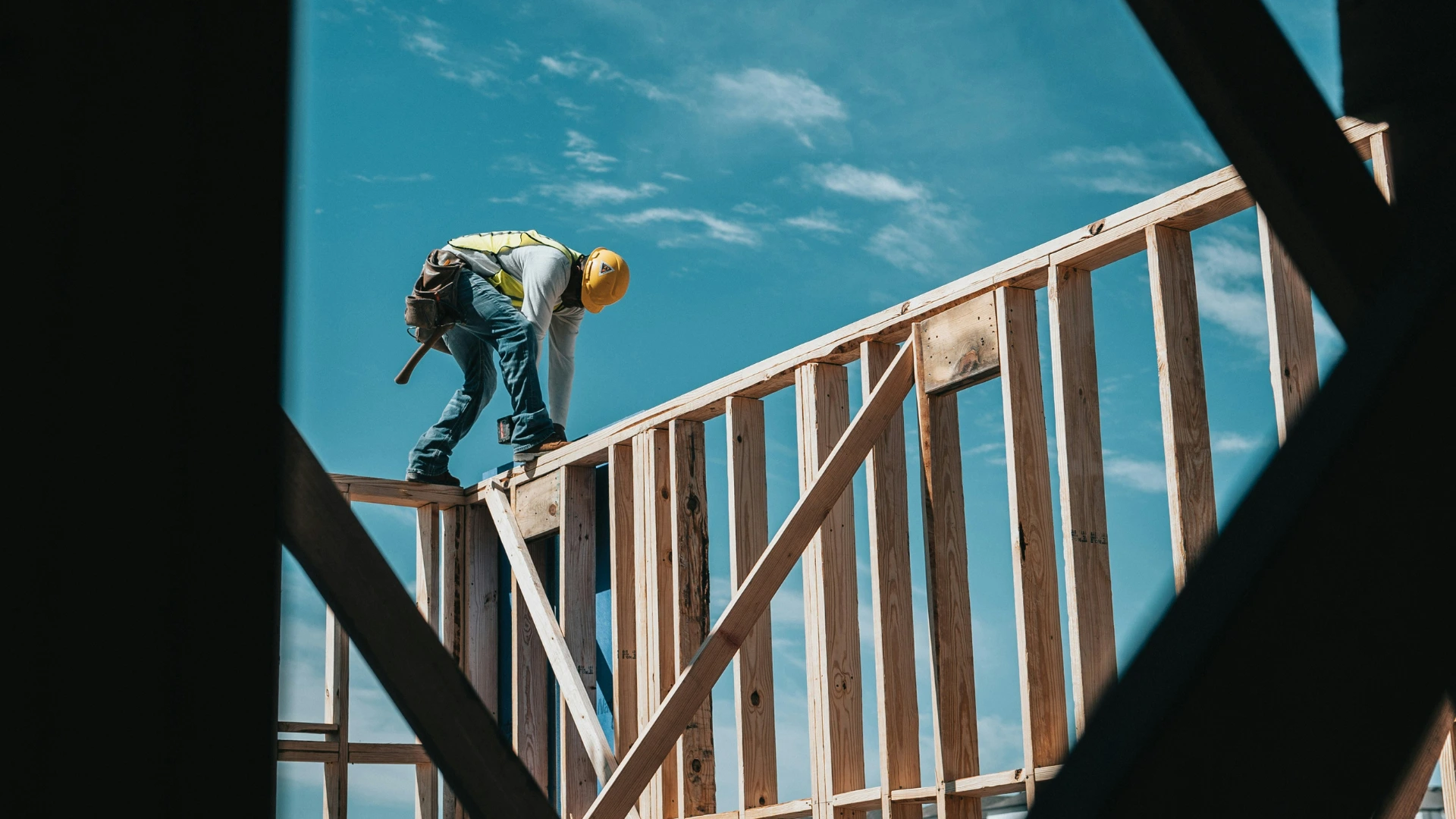
Brand new homes are often cheaper to insure, but not always. Many factors go into calculating the cost of home insurance for new builds, including your:
So, having a brand-new home can help, but that alone doesn’t guarantee lower insurance costs. For example, you might have bought a brand-new home with top-tier flood-prevention measures, modern plumbing, and energy-efficient features, all fully up to code. But if that home is located in a known flood zone or you have a history of missed insurance payments, your premiums could still be higher than expected.
In this blog, we’ll break down 5 things that can make brand new homes cheaper to insure, and 5 factors that can increase the cost.
Key takeaways
5 things that can make brand new homes cheaper to insure include:
New homes are built with modern materials, stricter construction standards, and updated systems. Here’s how these factors can make your brand new home cheaper to insure.
One of the biggest advantages of a brand-new home is that it’s built with new materials. Modern materials, from the roof to the foundation, are built to last and withstand the elements more than older ones.
For example, newer roofs are designed to better withstand harsh weather, such as heavy snow, wind, and rain, which lowers the risk of damage and, in turn, insurance claims. Most brand-new homes are also built with fire-resistant materials and reinforced structural elements that help prevent or limit damage in the first place.
Building codes have come a long way over the years, and today’s standards are much stricter, making newer homes safer, more reliable, and better equipped to prevent damage.
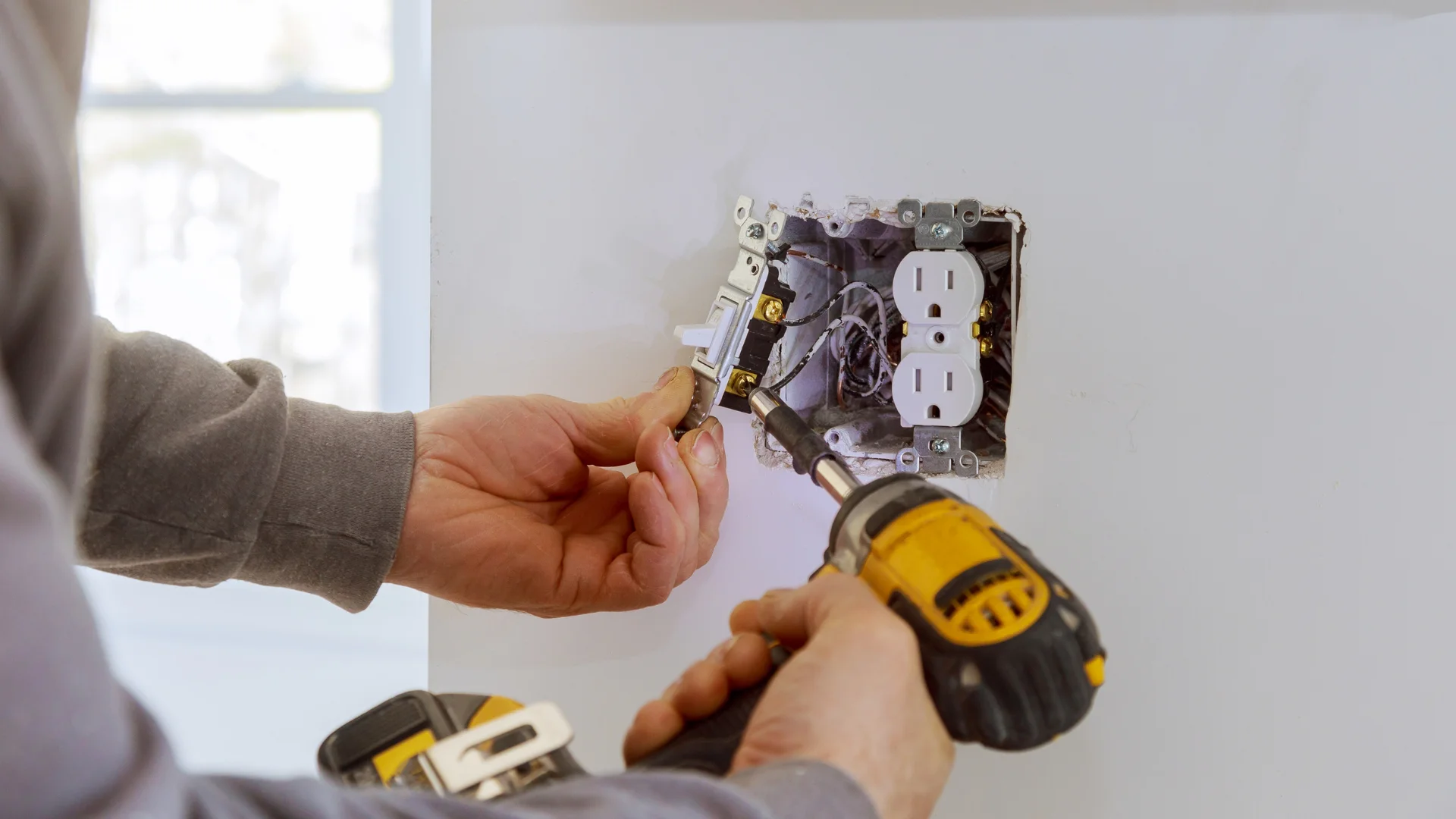
Modern homes typically include features such as carbon monoxide detectors and updated electrical systems with safer circuit breakers. These aren’t just nice-to-haves in a new home; they’re often required by current building codes and can help lower insurance premiums.
Older homes, on the other hand, may have been built before these regulations were in place. This can mean outdated wiring, fewer safety systems, and materials that pose a fire risk, all of which can drive up insurance costs.
Take electrical systems, for example. In the early to mid-1900s, many homes were built with knob and tube wiring. While it was standard at the time, it no longer meets modern safety requirements in Canada. As a result, homes with this type of wiring are considered higher risk, often leading to higher insurance premiums (or, in some cases, difficulty getting coverage at all).
Most newer builds are better equipped to prevent fire and water damage, the most common sources of home insurance claims.
Brand-new electrical systems are designed to meet the latest safety standards, with grounding and modern circuit breakers that reduce the risk of electrical fires.
For plumbing, newer homes use durable materials like PEX or copper piping instead of older materials like galvanized steel or polybutylene, which are more prone to leaks and corrosion.
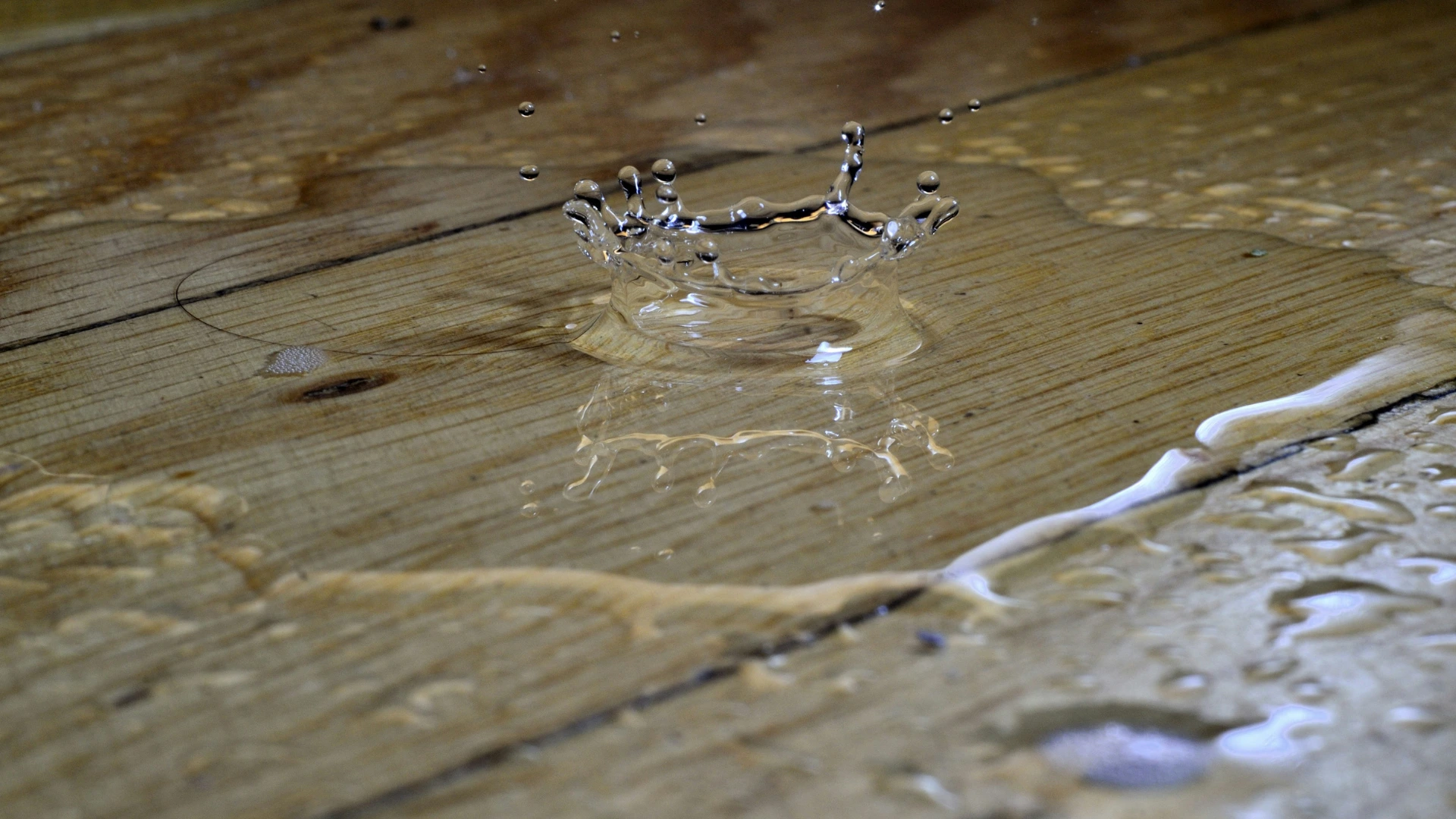
Many newer homes come with features designed to prevent water damage, such as sump pumps, foundation waterproofing, and improved drainage systems.
For example, in Ontario, sump pumps became a requirement for new homes in the early 2000s, with regulations further strengthened after 2017. As a result, most newer builds include sump pumps and improved flood protection measures, helping reduce the risk of water damage and, in turn, lowering insurance premiums.
Construction techniques have also evolved to better handle extreme weather and natural disasters, with stronger structural reinforcements and improved insulation.
New builds often include modern technology and energy-efficient upgrades that can both lower your utility bills and insurance risk. Features such as impact-resistant windows and improved insulation make homes more resilient to weather-related damage.
Smart home technology, such as security systems, water leak detectors, and monitored fire alarms, can alert homeowners to issues early.
“These features can reduce the severity of a claim, or prevent one entirely, which is why some insurers offer discounts for them,” says Channelle Cote, AMF and RIBO-licensed broker at YouSet.
Even if your brand-new home is built with better materials, updated systems, and meets the latest construction standards, here are five things that can increase the cost of your home insurance premiums.
New homes offer many benefits, but they can also be more expensive to rebuild if something goes wrong. The size of your home, how and where it was constructed, and the value of your belongings significantly affect the cost of homeowners’ insurance.
Construction costs have also increased over time, and newer homes often use higher-quality materials and more advanced systems. If your home were to be damaged or destroyed, the rebuild or repair cost would likely be much higher than for an older home, which would lead to a higher insurance premium.
Upgraded kitchens, custom finishes, and high-end appliances can make your home more expensive to insure. Remember, the more it costs to replace what’s inside your home, the higher your coverage limit needs to be.
Some added features, like an outdoor kitchen or pool, can enhance your lifestyle but come with an increased insurance risk. Since certain amenities can increase the likelihood of accidents or injuries on your property, insurers may charge higher premiums to account for the added liability risk.
The more square footage a home has, the more it can cost to insure. Why? There’s simply more of everything. More surfaces, systems, appliances, furniture, and belongings to cover and in turn, potentially repair or replace in the event of a claim.
It’s not just your home itself that can affect the cost of insurance, but where it’s located, as insurers look at local claims data to estimate future risk when setting premiums. In other words, if a new build home is located in a postal code with known risks, from property crime to wildfires, you might pay more to account for that increased likelihood of claims.
YouSet is a technology-driven insurance platform that simplifies buying and renewing insurance. Combining proprietary technology and the support of AMF and RIBO licensed brokers, we’re making it faster and easier to buy home and car insurance online from top insurers for less.





Get the best price year after year with price alerts at renewal. We’ll even re-shop to find you a better deal.