Car insurance

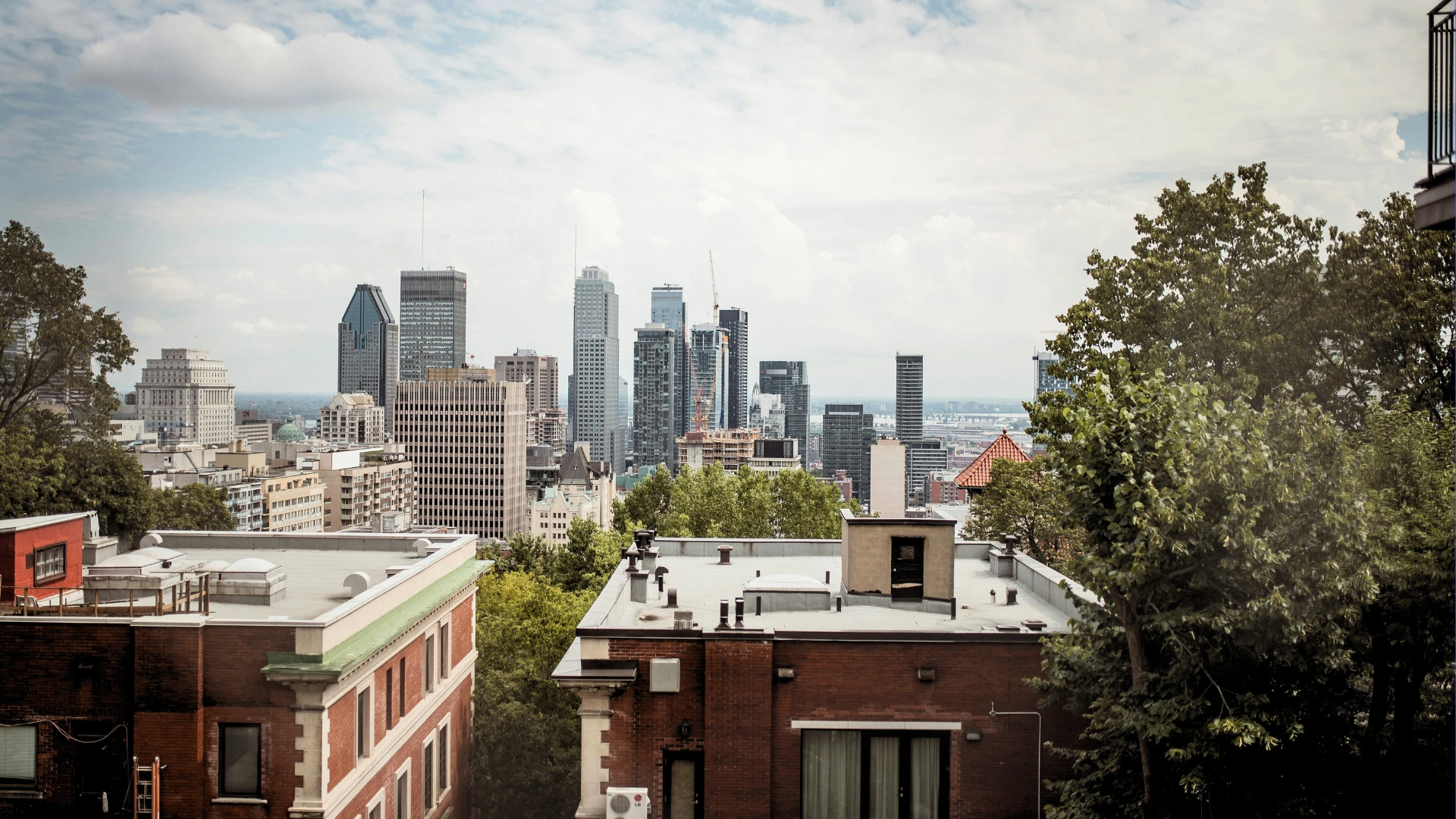
As the largest French-speaking city in North America, Montreal is known for its lively culture, with many festivals, concerts, outdoor spaces, and a thriving arts scene. It’s a blend of European and North American cultures, offering relatively affordable rent compared to other large cities in Canada, and is home to world-class universities.
If you’re relocating from another province, there are a few things to note before you arrive. In this blog, we’ll cover everything you need to know before moving to Montreal, including how to navigate the rental market and set up essentials like healthcare and insurance, to make your move as smooth as possible.
Key takeaways
Moving to Montreal is relatively affordable compared to other large Canadian cities, but it comes with key differences, such as unique rental rules, a July 1 moving day, and the need to set up essentials like RAMQ, Hydro-Québec, and insurance. Choose your neighbourhood carefully, learn some French, and understand how Quebec’s systems work to make your transition as smooth as possible.
Affordability is one of the top reasons people relocate to Montreal. Compared to other large cities like Toronto and Vancouver, rent in Montreal is significantly lower. A one-bedroom apartment can cost about $1,700 in Montreal, depending on where you live, whereas in Toronto, you can expect to pay almost double that.
Beyond the lower cost of living, Montreal is known for its culture. The city comes alive in the summer with festivals like Jazz Fest, Osheaga, and Just for Laughs, along with endless restaurants, cafes, bars, and nightlife.
You’ll also find good job opportunities, top universities, and plenty of green spaces and parks to enjoy year-round, whether that’s having a picnic with friends in the summer or cross-country skiing in the winter.
That said, there are a few trade-offs: Quebec has higher income taxes, and you need to know at least a little bit of French to fully integrate into the city. But for many, the overall lifestyle makes it well worth it.
Public transportation (STM): Montreal’s public transit system is one of the easiest ways to get around the city. The STM network includes 4 metro lines, the REM train, and buses that cover most areas on and off the island. You’ll need to get an OPUS card ($6), which you can load with fares or a monthly pass. Monthly unlimited passes are just over $100 and well worth it if you commute regularly.
Driving: Driving is an option, but it’s not always the most practical, especially if you live in the city center. Parking can be difficult to find and expensive, and many areas require a residents-only parking permit. On top of that, weather conditions can make driving difficult in winter.
BIXI bikes: In the warmer months, BIXI bikes are a popular and convenient way to get around. You can subscribe for around $24 per month or pay as you go. There are nearly 1,000 stations in the Metro Montreal area, so you can find a bike quite easily, no matter where you are.
Most apartments in Montreal are listed on platforms like Facebook Marketplace or Kijiji, and you’ll notice that they’re described by the number of rooms. For example, a one-bedroom is called a 3 ½, a two-bedroom is a 4 ½, and so on.
Moving Day (July 1): Montreal has a unique tradition called “Moving Day,” which takes place on July 1st. Most rental leases in Quebec end on this date, meaning thousands of people are moving on Canada Day, when the rest of the country is celebrating.
On July 1st, there’s a large turnover of apartments across the city. It can be easier to find availability, but it also means more competition and sometimes higher prices. If your timing is flexible, moving at another time of year can give you more options and less pressure.
Quebec’s rental rules: Quebec has its own set of rental regulations, and they can be quite different from those in other provinces. Some of the most important rental rules include:
You can view more information on the rights and obligations of renting in Montreal on the Tribunal administratif du logement website.
Popular Montreal neighbourhoods for newcomers: Some neighbourhoods are especially popular for people moving to Montreal for the first time, including:
But what’s popular might not be what suits you best. So, when looking for the best neighbourhood in Montreal to live in, consider the following:
After moving to Montreal, there are a few important things you need to do to get settled:
Quebec’s public health insurance is called RAMQ (Régie de l’assurance maladie). To qualify, you must live in the province for at least 183 days of the year. You should apply as soon as you arrive, as it can take a few months to receive your card.
In the meantime, your previous provincial health card will cover you for medical services until your RAMQ card arrives. It’s also a good idea to register for a family doctor right away, as wait times can be long.
If your previous internet or phone provider doesn’t offer services in Montreal, you’ll need to find a new one. Compare plans and prices and choose one that best fits your needs and budget. Some popular providers in Montreal are EBOX, Telus, Fizz, Bell, and Videotron.
Make sure to update your address with:
You may need to register with the City of Montreal for certain essential services, such as:
Insurance works a bit differently in Quebec compared to other provinces. Here’s what you need to know about both home and car insurance:
Quebec uses a hybrid car insurance system, working in two parts:
However, the $50,000 in third-party liability coverage is just the legal minimum. If you only rely on that and the provincial public plan, you’ll be entirely financially responsible for any damage to your own car caused by collisions, hit and runs, car theft, etc. Many people choose higher coverage (like $1 to $2 million) for better protection.
You may also want to add optional coverage, such as collision coverage, which is designed to cover the repair or replacement of your car after an accident.
Fortunately, digital insurance platforms like YouSet make this easy by allowing you to compare quotes from multiple providers, so you can see your options side-by-side, and then check out online, all in one place.
Remember, you’ll also need to exchange your driver’s license through the SAAQ and pay the license exchange fees. You’ll also have to register your vehicle within 90 days of moving.
Although home insurance in Quebec isn’t legally mandatory, it’s often required by landlords, condo associations, and mortgage lenders. Plus, in a city with many older buildings and harsh winters, having coverage in place will give you peace of mind and protect you from unexpected costs.
Keep these final points in mind as you plan your move to Montreal:
YouSet is a technology-driven insurance platform that simplifies buying and renewing insurance. Combining proprietary technology and the support of AMF and RIBO licensed brokers, we’re making it faster and easier to buy home and car insurance online from top insurers for less.





Our algorithms do the hard work comparing policies and prices from Canada’s top providers.