Car insurance


Just like homeowners want to protect their homes or drivers want to protect their cars, if you rely on your bicycle for daily commutes or have invested in biking as a hobby, it’s only natural that you’d want to protect it just the same.
With that in mind, this article offers practical tips to help prevent bicycle theft, along with an overview of bicycle insurance so you can make informed decisions about the best way to keep it safe, given your needs, budget, and lifestyle.
Key takeaways
Home insurance typically covers bicycle theft, as bikes are considered personal belongings under contents coverage. However, they’re subject to policy limits, and insurers often apply sub-limits to categories like bicycles.
Yes, home insurance does cover bicycles from theft, as they are considered a personal belonging and fall under contents insurance. They are, however, subject to coverage limits. While your overall contents coverage might be, for example, $30,000, insurers often impose sub-limits on specific categories, bicycles included. This means that if your bicycle is particularly valuable, your insurance may not fully cover its cost.
Unlike a car or motorcycle, there is no law requiring insurance for traditional bicycles. There are, however, other reasons to have it, especially if your bicycle is expensive or if it’s your primary method of transportation.
Although dedicated bicycle insurance does exist in Canada, it’s more common and often simpler to add your bike to your existing home, condo, or tenant insurance policy as a floater.
In insurance, a floater provides additional protection for high-value items that exceed standard coverage limits, ensuring they are covered for their full appraised value if lost or damaged due to a covered peril, such as fire or theft. While there’s no specific minimum value required for a floater, your insurer will likely require you to get it professionally appraised before coverage for it will be issued.
Unlike car theft, which has seen increased prevention efforts from police and government organizations in recent years, bicycle theft often doesn’t receive the same level of attention. While there are many possible reasons for that which are beyond your control, the good news is that there are a few practical tips you can follow to reduce the risk of having your bike stolen.
With that in mind, let’s review how to protect your bicycle from theft.
Depending on the value of your bicycle, your existing home, condo, or tenant insurance policy may provide enough coverage to replace it if it’s stolen.
However, if your bike is worth more than the standard coverage limit and you don’t want to be left covering the difference out of pocket, you can add it as a floater. While this will increase your premium, it allows you to use your bicycle as you intended without worrying about unexpected costs if it’s stolen.
Keeping it inside your home is arguably the safest option, but space constraints or household rules may make that difficult. If that’s the case, a locked and secured garage is the next best thing. However, if your garage has windows, you’ll want to cover them up or keep your bicycle out of sight to reduce the chances of a break-in.
When parking your bicycle for a short period of time, choose a location that maximizes visibility. Opting for spots near building entrances, in high-traffic areas, or well-lit spaces can make your bike less appealing to thieves, as the increased chance of being seen reduces the likelihood of theft. Additionally, take advantage of security cameras by positioning your bike within their view whenever possible for added protection.
You wouldn’t buy a bike without a helmet – so why buy one, especially an expensive one, without a sturdy lock? Although police warn that bike thieves are “relentless and persistent” and have “the means, abilities, and tools to break through most locks,” investing in a high-quality lock can still make a difference. After all, a high-quality lock, like an angle grinder-resistant bike lock, increases the time and effort required to steal your bike, making it less appealing to opportunistic thieves looking for an easy target.
Once you have a high-quality lock in hand, the next step is to find an immovable object to attach your bicycle to, one that is sturdy, fixed to the ground, and difficult to cut. Avoid flimsy fences, wooden posts, or sign poles, as these are notoriously easy for thieves to break, cut, or lift your bike over.
Also, it’s wise to research where you can’t lock your bicycle, either due to legal restrictions or safety concerns. For example, you typically cannot lock it to utility poles, handicap railings, or fire hydrants, and risk fines or having your bike removed if you do.
One of the keys to protecting your bicycle from theft is making it less attractive to thieves. What good is a bike that’s missing its seat or front wheel? That being said, take the time to explore your bicycle’s features and practice removing key components, so that the next time you’re out and about, you can take them with you.
If a thief is determined to steal your bike and has the means to do so, there’s little you can do to stop it. Given this unfortunate reality of bicycle theft, you may consider making it trackable. While Apple AirTags are a popular option, they have limitations. For instance, iPhone users may get an “AirTag Found Moving With You” message on their phone, which can tip off a thief. To avoid this, a more sophisticated tracking system can be used to assist authorities in the recovery of stolen bikes, without the risk of detection.
If your bicycle is ever stolen, having the right documentation can improve your chances of getting it back or filing a successful insurance claim. In a report released by the Kelowna RCMP, which studied 50 random bike thefts, the majority (64%) of complaints did not include a serial number, making recovery more difficult.
To protect yourself, take the time to record your bicycle’s serial number and take photos of it, especially of any unique features, such as custom parts, stickers, or scratches. Once documented, store this information in a safe place in case you ever need it.
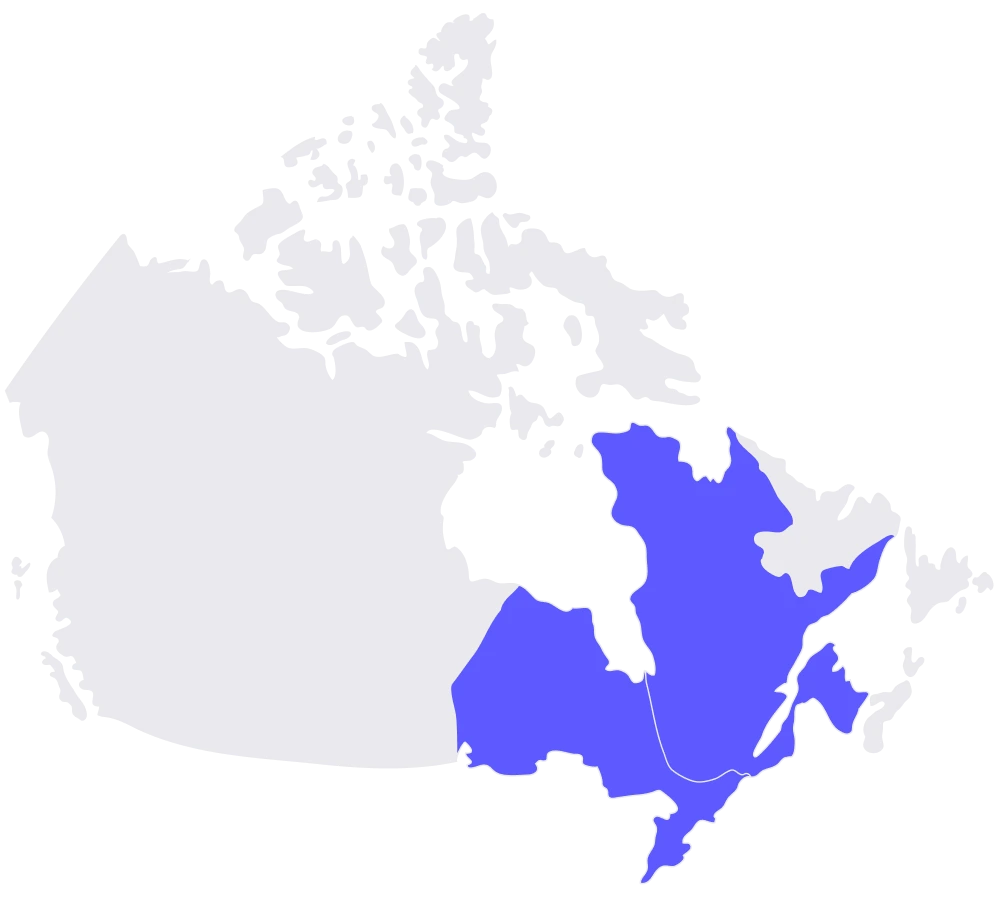
YouSet is a technology-driven insurance platform that simplifies buying and renewing insurance. Combining proprietary technology and the support of AMF and RIBO licensed brokers, we’re making it faster and easier to buy home and car insurance online from top insurers for less.





Our algorithms do the hard work comparing policies and prices from Canada’s top providers.