Car insurance

When you think about Toronto, flooding probably doesn’t come to the top of your mind, but it’s a growing concern across the GTA. From neighbourhoods near the Don River and Black Creek to waterfront communities like Pickering Beach, several parts of Toronto are more vulnerable to flooding than others.
If you live in or near one of these flood zones, it’s important to know what that means for your home, insurance, and wallet. It’s also important to make sure your home or tenant insurance policy includes flood coverage, so you’re protected if the unexpected happens.
Key takeaways
In Toronto, the 15 areas that are particularly vulnerable to flooding, according to the Toronto and Region Conservation Authority (TRCA), include:
You can use the TRCA Flood Plain Map Viewer to see if your current home, a property you’re considering buying, or an apartment you plan to rent is in a flood zone. This viewer provides a digital map of current flood plain data, making it easy to identify if your home is at risk. Here’s how to use the Flood Plain Map Viewer:
Note that while this map depicts riverine flood plain extents, it does not show flooding caused by urban runoff or drainage issues. So, even if your neighbourhood doesn’t appear in a high-risk flood zone, your property could still be vulnerable to flooding during heavy rain or severe weather events.
Living in a flood-prone area of Toronto doesn’t automatically mean that your home will flood. It does, however, mean that there are added risks and considerations to take into account, such as:
Overland flooding, sewer backups, and heavy rain or runoff can cause extensive damage to your home’s foundation, electrical systems, and fixtures, including flooring, cabinetry, and appliances. Beyond your home itself, flooding can also ruin personal belongings, from furniture to electronics.
On top of the physical damage, flooding can create secondary issues like mold growth, structural weakening, and electrical hazards — all of which need prompt, professional attention to prevent more major problems or health and safety risks.
Living in a flood-prone area often means it costs more to insure your home and car. That’s because flooding raises the likelihood of claims, and insurers often charge higher premiums to account for the added risk. So, if your home, condo, or tenant insurance costs more in one area of Toronto than it did in another, this could explain the difference.
Some insurance providers may not offer coverage in high-risk flood zones, or you might have limited coverage options depending on your area. As a result, you may need to shop around or work with a broker (like YouSet!) who can help you find an insurer willing to provide coverage.
Homes located in flood-prone areas can be more difficult to sell or may sell for a lower market price. Buyers often weigh the long-term costs of insurance and potential flood damage when making their decision. That said, investing in proper flood protection can help maintain your property’s value and make it more appealing to potential future buyers.
It is common for cities to put flood mitigation measures in place to reduce the risk of basement flooding, sewer backups, and stormwater-related damage for everyone.
For example, Toronto requires all homeowners, not just those who live in a flood zone, to disconnect their downspouts from the City’s sewer system. As the official City of Toronto website states, “By disconnecting downspouts and directing stormwater onto the property instead, it can minimize the risk of sewer overloads.”
If you plan to build or renovate your home in a flood zone, you may be subject to stricter construction rules. These regulations are designed to mitigate the risk of flooding. This can include elevating structures, using flood-resistant materials, and ensuring that proper drainage systems are in place.
Just as cities put mandatory measures and regulations in place, it is also common for them to offer financial incentives or subsidies that make it easier for residents to invest in flood protection. For example, the Toronto Basement Flooding Protection Program gives homeowners a subsidy to invest in flood protection measures, including the installation of a backwater valve or sump pump.
Toronto is prone to flooding because of its natural landscape, environmental shifts, and decades of urban development that have reshaped how water flows through the city.
Climate change is reshaping Toronto’s weather patterns as well as the city’s flood risk. According to Toronto’s Current and Future Climate 2024 Report, average annual temperatures have been steadily rising, resulting in more variable and intense rainfall over shorter periods. While overall rain is expected to increase, it’s becoming more localized, meaning some areas get sudden, severe downpours.
The Canadian Climate Institute notes that, “Increasingly frequent and severe short-duration rainfall events increase the likelihood of flash floods, especially in urban areas, by overwhelming storm sewers and drainage systems.” In the past two decades alone, Toronto has experienced at least four intense storms that surpassed the 100-year storm threshold in some areas. Each one caused widespread flooding and millions of dollars in damages.
Toronto’s proximity to Lake Ontario is a significant factor in the city’s flood risk. Water levels in Lake Ontario naturally rise each spring and early summer due to inflows from Lake Erie and runoffs from watersheds. While these fluctuations are a normal part of the lake’s cycle, extreme weather and unusually high water levels can make problems much worse.
In a report prepared for the City of Toronto by the Toronto and Region Conservation Authority, the events of 2017 and 2018 were given as examples of how Lake Ontario can dramatically impact flooding in the city.
In 2017, snowmelt and heavy rain caused Lake Ontario’s water level to peak nearly 0.91 m above average, leading to flooding and erosion along the entire span of Toronto’s waterfront and Toronto Island Park. A year later, in April 2018, a windstorm produced waves not seen in more than 45 years. The report notes that, “over a 24-hour period, the windstorm produced the same amount of damage as the flooding that was experienced over the entire course of 2017.”
While flood control measures can help mitigate some risk, it cannot be entirely eliminated. That means that for those living in communities along the water, like Pickering Beach in Ajax, the risk of flooding is even more significant.
Urban growth has transformed Toronto’s landscape, increasing the flood risk. As the city expands, more surfaces, such as roads, parking lots, and rooftops, prevent the natural absorption of rainwater. At the same time, the loss of green space and wetlands reduces the land’s ability to absorb and redirect stormwater.
The result? More surface flooding, especially during heavy rainstorms. The Jane and Wilson area in Toronto is a prime example. According to the Toronto and Region Conservation Authority, “Dense urban development in the Black Creek floodplain and drainage area makes this area particularly susceptible to flooding.”
Toronto’s natural landscape plays a big role in its flood risk. The city has low-lying areas, valleys, and river floodplains that are naturally prone to collecting and channelling water during heavy rain. Over time, urban development in these areas has made the risk of flooding worse.
Take the Rockcliffe-Smythe neighbourhood, for example. As the City notes, “Development of the Rockcliffe-Smythe neighbourhood began after the Second World War. It was common, at the time, to develop lands near rivers, and to build in the path of the natural floodplain. Historical development in this area, as early as the 1940s, has encroached on the watercourse’s floodplain and resulted in a significant flood risk.”
It’s no secret that Toronto’s infrastructure is aging, and it’s becoming more obvious as the city faces heavier rainfall and faster population growth. As Councillor Gord Perks stated, “We are sitting in a city that was built for a climate that no longer exists. All of our systems were designed for what we would call a 50- or 100-year storm, but now we are getting them every three years. Our streets, our pipes, our bridges, our tunnels, everything is designed for the wrong climate.”
An example of this is the Black Creek trunk sewer, which was built in the 1960s and now serves over 350,000 residents. Over the years, population growth has pushed the sewer beyond its limits, leading to floods and even delays in approving new housing developments. Modern upgrades are underway, but until these projects are complete, aging infrastructure remains one of Toronto’s biggest flood challenges.
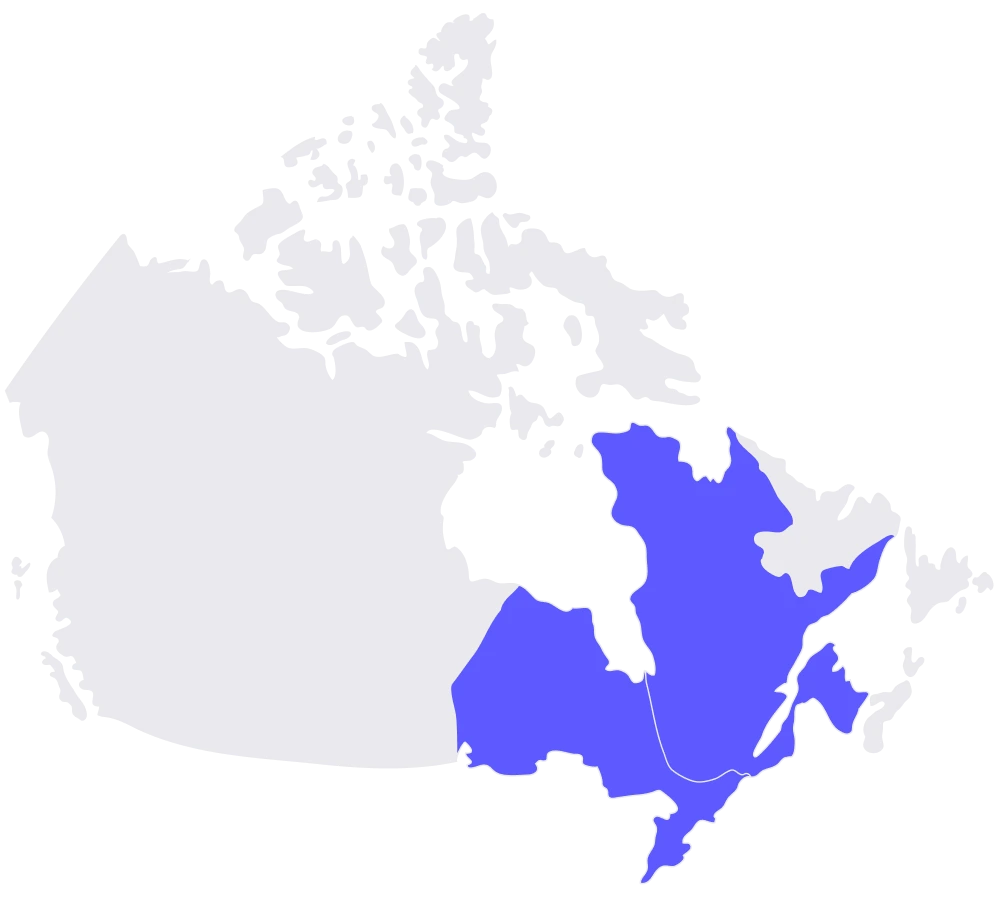
YouSet is a technology-driven insurance platform that simplifies buying and renewing insurance. Combining proprietary technology and the support of AMF and RIBO licensed brokers, we’re making it faster and easier to buy home and car insurance online from top insurers for less.





Either way, you win. Terms and conditions apply.*