Car insurance

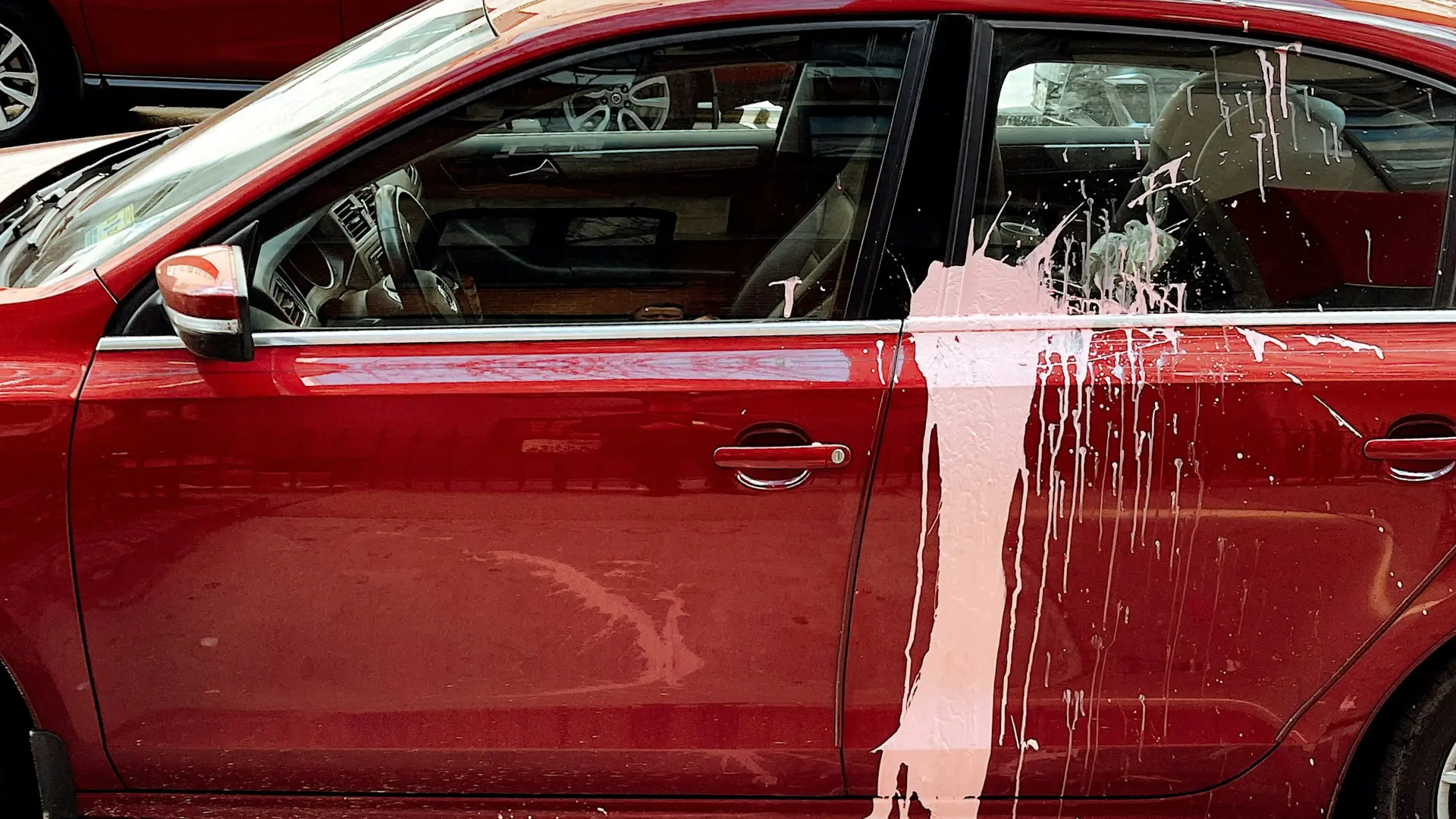
It can be frustrating, confusing, and even a little scary if you discover your car was vandalized. Whether it’s a smashed window, a key scratch, or a slashed tire, you’ll need to stay calm and take the right steps. Acting quickly helps protect you, makes the insurance claims process easier, and ensures you have the proper documentation.
Key takeaways
If your car has been vandalized, here’s what to do:
Before you do anything else, take a look at your car to understand the extent of the damage. Your goal is to gauge whether it’s mostly cosmetic damage or if it could affect your car’s drivability or safety. Check for:
Don’t touch, move, or clean anything yet. Leaving things as-is for now gives you stronger evidence for the police report and your insurance claim.
The next step is to gather proof. Take photos of the damage, including wide shots of the entire car and surroundings. For example, take pictures of broken glass on the ground or spray paint on nearby walls to help show the whole picture. Make sure to include timestamps.
Avoid calling 911 unless you feel unsafe or if the vandal is nearby. Call the non-emergency police line, as it’s meant for incidents like vandalism. Depending on the incident, they may send an officer to you, walk you through filing a report over the phone, or direct you to an online reporting tool.
If you plan to file an insurance claim, you’ll likely need a police report. Be sure to ask for a copy of the report, or at the very least, write down the report number.
Car insurance can cover vandalism, but only if you have comprehensive coverage. Unfortunately, you can’t add this coverage retroactively – it must have been in place before the vandalism occurred. So if it turns out that you don’t have coverage, be prepared to pay for repairs out of your own pocket. Here’s a rough idea of how much car repairs for vandalism can cost:
Once you’ve filed a police report, your next call should be to your insurance provider. Even if you’re undecided about filing a claim, it’s a good idea to let them know what happened. They can confirm whether your policy covers vandalism, walk you through the claims process, and tell you exactly what documentation you’ll need if you decide to move forward.
It’s worth weighing the cost of repairs against your deductible. If the repairs will cost less than (or close to) your deductible, it likely doesn’t make sense to file a claim. But if the damage is more significant, you may decide that filing a claim is worthwhile.
For example, let’s say one of your tires was slashed, and it’s going to cost $250 to replace. Your deductible is $500, so it wouldn’t make sense to file a claim because you’d be paying out of pocket anyway. Now, let’s say all four of your tires were slashed and the total cost is $1,000. In this case, filing a claim could make sense because the repair cost is much higher than your deductible.
If you decide to file a claim, you’ll need to pay your deductible before your insurer covers the rest of the repair costs (up to the limit of your policy). For comprehensive claims like vandalism, deductibles usually fall between $500 and $1,000. Keep in mind that if the repair costs are lower than your deductible, you’ll need to cover the full amount yourself.
Once your claim is approved, it’s time to get your car fixed. Your insurer may refer you to a preferred repair shop within their network, or let you choose your own. If you go with your own shop, make sure to keep detailed documentation and receipts for all work done, as your insurance provider will need them to reimburse you.

YouSet is a technology-driven insurance platform that simplifies buying and renewing insurance. Combining proprietary technology and the support of AMF and RIBO licensed brokers, we’re making it faster and easier to buy home and car insurance online from top insurers for less.





Get the best price year after year with price alerts at renewal. We’ll even re-shop to find you a better deal.