Car insurance


Moving into a new home is exciting, but it also comes with a long list of things to take care of. From setting up utilities and services to updating your address and securing home insurance, it’s easy to feel overwhelmed by everything that needs to get done.
To help you stay organized, we’ve put together a complete checklist covering everything from 30 days before your move to 30 days after. Whether you’re buying or renting, this guide walks you through the key steps to take at each stage so you can avoid last-minute stress and settle into your new home as quickly as possible.
Key takeaways
Before you move, set up utilities, insurance, and logistics. On moving day, inspect your home and test everything. Afterward, change locks, update your address, and handle key services. Follow the checklist below for a complete step-by-step guide.
If you just bought a house, this is the stage where your mortgage is fully locked in and ready for closing. This process typically involves:
You’ll need to meet with a lawyer or notary to complete the purchase of your new home and transfer ownership into your name. They handle the legal side of the transaction by reviewing all documents, registering the home in your name, managing the transfer of funds from you to the lender, and ensuring there are no issues with the property title.
In Quebec, you must meet with a notary, while in all other provinces, you can have a lawyer or another authorized person do this.
Although home insurance isn’t legally mandatory, your mortgage lender will likely require it. “Before lending you money to buy a house, most banks or mortgage lenders will require you to purchase home insurance coverage, name them as a mortgage lender on your policy, and provide proof of home or condo insurance purchase,” states the Insurance Bureau of Canada.
Fortunately, YouSet makes it easy to compare home insurance quotes and coverage options in minutes. You can customize your policy to fit your needs and budget, with the best price year after year.
Buy basic essentials before you move, including:
Don’t worry about decor right away; focus on the essentials first, and you can build out your space over time.
Depending on your budget and how many large items you’re moving, you may want to hire movers or rent a truck and move everything yourself. If you’re moving in the busy summer months, book early, at least 30 days before the move.
Set up your utilities, including electricity, water, and gas, so that they’re good to go before you arrive. Some provinces have more than one main energy provider, so you can choose which one you want to go with. Contact the provider to open an account in your name and schedule the service to start on your move-in date.
Each province has multiple internet providers, so you’ll need to shop around and choose the best plan and company for your needs. Once you’ve chosen, setting up your service is usually pretty straightforward. You’ll need to:
Popular internet providers in Canada include:
Confirm exactly how and when you’ll receive the keys, garage openers, and security codes for your new home. This might be arranged through your real estate agent or notary/lawyer on closing day. It’s a good idea to test everything right away and update any security codes once you move in.
If you’re moving into a condo, you may need to reserve the elevator in advance. It’s also a good idea to check whether you’ll need a temporary parking permit or a designated space for your moving truck, and to confirm your movers or coordinate with any friends or family helping you on moving day.
Even if you update your address everywhere, some mail may still go to your old home. Setting up mail forwarding with Canada Post is pretty straightforward and ensures you don’t miss anything important. Here’s how you can do so online:
It can take about five days to activate, so set it up before you move.
Before you start unpacking, do a quick walkthrough of the space. Check for damages or anything that doesn’t match what was agreed on. If you’re renting, it’s a good idea to take photos and videos for your records, so you’re protected if any disputes arise later.
Turn on major appliances and systems to make sure everything is working properly. This includes:
Check that all smoke and carbon monoxide detectors are functioning and have working batteries. These are legally required in all homes in Canada and are essential for protecting you and your home.
Take a moment to familiarize yourself with important safety features in your home. Find your electrical panel in case you need to reset a breaker, locate the fire extinguishers, and know how to exit your home in an emergency.
If you’ve scheduled your internet setup for moving day, make sure it’s installed and working as expected. Test the connection, set up your network, and confirm speeds so you’re ready to go.
Change the locks and have new keys made to ensure your safety and peace of mind. You don’t know who may still have copies of the old keys, so updating the lock ensures you’re the only one with access. If you’re renting, check with your landlord, as some may already change the locks between tenants.
Take some time to register for any local services required by your municipality. This varies across Canada, but can include:
Collection schedules and sorting rules vary by municipality, so check your local guidelines. Find out your pickup days, which materials go in what bins, and whether there are specific requirements for things like compost, yard debris, or bulk waste.
If your home doesn’t already have an adequate security system, you may want to install devices like a doorbell camera, motion sensors, or a smart lock. Plus, you may be eligible for a discount on your home insurance if you opt to install a professionally monitored security system.
Keep an eye on your sinks, showers, and toilets to make sure everything is working properly. Check under sinks and around fixtures for any signs of leaks, drips, or water damage. Catching small issues now means avoiding bigger and more expensive repairs later.
Update your address across all important accounts. This includes your bank, credit cards, insurance providers, and government services like the CRA and your provincial health insurance plan. Don’t forget subscriptions, delivery services, and online shopping accounts.
After living in your new home for a few weeks, you’ll have a better sense of what you need. You can now buy practical items that improve your day-to-day comfort, including extra furniture and home essentials.
If you haven’t already, book any recommended maintenance or inspections for your home. This can include:
Being proactive now ensures your home stays in good condition and prevents issues later.
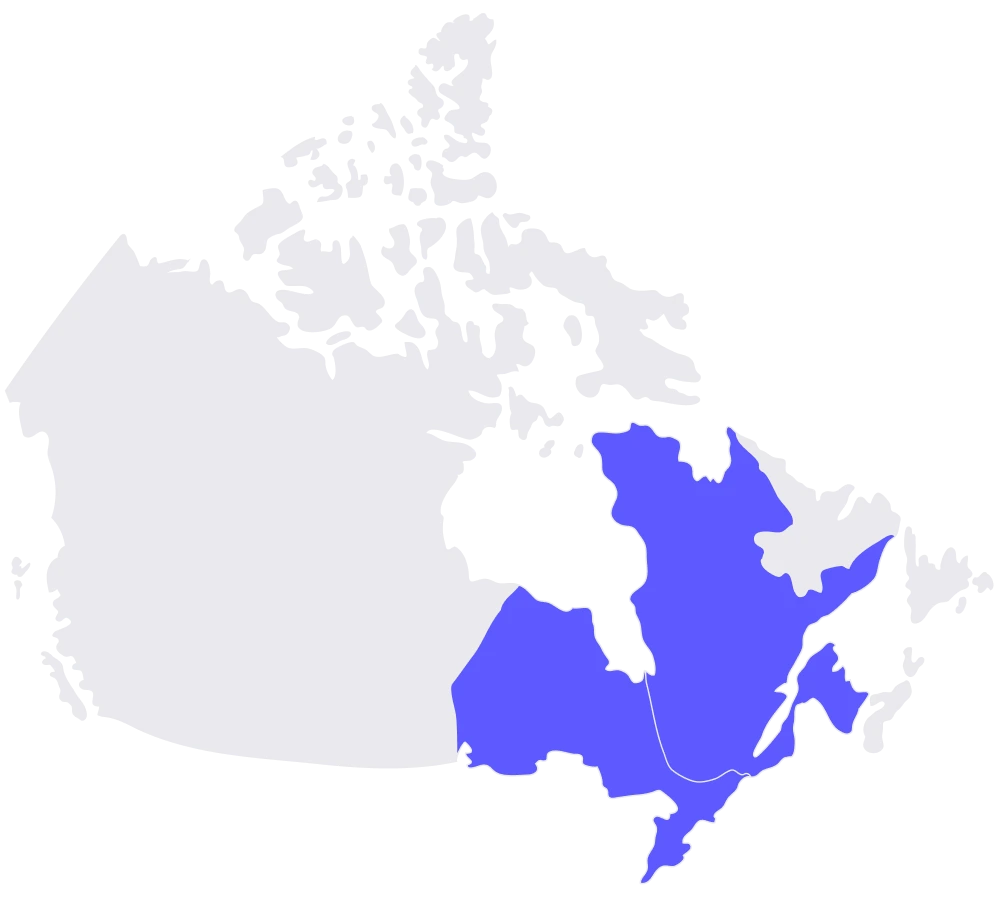
YouSet is a technology-driven insurance platform that simplifies buying and renewing insurance. Combining proprietary technology and the support of AMF and RIBO licensed brokers, we’re making it faster and easier to buy home and car insurance online from top insurers for less.





Get the best price year after year with price alerts at renewal. We’ll even re-shop to find you a better deal.