Car insurance

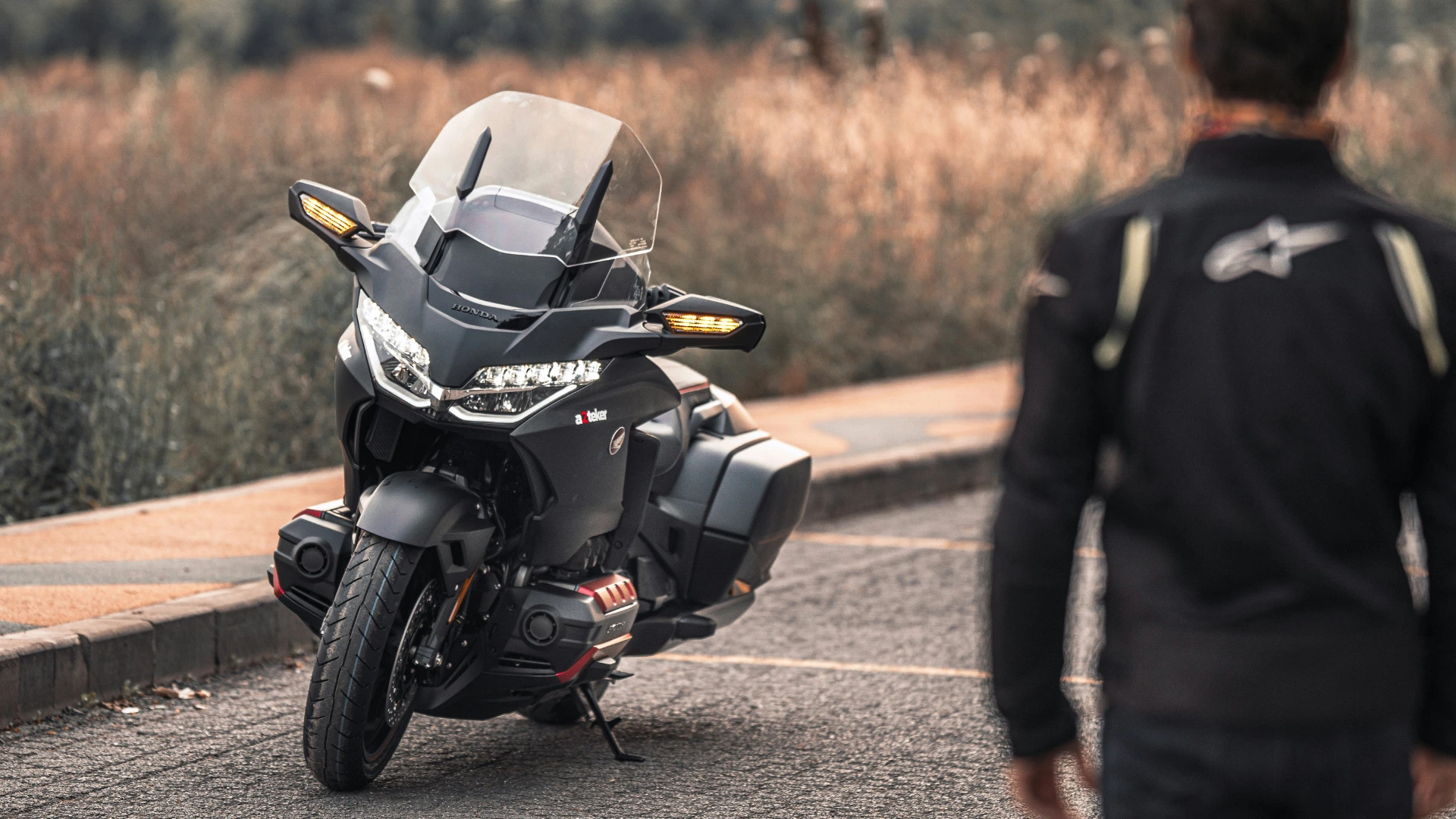
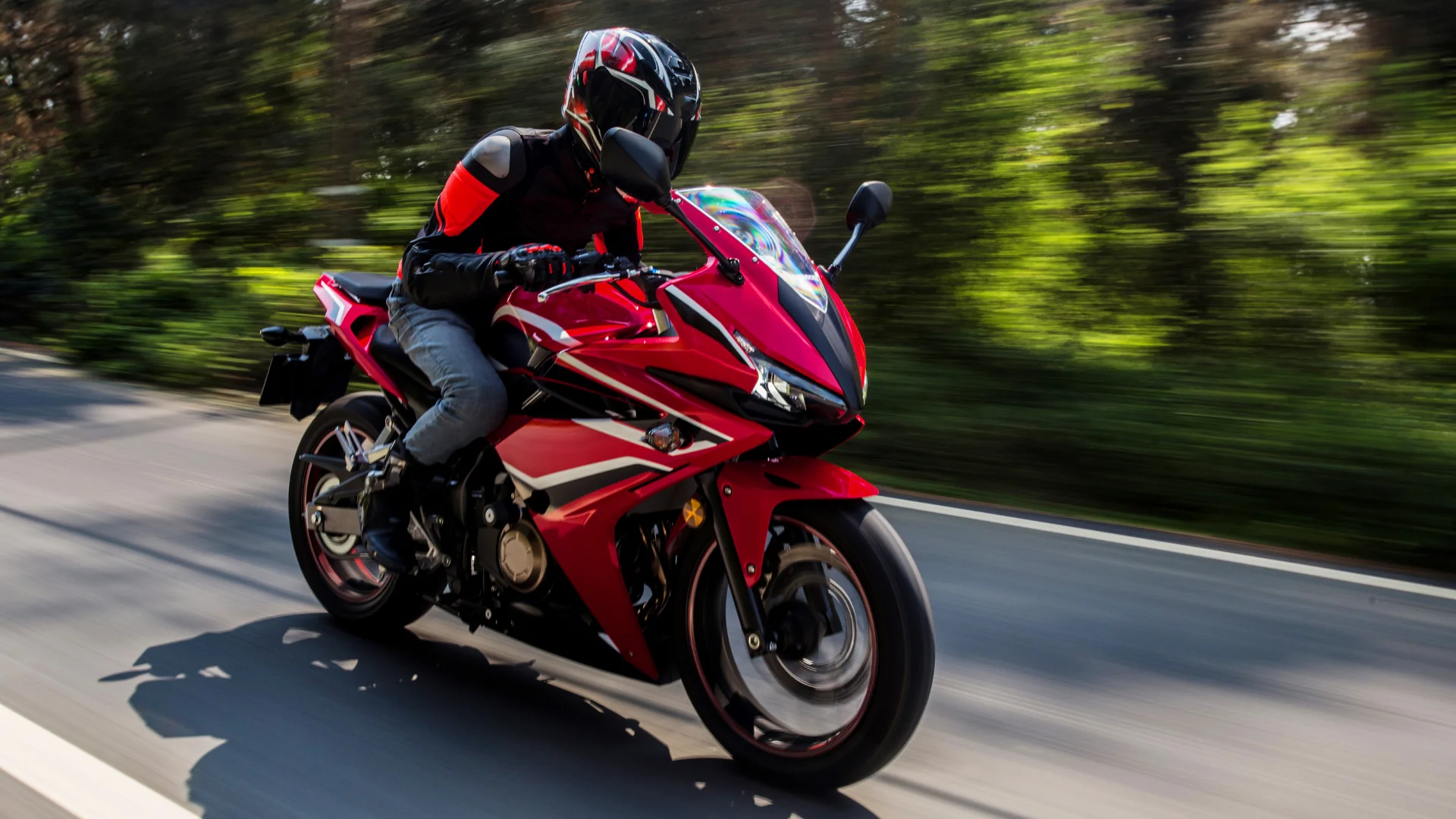
In Canada, you need a different license to ride a motorcycle than to drive a car, since motorcycles require a different set of skills, safety considerations, and risk awareness than passenger vehicles. Riding a motorcycle means managing balance, handling, and road awareness simultaneously, requiring a different level of attention and control than driving a car.
That said, motorcycle licensing is not standardized across the country. Most provinces and territories use a graduated licensing system with multiple stages before you earn a full license, but the exact requirements, testing process, and restrictions can vary quite a bit depending on where you live.
These differences don’t just affect how long it takes to get your license; they can also impact motorcycle insurance. Insurers look at both your license class and experience level when calculating your premium, so where and how you get licensed can play a role in what you pay.
In this article, we break down how motorcycle licensing works across Canada by province and territory, so you can better understand the requirements for where you live.
Key takeaways
Motorcycle licensing in Canada varies by province, but most follow a graduated system with knowledge and road tests required at each stage. Depending on where you live, getting fully licensed can take anywhere from about 1 month to over 2 years, with costs ranging from around $100 to $1,200+, especially if a training course is required.
In Canada, most provinces require you to be at least 16 years old before you can begin the motorcycle licensing process. However, the exact minimum age can vary slightly depending on the province or territory, as each one sets its own licensing rules and requirements.
In most cases, meeting the minimum age is just the first step in a graduated licensing system, where new riders must also complete written tests, training requirements, and supervised riding stages before obtaining a full motorcycle license.
| Province/Territory | Minimum age to get a motorcycle license |
| Ontario | 16 years old |
| Quebec | 16 years old |
| Alberta | 16 years old |
| Saskatchewan | 16 years old |
| Manitoba | 16 years old |
| British Columbia | 16 years old |
| New Brunswick | 16 years old |
| Nova Scotia | 16 years old |
| Prince Edward Island | 16 years old |
| Newfoundland and Labrador | 16 years old |
| Nunavut | 16 years old |
| Northwest Territories | 15 years old |
| Yukon | 15 years old |
Motorcycle licenses are typically structured into different classes or stages that reflect your level of experience, from beginner to fully licensed rider. The names and formats vary by province or territory, but most follow a similar progression: learner, intermediate, and full license.
You can get a motorcycle license without holding another class of driver’s license, but having one can often speed up the graduated driver licensing program, allowing you to get your full license sooner. The licence classes listed below reflect the full graduated licensing path for new drivers starting without a prior licence.
| Province/Territory | Motorcycle license classes |
| Ontario | M1 (learner), M2 (intermediate), M (full license) |
| Quebec | 6A (any motorcycle), 6B (engine displacement of 400 cc or less), 6C (engine displacement of 125 cc or less) |
| Alberta | Class 6 (learner), Class 6 GDL (probationary license), Class 6 (full license) |
| Saskatchewan | Learner (6 Endorsement), Novice 1 (Endorsement M), Novice 2 (Endorsement M), Unrestricted “M” (full license) |
| Manitoba | Class 6M (training course stage), Class 6L (learner stage), Class 6I (intermediate stage), Class 6F (full license) |
| Britsh Columbia | 6L (learner), 6N (novice), 6 (full license) |
| New Brunswick | Class 6 Level 1 (learner), Class 6 Level 2 (Intermediate), Class 6 (full license) |
| Nova Scotia | LM (learner), 6N (newly licensed motorcycle driver’s license), Restricted Individual with Condition 47 (for 2 years), full Class 6 license |
| Prince Edward Island | Class 6 (learner), Class 6 (full license) |
| Newfoundland and Labrador | 6I (level 1, learner), 6II (level 2), 6 (full license) |
| Nunavut | Class 6L (learner), Class 6 (full license) |
| Northwest Territories | Class 7 (learner), Class 6P (probationary), Class 6 (full license) |
| Yukon | Class 6 (learner), Class 6 (novice), Class 6 (full license) |
The time it takes to get a motorcycle license in Canada can vary quite a bit depending on where you live. In most provinces and territories, the process follows a graduated system, where you move from a learner to an intermediate stage before earning your full license. Each stage has minimum time requirements, meaning it can take anywhere from a few months to a few years to become fully licensed.
That said, there are a few factors that can speed up the process, including holding another class of driver’s license or taking an approved motorcycle training course. For example, in Newfoundland and Labrador, taking a course can shorten the learner period from 12 months to 8, and in Alberta, you can reduce your 24-month probationary period by up to 6 months.
| Province/Territory | Approximate time to full motorcycle license |
| Ontario | At least 20 months |
| Quebec | At least 11 months |
| Alberta | At least 18 months |
| Saskatchewan | At least 36 months |
| Manitoba | At least 24 months |
| British Columbia | At least 37 months |
| New Brunswick | At least 12 months |
| Nova Scotia | At least 1 month for already licensed drivers with training At least 39 months for newly licensed drivers with training |
| Prince Edward Island | At least 12 months |
| Newfoundland and Labrador | At least 20 months |
| Nunavut | At least 1 month |
| Northwest Territories | At least 24 months |
| Yukon | At least 24 months |
The tests required to get a motorcycle license vary a lot depending on the province or territory you’re in. Most regions follow a similar overall structure, but the number and type of tests you’ll need to pass can differ. Some provinces keep it relatively simple with one written test and one road test, while others include additional evaluations along the way.
Certain provinces also require you to complete a mandatory training course. Even if it’s not required, taking a course is strongly recommended, as it can help you build confidence, improve your chances of passing road tests, and shorten the waiting period between stages. In some cases, it can even qualify you for motorcycle insurance discounts.
| Province/Territory | Motorcycle license tests |
| Ontario | 1 vision test, 1 written knowledge test, 2 road tests |
| Quebec | 1 written knowledge test, 1 driving course, 2 road tests |
| Alberta | 1 written knowledge test and 1 road test |
| Saskatchewan | 3 written knowledge tests and 1 basic ability road test or SGI-approved training course |
| Manitoba | 1 written knowledge test, 1 training course, 1 road test |
| British Columbia | 1 or 2 written knowledge tests, 2 road tests |
| New Brunswick | 1 vision test, 1 written knowledge test, 1 training course, 1 road test |
| Nova Scotia | 1 vision test, 1 written knowledge test, 1 balance test, 1 road test |
| Prince Edward Island | 1 written knowledge test, 1 novice driver course or education program, 1 road test |
| Newfoundland and Labrador | 1 written knowledge test, 1 road test |
| Nunavut | 1 vision test, 1 written knowledge test, 1 road test |
| Northwest Territories | 1 vision test, 1 written knowledge test, 1 practical test, 1 road test |
| Yukon | 1 written knowledge test, 1 road test |
The cost of getting a motorcycle license in Canada can vary depending on where you live and how you go through the process. While there are standard fees for things like knowledge tests, road tests, and the license itself, the total cost often depends on how many stages are involved and whether you take a motorcycle training course.
In provinces like Quebec, where you’re required to complete an approved course, total costs can go beyond $1,200. On the other hand, some regions, like Yukon or Nunavut, require no training and charge minimal fees, bringing the cost down to around $100 or less.
| Province/Territory | Motorcycle license price range |
| Ontario | $500+ for tests, licenses, and courses |
| Quebec | $1,200+ for a mandatory course, tests, and licenses |
| Alberta | $200-$300+ for the tests and license; $500-$800+ for a course |
| Saskatchewan | $1,500 for tests and licenses |
| Manitoba | $450+ for tests, licenses, and courses |
| Britsh Columbia | $160+ for tests and licenses |
| New Brunswick | $790+ for tests, licenses, and courses |
| Nova Scotia | $200+ for tests and licenses |
| Prince Edward Island | $180+ for tests, licenses, and novice driver course |
| Newfoundland and Labrador | $140+ for learner license, balance test, and road test |
| Nunavut | $15+ for tests and licenses |
| Northwest Territories | $100+ for tests and licenses |
| Yukon | $100+ for tests and licenses |
YouSet is a technology-driven insurance platform that simplifies buying and renewing insurance. Combining proprietary technology and the support of AMF and RIBO licensed brokers, we’re making it faster and easier to buy home and car insurance online from top insurers for less.
Our algorithms do the hard work comparing policies and prices from Canada’s top providers.