Tenant insurance

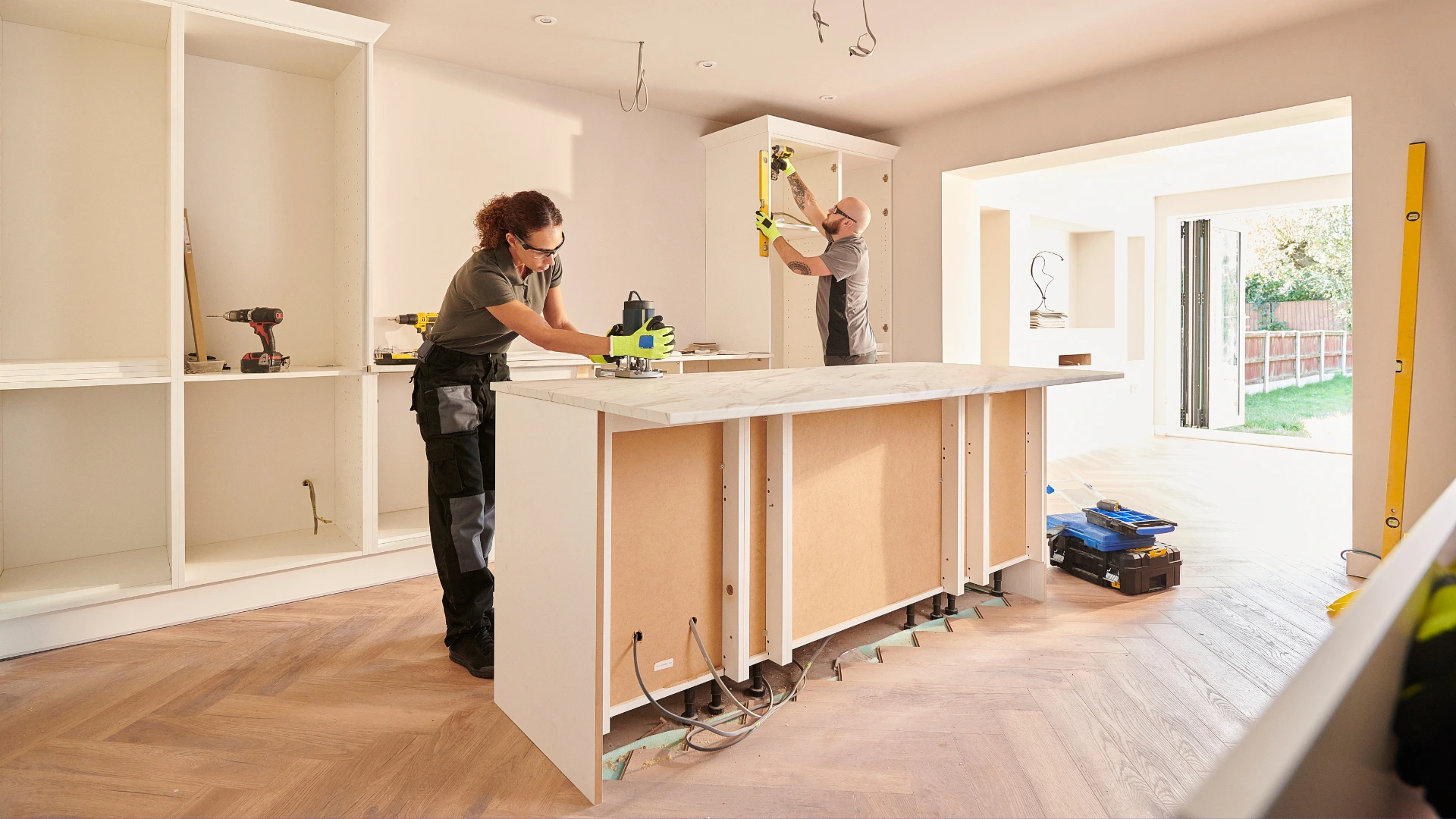
Are you looking to upgrade your home? Whether it’s updating your kitchen, finishing your basement, or an addition like a deck or extension, renovations can make your home feel new and improved. However, they can affect more than your property value and quality of life, potentially impacting your home insurance.
Many homeowners don’t realize that even small changes can shift the way insurance providers view the potential risks to their home.
So, how do renovations affect home insurance? In this article, we’ll walk you through the renovations that can save you money, the ones that might raise your premium, and why it’s crucial to keep your insurance provider in the know.
Key takeaways
Renovations can impact your home insurance premium because insurers base pricing on rebuild costs and overall risk. If upgrades make your home safer or reduce the likelihood of damage, your premium may go down. However, adding features that increase risk or liability could lead to higher insurance costs.
Yes, renovations can affect the price you pay for home insurance. Depending on the changes you make, your insurance can be lowered, saving you money, but it can also increase.
The reason is simple: insurance providers calculate premiums based on the cost to rebuild your home and the level of risk it presents. If a renovation makes your home safer or less likely to experience damage, your premium may decrease. On the other hand, if you add features that increase risk or liability, your premium could go up.
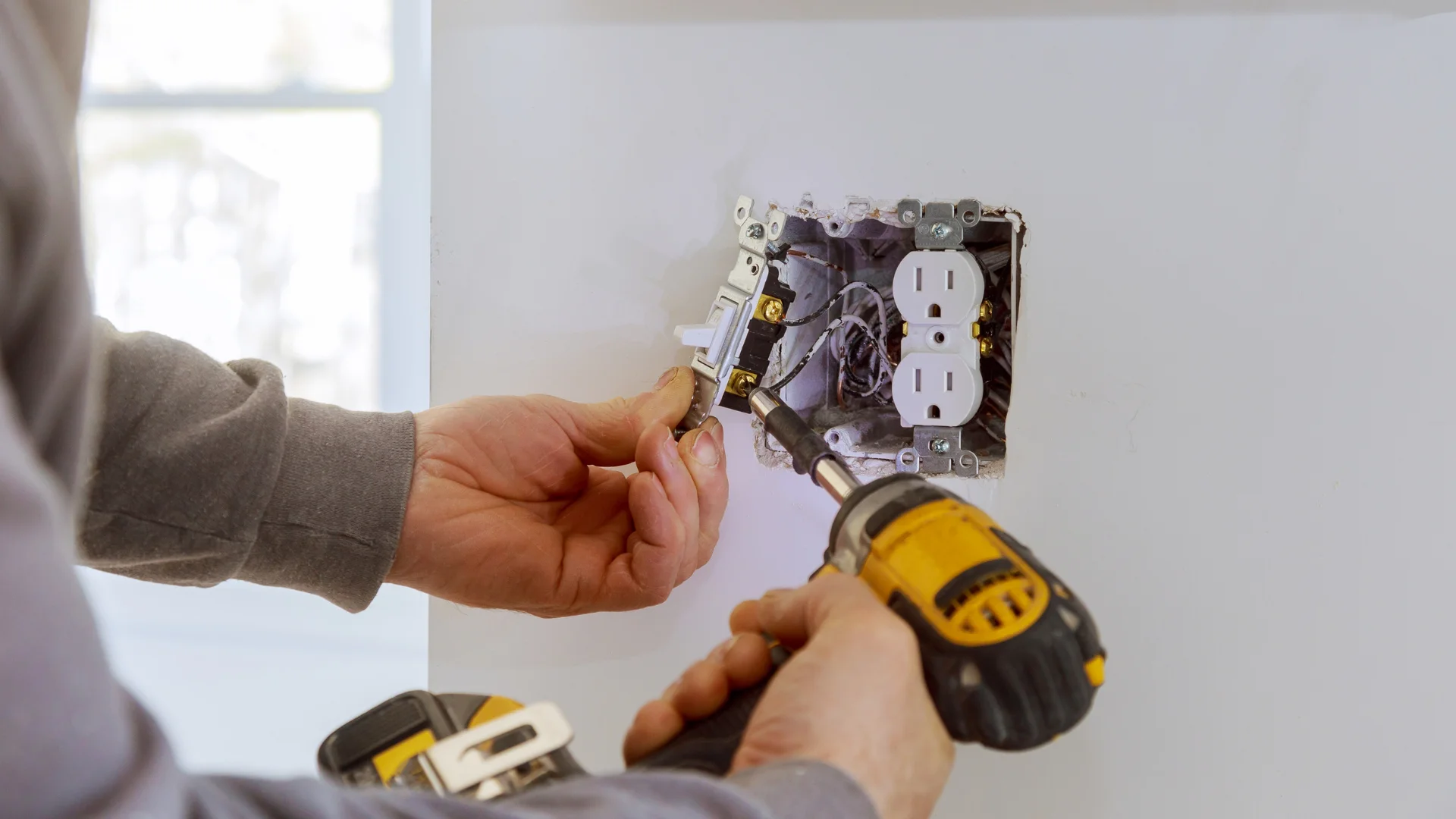
For example, upgrading old knob-and-tube wiring or replacing a worn-out roof reduces the chance of fire or water damage, which may lower your insurance costs. If you add a swimming pool or a backyard hot tub, your liability risk increases since guests could get injured. To reflect this, your insurance provider may raise your premiums.
Not all renovations will raise your insurance. Improvements that reduce the chances of damage or accidents can actually lower it. Here are a few examples:
These types of updates not only make your home safer, but they also actively lower the chances of future claims, which is something that can work in your favour when looking for cheaper homeowners’ insurance.
While some renovations can lower your premium, others may actually increase it. This can happen if upgrades raise the cost to rebuild your home or add new risks that your insurance provider may need to account for. Here are some common examples:
This list is not to discourage renovations, but simply meant to highlight the importance of keeping your insurer in the loop so your policy reflects your home’s true value and risks.
Yes, it’s always a good idea to notify your insurance company about renovations. For major projects that may require a building permit or bringing contractors into your home, you should contact your insurance provider before the work begins. For smaller updates, you can let them know once the project is finished. What happens if you don’t tell your insurance about renovations?
Neglecting to report renovations can leave your coverage outdated and your home underinsured. In the worst case, your insurance provider could potentially deny a claim or even cancel your policy for misrepresentation. To avoid this, be prepared to share details about the project, estimated or final costs, and photos once the work is complete.
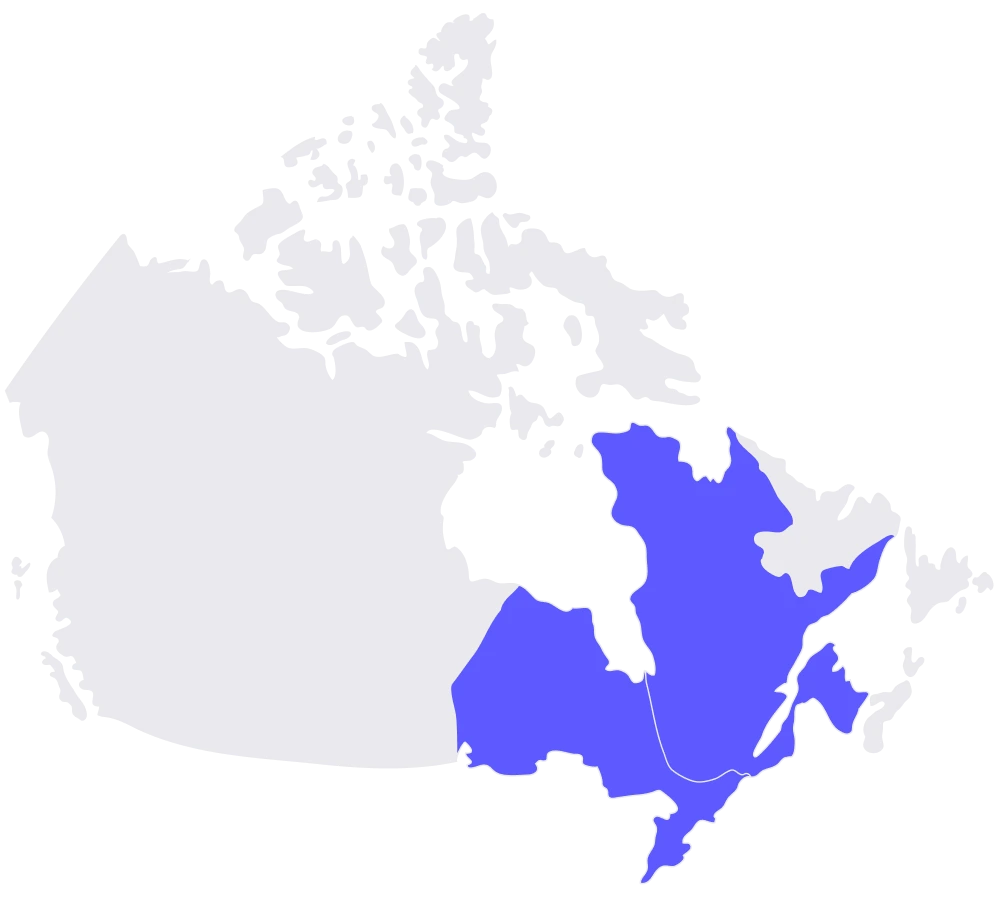
YouSet is a technology-driven insurance platform that simplifies buying and renewing insurance. Combining proprietary technology and the support of AMF and RIBO licensed brokers, we’re making it faster and easier to buy home and car insurance online from top insurers for less.





Get the best price year after year with price alerts at renewal. We’ll even re-shop to find you a better deal.