Tenant insurance

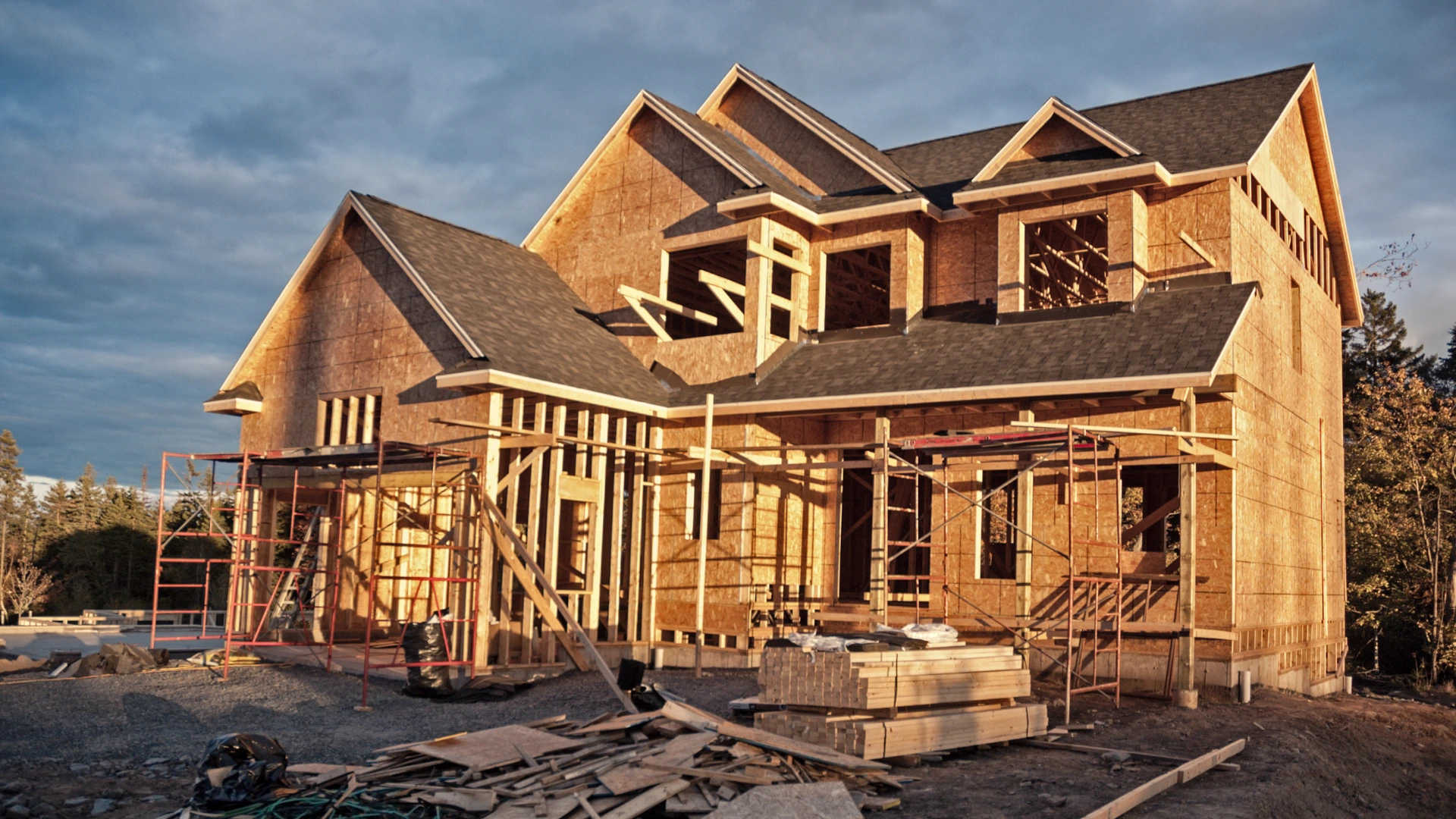
Do you know when your house was built? If you’re shopping for home, condo, or tenant insurance in Canada, there’s a good chance the insurance providers you’re considering (like YouSet!) will ask you this question.
Why? Every question insurers ask about you and your home helps them assess the level of risk they’re taking on, which will help them calculate your premium. It’s not the only factor, but it can be an important one.
“The year a home was built gives insurers insight into what materials and systems are likely inside,” says Channelle Cote, an AMF- and RIBO-licensed insurance broker at YouSet. “Older homes may be more likely to have outdated wiring, plumbing, or roofing, which can increase the risk of claims, so this detail helps insurers price coverage more accurately.”
So, what if you don’t know when your house was built or where to start looking for this information? The good news is that with a little investigation, it might be easier than you think to find out when your home was built in Canada.
In this article, we’ll show you how to find out when your house was built and where to look for clues about its history, because having this information is key to getting the most accurate quote at the best price.
Key takeaways
You can find out when your home was built by looking at:
A property land title or deed is a great place to start your search. This legal document outlines key details, such as who owns the property. It may also contain valuable information about the home’s history, including the year it was built.
It’s entirely possible that you already have this hidden in plain sight – in your purchase documents. Check your paperwork first. In many cases, your real estate agent, lawyer, or notary may have a copy from your home purchase.
No luck finding it? No problem. This document can typically be accessed through your province’s land registry office or municipal property records. The process of accessing these documents can vary, as some are readily available online, while others may be located in municipal archives.
Read the legal description of your property and take note of registration or transfer dates, or construction history such as structural changes, development dates, or other major updates. Some deeds will not have the construction year listed; however, you can always ask for previous building permits or records linked to the property land title, which can provide additional context.
Municipal property records will be very useful to your search. Most Canadian cities maintain archives of building permits, property tax assessments, and occupancy certificates.
Don’t get overwhelmed by the thought of skimming through multiple documents. Start with the original building permit, which will often outline the date construction began. If this isn’t available, try the occupancy certificate to know when your home was first approved as livable. You can also request past tax assessment rolls, confirming the first time your property was taxed as a structure.
Some municipalities, like those listed below, offer this information online, while others may prefer a paper trail, requiring you to get in touch via email or in person.
Did you know that your property tax assessment can tell you more than what you owe? Look for keywords such as “year built” or “effective year built”. If you don’t find those, look for the first year that the property was taxed as a structure. This might not be as accurate, but it’s a great indicator.
If you need a copy, you can usually access your property’s assessment through provincial or municipal websites, like these:
Real estate websites, like Realtor.ca and Zolo, are online platforms that showcase homes, condos, rental properties, and land that are listed for sale or lease. These listings include information about the property that may be important for your insurer to know, like square footage, electrical and plumbing information, and sometimes even the year the property was built.
Search for your home’s original online listing, and if it’s still accessible, look for “age of building” or “year built” in the details section. If it’s no longer available, you might try looking up a similar property on your street or in your building that’s recently been listed. Even though these are not official government records, it is a fast and practical way to estimate when your house was built.
Sometimes it’s best to get your information right from the source (A.K.A., the people who have lived there). Previous homeowners or neighbourhood veterans may have seen more than you think.
Don’t be shy to ask them if they recall when your house was built or major construction in the area. Depending on how long they’ve lived there, it’s also possible that they have old paperwork that might serve you, such as blueprints, plans, or renovation notices.
If you’re a renter, your property manager or landlord is your first point of contact and should be able to tell you when your place was built.
If they don’t already have the answer readily available, they may have access to the legal documents you need and might not see on your end as a tenant. Plus, opening a direct line of communication with your landlord or property manager helps build a good relationship and shows that you’re proactive about protecting the apartment you’re renting.
One of the perks of living in a condo is having a condo association to turn to for questions like this. Your condo association will have documents with pieces of crucial information that your insurer may ask for, like the original construction date, relevant renovations, and previous damage.
Remember, your condo association is there to support you as an owner. Don’t be shy to reach out and take advantage of their assistance.
If you’re wondering about how to find the history of your house, don’t overlook the physical details. Your house itself could be talking to you, giving you clues from the inside out. The architecture of your home, building materials, and other structural elements can give you a general time frame of when your house was built.
For example, houses built in the 1950s commonly display low-pitched roof lines and use a combination of brick and wood siding, as these were popular choices for exterior materials at the time. Beyond aesthetics, you can also look for construction features that hint at the era, such as knob-and-tube wiring, which was common pre-1950s.
Keep in mind that renovations can mimic structural and stylistic features, or even disguise them. A simple coat of paint or replacing door knobs can make an original part of the structure look newer than it actually is. If you have to rely on this method to estimate the year your house was built, consider hiring a professional such as a contractor, home inspector, or architect for more accurate insight.
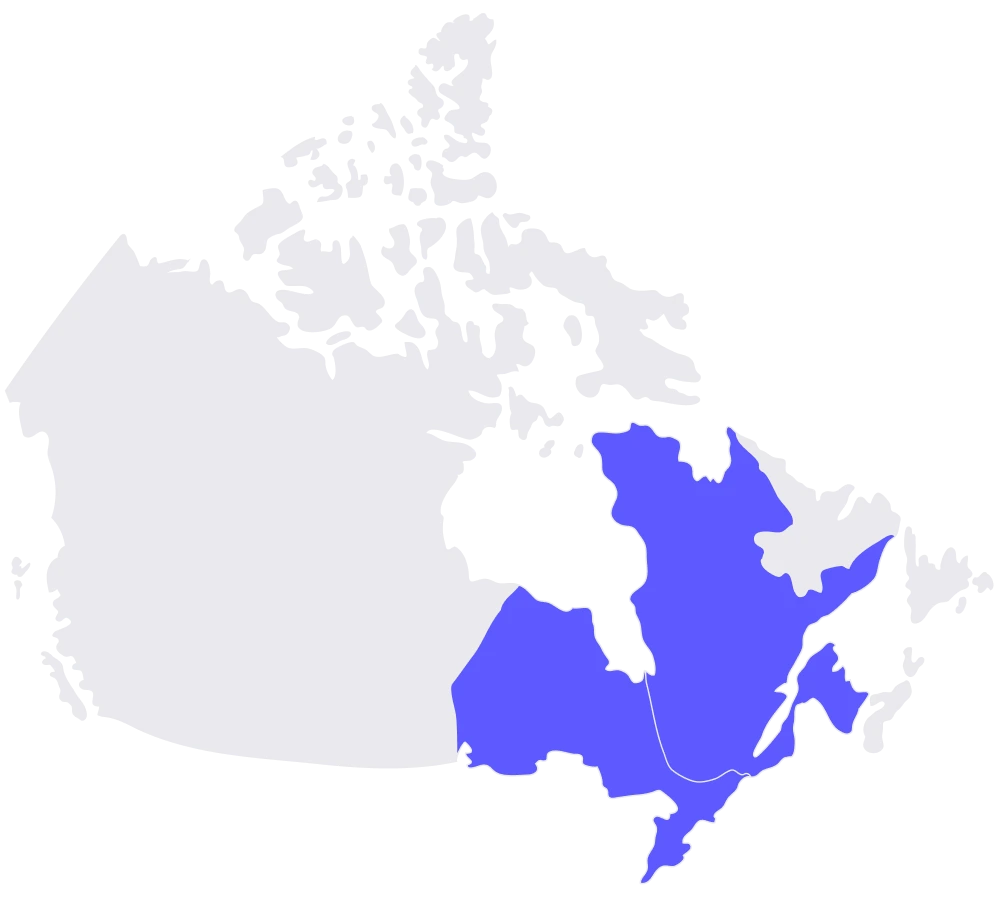
YouSet is a technology-driven insurance platform that simplifies buying and renewing insurance. Combining proprietary technology and the support of AMF and RIBO licensed brokers, we’re making it faster and easier to buy home and car insurance online from top insurers for less.





Either way, you win. Terms and conditions apply.*