Car insurance

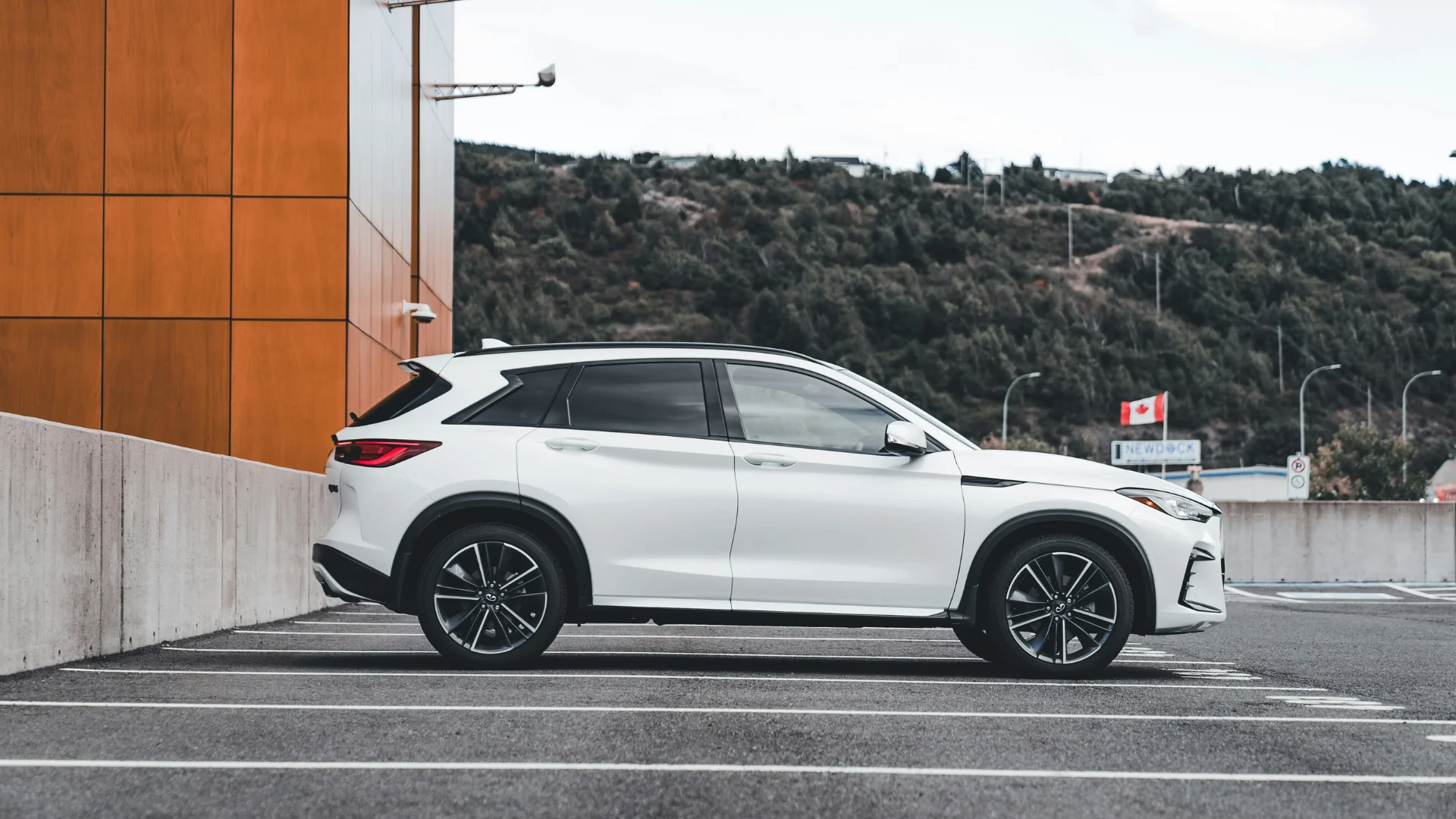
Leasing a car is a great way to drive a newer model without the long-term commitment of ownership, but it also comes with a few additional responsibilities, like making sure you have the right car insurance coverage. Unlike financing or buying a car outright, leased vehicles often come with specific insurance requirements set by the leasing company to protect their investment.
In this blog, we’ll break down the coverage you need, how to get it, and answer some commonly asked questions so you can stay protected throughout your lease.
Key takeaways
Leasing a car comes with additional insurance requirements. Here’s how to buy insurance for a leased car:
The biggest difference between purchasing insurance for a leased car vs. a car you own comes down to who actually owns the vehicle.
When you lease a car, the leasing company owns it, not you. Because of this, your lease agreement will likely include specific insurance requirements you must follow for the duration of the lease.
When you buy a car, whether you finance it or pay cash, you’re the legal owner and have more flexibility. While you need to meet your province’s minimum insurance requirements, the coverage, limits, and deductibles are entirely up to you.
When you lease a vehicle, you are contractually obligated, as stated in your lease agreement, to maintain car insurance for the duration of your lease. In that document, you will typically find a list of insurance requirements for leased vehicles, which will look something like this:
A basic policy that meets only the provincial minimum coverage is usually not enough to satisfy these requirements. Leasing companies generally require more coverage, given the financial risk a leased vehicle represents to the finance company.
While insurance requirements are fairly consistent across most car manufacturers in Canada, some companies have minor variations or additional endorsements.
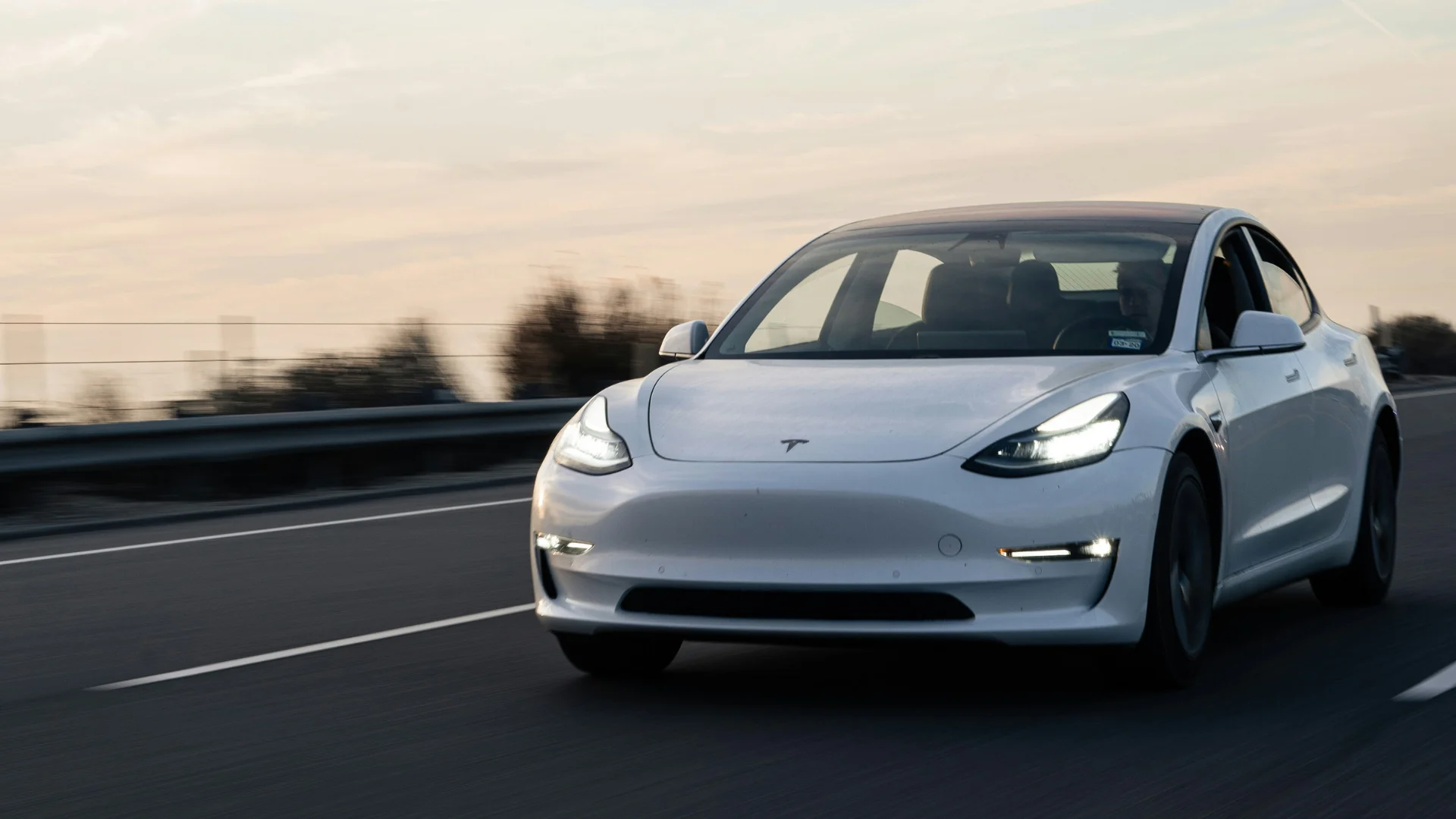
For example, leased Teslas in Canada require cover for at least $50,000 in property damage, $300,000 for bodily injuries to any one person, $500,000 for any one accident, and physical damage insurance for the full value of the vehicle.
So, be sure to confirm the specific insurance requirements for your vehicle in your lease agreement or on your finance company’s website.
Buying insurance for a leased car isn’t all that different from buying it for a vehicle you own. You just need to be a bit more careful when it comes to the types of coverage, coverage limits, and deductible amounts. Since your lease agreement sets specific requirements, you’ll need to ensure your policy checks every box before you start driving. Here’s how to do so:
Leasing a car can make driving a new vehicle more affordable, but it comes with additional insurance requirements. Here are answers to some of the most commonly asked questions about insuring a leased vehicle:

YouSet is a technology-driven insurance platform that simplifies buying and renewing insurance. Combining proprietary technology and the support of AMF and RIBO licensed brokers, we’re making it faster and easier to buy home and car insurance online from top insurers for less.





Buying insurance doesn’t have to be so hard. Just ask YouSet’s 400,000+ users.
Great communication, and was easily able to get a good quote.
Very fast and easy. Completed my home insurance purchase in less than 24h.
Fast and efficient. Followed up with me via text and was also available by phone if I wanted to call.
I had already looked for my insurance renewal and thought I had found a good deal. YouSet found an equivalent solution at $400 cheaper.
Efficient, responsive broker that gets you good rates, instead of waiting forever to talk to someone.
I’m always saving money with these guys. They find the best prices on the market.
Easy to buy car insurance. Perfect for a busy person like me.