Car insurance


Picture this: it’s the middle of winter, you’re heading home after work, and your car won’t start in a freezing parking lot. What do you do?
Situations like this are more common than you might think, and they rarely happen at a convenient time. That’s where roadside assistance comes in. It gives you peace of mind that if something goes wrong, whether close to home or miles away on a road trip, help is just a call away to get you back on the road or safely to a repair shop.
In Canada, there are a few different ways to get this coverage: adding roadside assistance to your car insurance policy or signing up for a membership. In this blog, you’ll learn whether roadside assistance is included in car insurance, what it typically covers, and who should get it.
Key takeaways
Roadside assistance is not typically included in standard car insurance policies. You can add it as an endorsement or purchase a separate membership to cover things like towing, battery boosts, and lockouts.
Car insurance policies in Canada don’t automatically come with roadside assistance. Some insurers offer it as an optional add-on, but it’s not a standard inclusion like third-party liability is.
Roadside assistance is usually offered as an optional add-on or endorsement, rather than something automatically included in your policy. While it does come at an added cost, it is often comparable to a dedicated roadside assistance service or membership and will cover expenses related to roadside assistance, like towing or lockout assistance.
Roadside assistance coverage is designed to help you get back on the road quickly when your vehicle breaks down or becomes undrivable. While every insurer is slightly different, most plans include support for common, unexpected situations. This typically includes:
“Coverage can vary between insurers, so it’s important to check things like towing limits and the number of service calls included,” says Channelle Cote, AMF- and RIBO-licensed broker at YouSet.
Roadside assistance isn’t a substitute for full vehicle repairs or ongoing maintenance. Some services that aren’t included are:
Roadside assistance can either be added directly to your auto insurance policy or purchased as a separate membership through a third-party provider. When included as an insurance add-on, it’s tied to your policy and billed through your insurer, making it a convenient, all-in-one option.
Membership programs, on the other hand, operate independently and offer different plan options to choose from. While service networks for both options may overlap, access rules, response priority, and limits can vary. Before choosing a roadside assistance program, it can be helpful to check:
Before you start comparing, though, check if you already have coverage. If you’ve recently bought or leased a new car, your manufacturer’s warranties may include roadside assistance for a set period of time or kilometres.
Roadside assistance can be useful for any driver, but it’s most valuable for those who tend to run into issues on the road.
For example, if you have an older car, you might be more prone to breakdowns due to wear and tear. If you frequently drive long distances or travel through unfamiliar areas, having access to roadside support can give you peace of mind.
If you live and drive a lot in harsh, cold weather conditions, like Montreal, you’re also at a higher risk of battery or tire issues. And if you don’t have easy access to help from friends, family, or nearby services, roadside assistance can act as a reliable backup.
In these situations, having roadside assistance means you won’t be left stranded if something goes wrong.
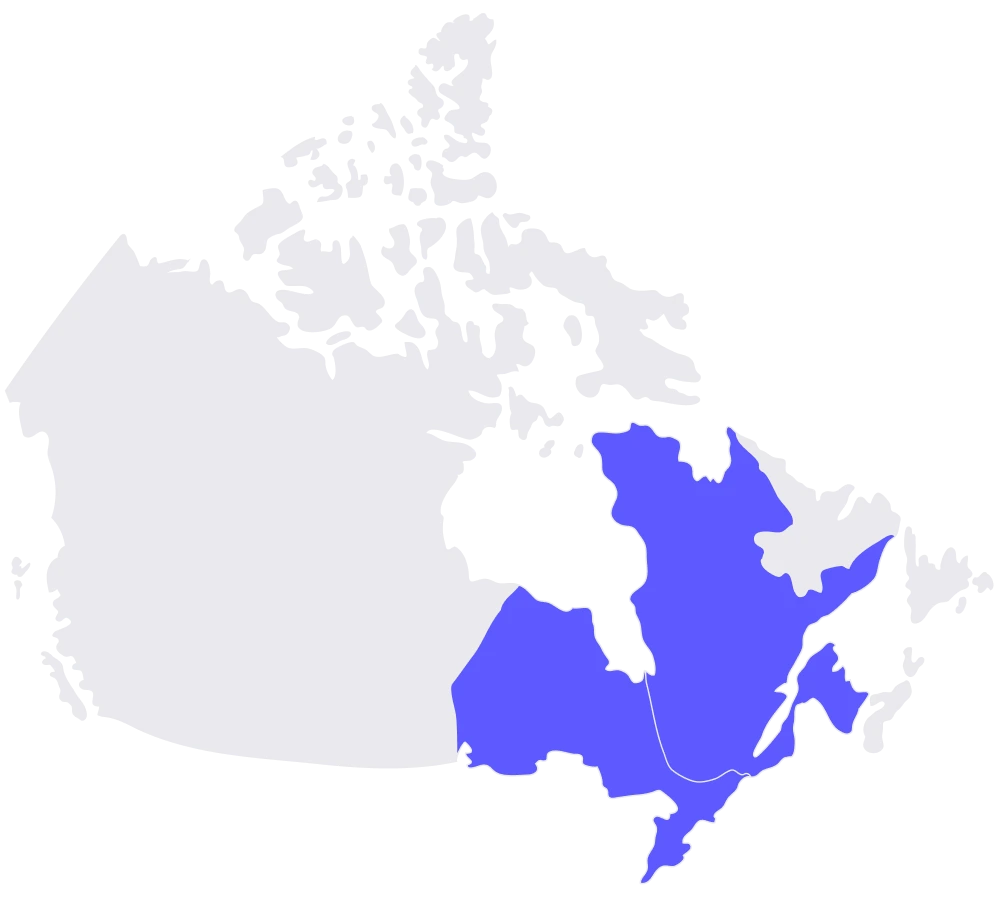
YouSet is a technology-driven insurance platform that simplifies buying and renewing insurance. Combining proprietary technology and the support of AMF and RIBO licensed brokers, we’re making it faster and easier to buy home and car insurance online from top insurers for less.





Our algorithms do the hard work comparing policies and prices from Canada’s top providers.