Car insurance

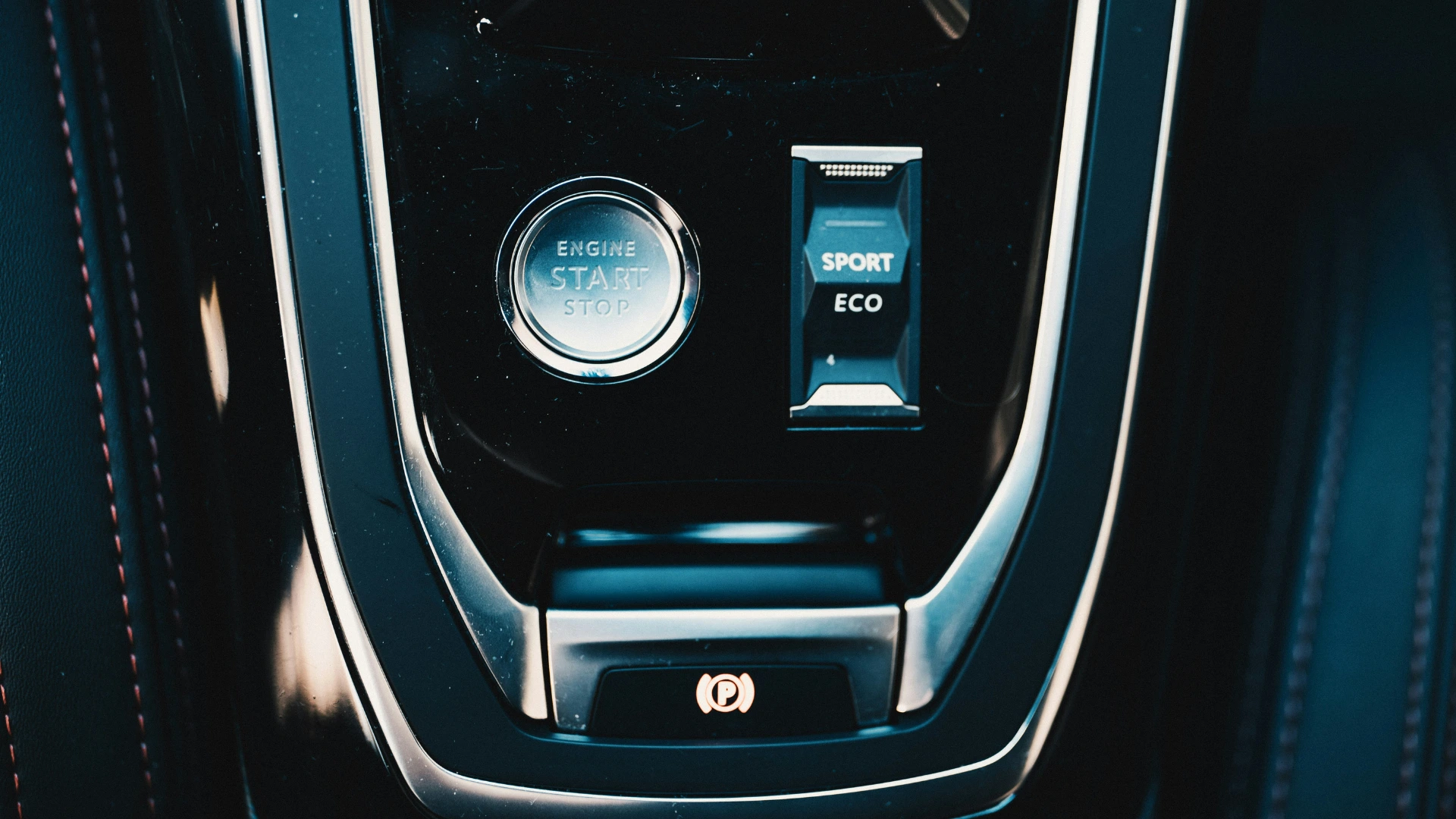
Keyless car theft has been on the rise across North America in recent years, quickly becoming one of the most common ways vehicles are stolen. In many cases, it happens in seconds, right outside your home, with no signs of forced entry. In fact, 9 out of 10 of the most stolen cars in 2024 had keyless entry or push-to-start systems.
While these features are designed for convenience, they can also make vehicles more vulnerable if the right security measures aren’t in place. The good news? There are simple, effective ways to reduce the risk of car theft.
In this guide, you’ll learn how keyless car theft works, which vehicles are most commonly targeted, and the simple steps you can take to protect your car.
Key takeaways
The most commonly stolen cars in Canada have keyless entry or push-to-start systems, making them easier targets for relay attacks. Taking a few simple precautions can significantly reduce your risk. Protect your car by:
Keyless car theft is closely tied to the types of vehicles being targeted. In 2024, the top 10 most stolen cars in Canada were:
Among these vehicles, approximately 9 out of 10 of the most stolen models are from years when keyless entry and/or push-to-start systems came standard or were widely available, especially in mid-to-high trims. Keyless entry is designed for convenience, allowing vehicle owners to unlock and start their cars without removing the key from their pocket, but it can also make vehicles more vulnerable to relay attacks if not properly protected.
Keyless entry isn’t the only reason why these cars are targeted, but it is a consistent feature among the most stolen vehicles.
Keyless car theft has become so common largely because of how easy it is to do, often without any visible signs of a break-in.
One of the most widely used methods of keyless car theft is relay theft, in which thieves use electronic devices to capture and extend your key fob’s signal, even if your keys are inside your home. Typically, one device is placed near your front door to pick up the signal, while the other is held near your car to trick it into thinking the key is present. From there, the car unlocks and can be started without any break-in or forced entry, allowing thieves to drive away.
Relay theft isn’t the only tactic used, though. Thieves in Canada can also steal keyless cars by reprogramming keys through the vehicle’s diagnostic port (known as an OBD attack), use signal jamming devices to prevent your car from locking, or take advantage of weaker factory security systems, especially in older keyless vehicles.
No matter the method used, thieves can steal keyless vehicles without physically breaking in or even triggering the alarm.
As keyless car theft has increased, car manufacturers have begun implementing security measures to improve vehicle security. A major turning point came in 2022, when a spike in car theft was driven by viral social media videos known as the “Kia Challenge.” These videos showed how certain vehicles could be stolen easily, leading to a surge in thefts and putting pressure on manufacturers to respond.
In the US, both Hyundai and Kia introduced new anti-theft measures in response. Hyundai launched an anti-theft software upgrade program, which updated the alarm system with an ignition kill feature, meaning the car can’t be started unless the key fob is used to unlock it. Kia implemented similar security software updates, along with physical reinforcements, such as ignition cylinder protectors and steering wheel locks, for vehicles that couldn’t receive the software upgrade.
Both brands have faced lawsuits and regulatory pressure related to theft-prone vehicles. In 2025, a class action lawsuit was also filed in Quebec against several automakers, including Ford, alleging that key fob signals are too easily intercepted by thieves.
Although these car brands have implemented stronger security features, improvements vary significantly by manufacturer and model year, leaving older keyless vehicles especially vulnerable.
To reduce the risk of car theft, aim to make your vehicle harder to access and less attractive to opportunistic thieves. There’s no single solution; instead, combine multiple layers of protection to reduce the chances of theft.
The better protected your car is, the lower your overall risk, and in some cases, your insurance premium may reflect that. As Channelle Cote, AMF- and RIBO-licensed insurance broker at YouSet, explains, “Some anti-theft features can help lower your premium, but more importantly, they reduce your risk of filing a claim in the first place. The more protected your vehicle is, the less attractive it becomes to thieves.”
Try these car theft prevention measures to reduce the chances of your car being stolen.
A Faraday pouch blocks your key fob’s signal, preventing thieves from capturing and amplifying it for a relay attack.
Storing your keys farther from your front, back, or garage door makes it harder for thieves to pick up the signal outside your home.
A physical deterrent, like a steering wheel lock, makes it difficult for thieves to drive away, even if they gain access to your vehicle.
Some vehicles let you disable your key fob’s wireless signal, reducing the risk of someone using signal amplification. Check your vehicle’s manual or contact the manufacturer to check if you can do this.
While it won’t prevent theft, tracking devices can help you locate and recover your vehicle quickly if it’s stolen. Some advanced systems also offer real-time alerts and immobilization features.
Parking in a locked garage adds both distance and a physical barrier, making it more difficult for thieves to access your car or relay your key fob’s signal. If you have a camera or garage door security system, it can further deter thieves while alerting you to any suspicious activity.
Manufacturers regularly release updates to improve system security, so keeping your vehicle’s software up to date can help protect against the latest theft methods.
YouSet is a technology-driven insurance platform that simplifies buying and renewing insurance. Combining proprietary technology and the support of AMF and RIBO licensed brokers, we’re making it faster and easier to buy home and car insurance online from top insurers for less.





Get the best price year after year with price alerts at renewal. We’ll even re-shop to find you a better deal.