Car insurance


Accidents happen, even to the most careful of renters. A sink gets left on. A candle lights a curtain on fire. A heavy object falls off a shelf and damages the floor. In the hustle and bustle of daily life, mishaps can occur, leading to damage to your rented space.
This begs the question: does tenant insurance cover damage to your landlord’s property?
In this article, you’ll not only find out the answer to that question, but you’ll also find a list of things you can proactively do as a renter to help prevent damaging your landlord’s property. Let’s begin.
Key takeaways
Tenant liability insurance is a standard coverage included in tenant insurance policies that covers damage to your landlord’s property if it is accidental, unpredictable, or unexpected.
Yes, tenant insurance covers damage to your landlord’s property, but only under specific circumstances:
If your insurer finds all that to be true, your tenant liability coverage would step in to help cover the costs of repairing the damage. Fortunately, this is one of the three standard coverages included in all tenant insurance policies in Canada, along with contents insurance and additional living expenses. It protects you against damage you may unintentionally cause to someone and/or to their belongings.
So, let’s say you say you’re cooking dinner in your rental unit and you accidentally leave the stove on, causing a fire that damages the walls, cabinets, countertops, and ceiling in the kitchen. When you call to file a claim, your insurance company will thoroughly investigate to verify that the fire and its resulting damage were unintentional. Once they have, you will receive compensation to repair the damage caused to your landlord’s property by the fire.
On the other hand, if the damage to your landlord’s property is caused by normal wear and tear or negligence, tenant insurance will not pay for the repairs. In those cases, you will likely be held solely responsible for the necessary repair costs. Failure to do so could result in your landlord filing a claim against your security deposit or pursuing legal action to recover the costs, so always be sure to promptly address any damages or issues that arise during your tenancy to avoid such situations.
As a renter, you want to minimize any potential damage to your landlord’s property whenever possible. Fortunately, there are many things you can proactively do to protect your rental unit from damage and yourself from the potential financial repercussions, including:
As you’re cleaning once a month, take a few extra minutes to check your rental unit for any potential issues. Look for signs of water damage, leaks, mold growth, or pest infestations. If you find any that concern you, bring it to the attention of your landlord immediately.
Any appliances that come with your rental unit are considered your landlord’s property, so take precautions when using things like stoves, ovens, and microwaves to prevent accidental damage. For example, avoid overloading washing machines and dishwashers, and clean lint traps in dryers regularly to prevent fire hazards.
Water damage can be a serious and costly problem for renters and landlords alike. That’s why you want to handle all plumbing and fixtures in your rental unit with extra care. Here are a few ways you can do that:
Thousands of products exist for the sole purpose of preventing damage to homes and rental units. If you’re keen on preventing damage to your landlord’s property, it might be worth investing in a few, such as:
Removing dirt, grime, and debris is something all renters should already do on a regular basis. Not only is it part of being a good, responsible tenant, but it can help prevent unnecessary damage to your landlord’s property. For example, vacuuming and mopping can prevent scratches and stains on floors, while cleaning metal surfaces and fixtures can prevent them from rusting and prematurely deteriorating.
As soon as you notice any issues concerning the physical structure of your rental unit or its fixtures and fittings, report it to your landlord immediately. The quicker you report such issues, the sooner they can be addressed, which is important if you want to prevent minor concerns from becoming major problems.
Yes, tenant insurance covers damage to your personal property so long as it is caused by a peril listed in your policy, such as a fire or break-in. If such an event were to happen, your personal belongings coverage (another standard inclusion in Canadian tenant insurance policies) would reimburse you for the cost of repairing or replacing your items, up to your policy’s coverage limits.
If normal wear and tear or negligence is to blame for the damage to your personal property, though, it is unlikely that insurance will cover any repair or replacement costs. For this reason, consider setting money aside for such situations if your financial situation allows you to do so.
While there’s a lot you can do as a renter to prevent damage from happening to your landlord’s property, sometimes accidents occur that are beyond your control. When that happens, having tenant insurance offers the peace of mind you need. Fortunately, with YouSet, protection doesn’t have to cost a lot either, with tenant insurance policies starting at just $12 a month.
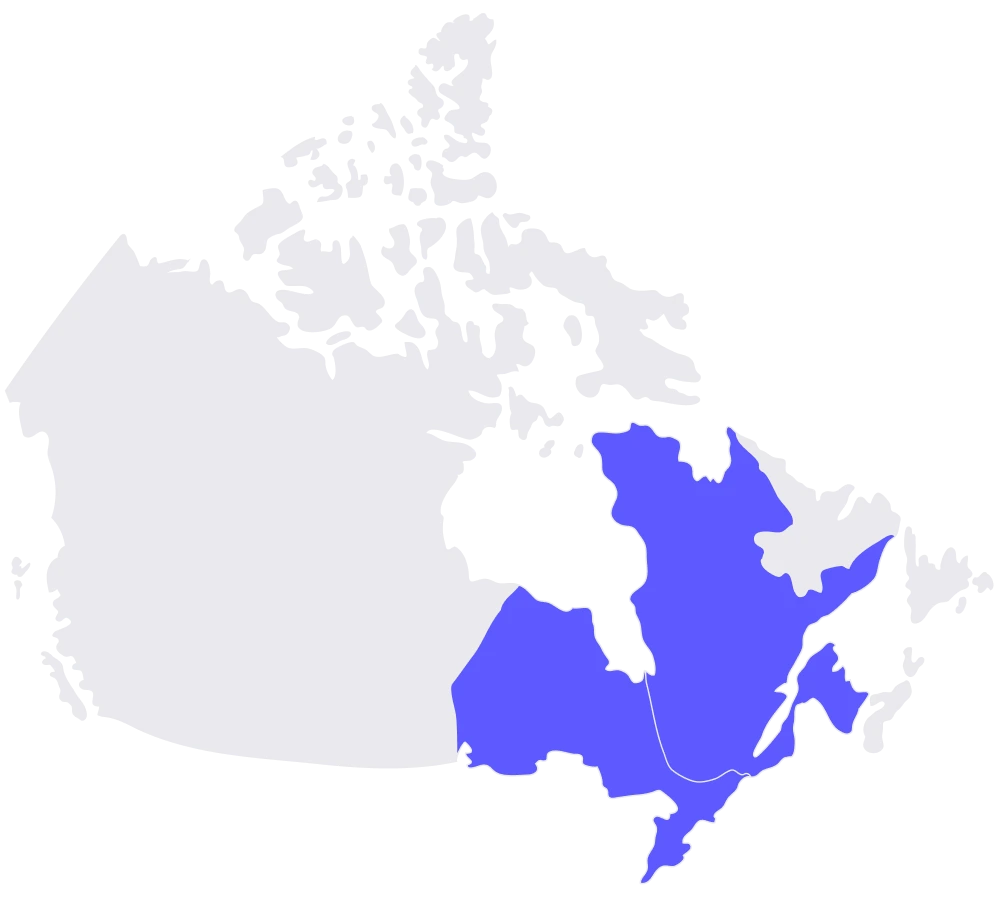
YouSet is a technology-driven insurance platform that simplifies buying and renewing insurance. Combining proprietary technology and the support of AMF and RIBO licensed brokers, we’re making it faster and easier to buy home and car insurance online from top insurers for less.





Get the best price year after year with price alerts at renewal. We’ll even re-shop to find you a better deal.