Car insurance


In Canada, tenant insurance policies cover some types of water damage, provided the incident is sudden and accidental. While you may be protected if your belongings are damaged by unexpected leaks, bursts, or overflows, it’s important to understand that this coverage isn’t all-encompassing. Oftentimes, additional coverage is needed, and some types of damage simply won’t be covered.
In this article, we’ll help you understand which water damage scenarios are typically covered by tenant insurance, which are not, and which require additional coverage.
Remember that this information is for general guidance and that what’s covered can vary by policy and insurer. So, always review your tenant insurance policyto understand what is and isn’t covered, and contact your insurance company or broker for clarification if needed.
Key takeaways
Tenant insurance in Canada typically covers sudden, accidental water damage. Ongoing, preventable, or certain types of flooding usually require additional coverage, but the types of water damage that are typically included are:
Tenant insurance typically covers water damage when it’s unexpected and unpredictable. This means it needs to have happened suddenly, without warning, and nothing could have been done to prevent it. The types of water damage that can fall into this category and are typically covered by tenant insurance include:
If a fire breaks out in your apartment or rental unit, the water used by firefighters to extinguish the flames can cause significant damage to your personal belongings, often amounting to hundreds or even thousands of dollars. Since this kind of water damage is incidental to another emergency, your insurance will often cover the costs to repair or replace any items that were lost or damaged in the process.
If a pipe bursts or you experience a sudden plumbing failure, tenant insurance will typically cover the damage to your belongings. While much of the responsibility for preventing such issues lies with your landlord, there are several proactive steps you can take as a tenant to minimize the risk. These include regularly checking for leaks, keeping your home adequately heated during cold weather, and promptly reporting any maintenance concerns to your landlord.
If a toilet overflows due to an unforeseen blockage or malfunction, the damage to your personal belongings is typically covered. However, it’s crucial to understand that failing to inform your landlord about any issues with the toilet(s) in your rental unit could lead to your claim being denied. Therefore, always notify your landlord as soon as you notice a problem and keep documentation of your communications and any repairs made. This proactive approach will help strengthen your case if you ever need to file a claim.
If an appliance, such as your dishwasher, washing machine, or water heater, suddenly malfunctions and damages your belongings in your rental unit, you’ll typically be covered by your tenant insurance. That being said, if the malfunction stems from a lack of maintenance or if the appliance is old and in disrepair, your claim may be denied. So do what you can to keep your appliances in good working condition and promptly address any signs of wear or malfunction with your landlord.
Assuming your tenant insurance covers a particular type of water damage can lead to unexpected financial setbacks if it turns out it doesn’t. To keep this from happening, let’s review the most common and highly recommended optional water damage coverages and what they cover.
As a result of natural causes like rapid snowmelt, heavy rainfall, or river overflow, water may enter your rental unit and damage your belongings, especially if you live in a basement apartment. If this were to happen, you would need to have opted into and added overland water coverage to your policy to be covered.
If water were to get into your rental unit from above, such as through a leaky roof or overflowing eavestroughs, and damage your property, you would likely not be covered unless you had added above-ground water coverage to your policy.
Water damage resulting from a backed-up sewer line or drain is generally not covered by tenant insurance. So, if you want to protect your personal property from damage caused by sewage or wastewater, you’ll need to include sewer backup coverage in your policy.
When it comes to insurance, there are always certain exclusions to keep in mind. In the case of water damage, the most common exclusions typically have to do with negligence, intentional damage, or maintenance issues.
If you fail to take proper care of your rental unit and it results in water damage to your belongings, tenant insurance will not cover the costs. Insurers consider this avoidable damage, meaning if the damage results from your failure to address an issue, such as a known leak, the claim may very well be denied.
Tenant insurance does not cover the cost of repairing the plumbing system or the source of the water issue itself. Any structural or mechanical repairs, such as fixing broken pipes or addressing faulty installations, are typically the responsibility of the landlord.
Mold caused by long-term moisture issues, such as a slow leak that you didn’t inform your landlord about, is not covered by tenant insurance. Only mold that develops from a sudden and covered water event may be covered by your policy.
Water damage caused by intentional, malicious, or reckless behaviour will never be covered by insurance. Tenant insurance policies are designed to protect against accidental and unforeseen incidents, not deliberate harm.
While tenant insurance covers many types of sudden and accidental water damage, it’s important to identify any gaps in your coverage. If those gaps leave you feeling uneasy, the additional types of water coverage discussed above can provide the extra protection you want and need. Wondering how much extra coverage will cost? Find out in less than four minutes with YouSet.
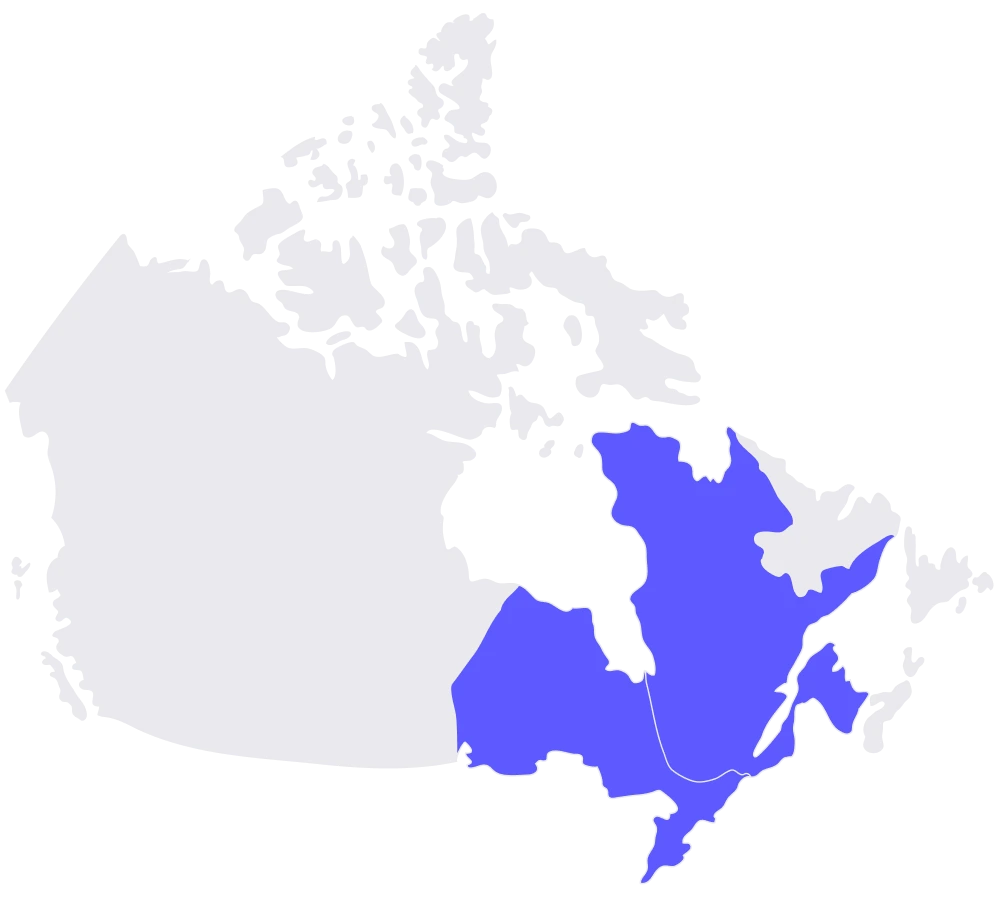
YouSet is a technology-driven insurance platform that simplifies buying and renewing insurance. Combining proprietary technology and the support of AMF and RIBO licensed brokers, we’re making it faster and easier to buy home and car insurance online from top insurers for less.




Get the best price year after year with price alerts at renewal. We’ll even re-shop to find you a better deal.