Car insurance


Making your final car payment can feel like a huge relief. Not only are you saying goodbye to a monthly loan payment, but YouSet’s data suggests owning your car outright may come with another financial benefit: cheaper car insurance.
According to YouSet’s 2026 car insurance pricing report, Quebec drivers with paid-off vehicles had a median premium of just $63 per month, compared with $174 for leased vehicles and $176 for financed vehicles. That’s a difference of more than $1,300 per year.
But paying off your car doesn’t automatically trigger a huge insurance discount. We dive into some of the factors that may help explain the gap, including differences in coverage requirements, vehicle age and value, and more.
Key takeaways
Among YouSet applicants in Quebec, paid-off vehicles had by far the lowest median car insurance premium of the three ownership types analyzed.
| Purchase Type | Low | Median | High | Difference vs. Paid-Off |
| Owned (Paid) | $24 | $63 | $184 | – |
| Leased | $90 | $174 | $327 | +$1,332/year |
| Financed | $85 | $176 | $343 | +$1,356/year |
The difference between leased and financed vehicles was minimal, with the median premiums being separated by just $2 per month, or $24 per year.
Paid-off vehicles had much lower median premiums than leased or financed vehicles. The median premium was $63 per month for paid-off vehicles, compared with $174 for leased vehicles and $176 for financed vehicles. That’s a difference of $111 per month ($1,332 per year) for leased vehicles and $113 per month ($1,356 per year) for financed vehicles.
That said, paying off the same vehicle won’t automatically lower your premium from $174 or $176 to $63 per month. These figures represent different groups of applicants and vehicles. Factors such as vehicle age, value, coverage, driving history, and other characteristics may differ between the groups.
YouSet’s data shows a strong association between vehicle ownership and insurance costs, but it doesn’t mean paying off a vehicle will automatically lower your premium.
There are several differences between paid-off, financed, and leased vehicles that can explain the gap.
One of the biggest differences is how much control you have over your insurance coverage.
In Quebec, car insurance must have at least $50,000 in civil liability coverage, but the law doesn’t require you to purchase collision or comprehensive coverage, which covers things like damage or theft to your own vehicle. However, if you leased or financed your vehicle, the lender or lessee will likely require you to have full comprehensive and collision coverage.
Once you own your vehicle outright, there’s no longer a lender or leasing company with a financial interest in it. As long as you meet Quebec’s legal insurance requirements, the coverage, limits, and deductibles are generally entirely up to you.
YouSet’s data shows how much coverage choices can impact the price of car insurance:
| Coverage Type | Monthly Median |
| Liability-only | $36 |
| Liability + comprehensive | $56 |
| Liability + collision | $94 |
| Liability + collision + comprehensive | $153 |
Applicants with liability, collision, and comprehensive coverage had a median premium of $153 per month, compared with just $36 per month for liability-only coverage, a difference of $117 per month.
However, that doesn’t mean dropping collision and comprehensive coverage once your vehicle is paid off would automatically save you $117 per month, since the drivers and vehicles within each coverage group may differ. Still, coverage choices may help explain some of the gap between paid-off and leased or financed vehicles.
Another likely difference between the groups is the vehicles themselves.
Someone who has finished paying off a car may have owned it for several years, meaning that paid-off vehicles may include older, lower-value cars. A financed or leased vehicle, however, may be newer and worth more.
YouSet’s data shows that new vehicles had a median insurance premium of $152 per month, compared with $94 for used cars, a difference of $58 per month or $696 per year.
Vehicle value matters because insurers consider the potential cost of a claim when calculating a premium. This means that a vehicle with a lower market value may cost less to replace after a total loss than a newer, more expensive one.
When you finance a vehicle, the lender has a financial interest in it until the loan is repaid, while with a lease, the leasing company owns the vehicle outright.
That’s why financing and lease agreements can require more insurance beyond Quebec’s legal minimum. If the vehicle is stolen or written off, the lender or lessee is protected financially.
Then, once a car is paid off, those contractual requirements disappear. You can review your policy based on your own needs, the vehicle’s current value, and how much financial risk you’re comfortable taking on.
Quebec imposes a legal minimum insurance requirement regardless of whether you own, finance, or lease your car.
Quebec’s public auto insurance plan (the SAAQ) provides compensation for bodily injury or death resulting from traffic accidents. Vehicle owners must also have a private insurance policy with at least $50,000 in civil liability coverage, which covers property damage you may cause to others.
Insurance for damage to your own vehicle is different. Quebec law doesn’t require you to buy it, but financing or long-term lease agreements typically require coverage for damage to or theft of the vehicle.
Financed or leased car insurance requirements can be considerably higher than the Quebec minimum, and may differ by manufacturer.
For example, Tesla’s Canadian lease requirements include physical damage insurance for the vehicle’s full value and a maximum deductible of $1,000. Similarly, Ford Credit requires at least $1 million in third-party liability coverage, along with collision, all perils, and comprehensive coverage with a deductible of up to $1,000.
No, paying off your car doesn’t automatically lower your insurance premium.
Finishing your loan doesn’t suddenly change your driving history, claims record, address, vehicle make and model, repair costs, or theft risk. Your insurer will continue to consider these and other factors when calculating your premium.
What does change is your flexibility. Once there’s no longer a lender or lessee with a financial interest in your vehicle, you’ll have more freedom to change optional coverage, adjust your deductible, or modify your policy based on your needs, meaning your premium may go down.
You’re not legally required to keep collision and comprehensive coverage once you own your vehicle outright in Quebec. However, that doesn’t mean dropping them is the right choice.
Before changing your coverage, consider:
If you own an older vehicle and you have the savings to replace a totalled car, you may want to drop the optional coverage. On the other hand, if your vehicle is newer, you live in a higher-risk environment, or lack the emergency funds to buy a replacement car, you may want to keep the coverage.
Paying off your vehicle can be a good opportunity to review your coverage, even if it doesn’t automatically lower your premium.
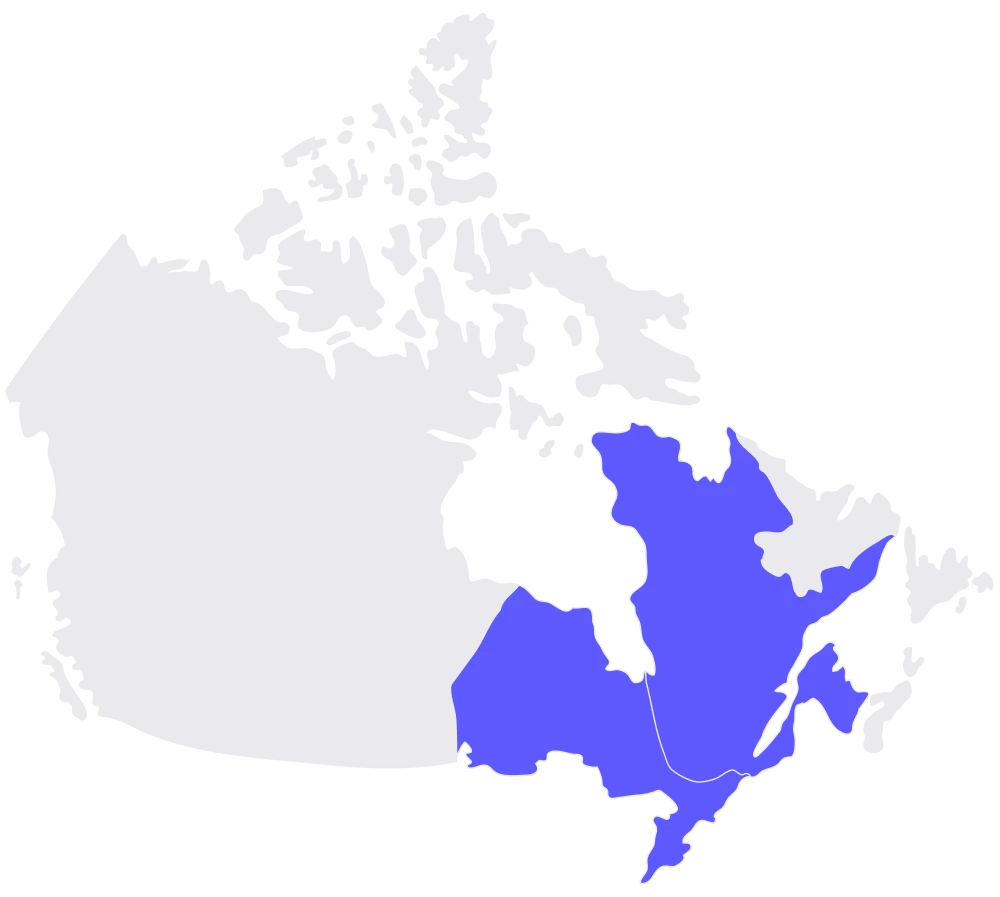
YouSet is a technology-driven insurance platform that simplifies buying and renewing insurance. Combining proprietary technology and the support of AMF and RIBO licensed brokers, we’re making it faster and easier to buy home and car insurance online from top insurers for less.



Get the best price year after year with price alerts at renewal. We’ll even re-shop to find you a better deal.