Tenant insurance


Apartment break-ins are a common concern for renters, especially for those living alone or in large, busy cities like Toronto or Montreal. They can be unsettling and expensive, but knowing how likely apartment break-ins are, how to spot the signs, and what steps to take afterward is the first step to feeling more secure in your space.
But what if an apartment break-in has already happened? Then what do you do? In that case, tenant insurance plays an important role in protecting you financially, while there are also practical steps you can take to feel secure again and regain peace of mind.
In this article, you’ll learn how to assess and understand risk factors, what to do if you suspect your apartment was broken into, and how to protect your space going forward.
Key takeaways
Apartments are generally less likely to be broken into than single-family homes due to added security features like controlled entry, cameras, and on-site staff. However, break-ins can still happen, especially in ground-floor or basement units. If your apartment is targeted, here’s what to do:
Generally speaking, apartments are less likely to be broken into than single-family homes because they often have enhanced security measures in place, such as on-site staff, controlled entry, intercoms, and cameras.
However, break-ins can and do still happen in apartments, particularly in buildings with shared entrances and minimal security features. Ground-floor and basement units are more vulnerable, as are apartments in areas with higher reported crime or buildings without working cameras or secure locks.
On a positive note, Statistics Canada reported an 11% drop in breaking and entering incidents in 2024. Still, it remained the most impactful property crime in Canada that year, accounting for 13% of the overall Crime Severity Index (CSI).
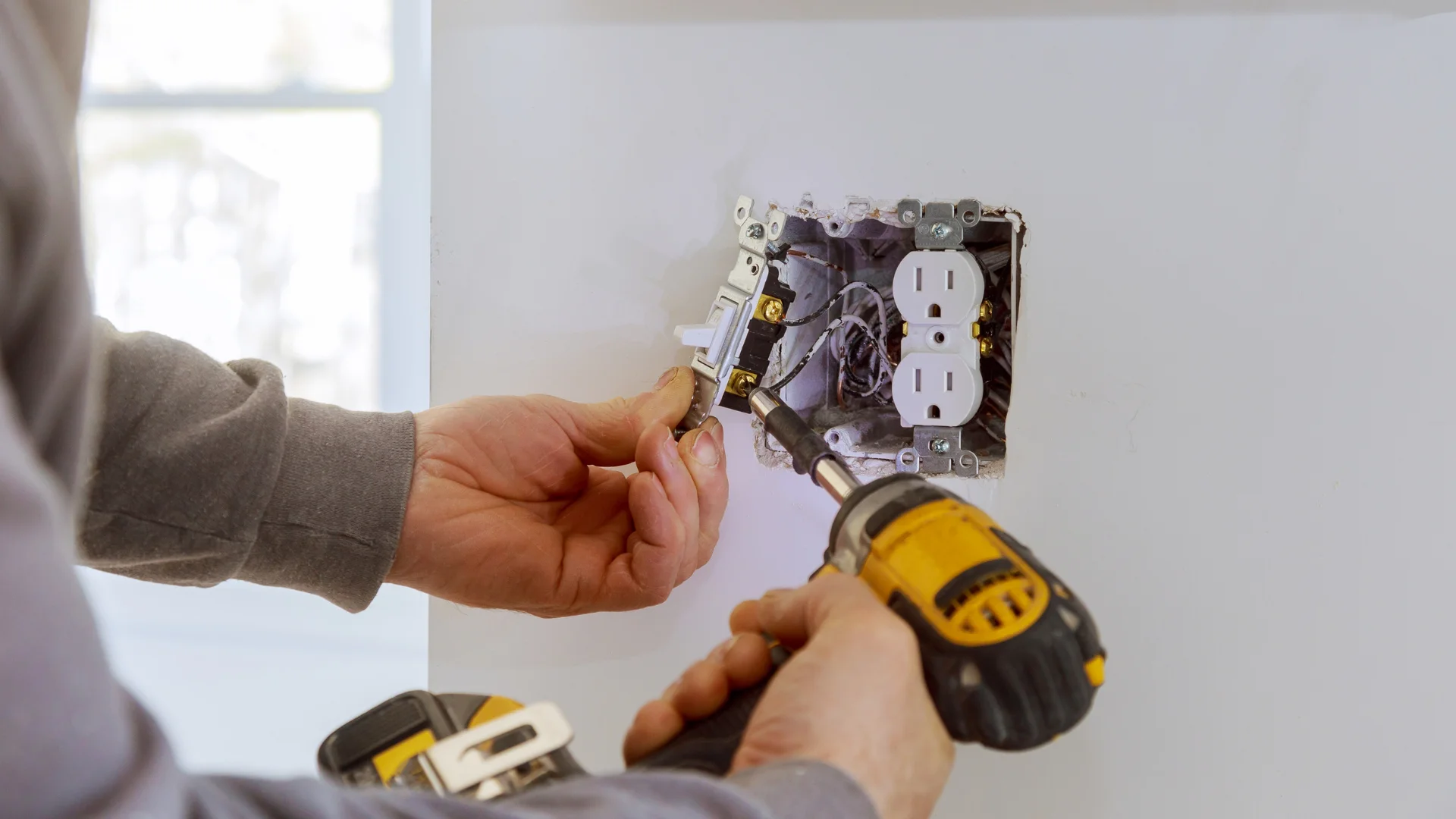
Are you suspicious that someone may have tried to break into your apartment? The signs of an attempted break-in can range from glaringly obvious to subtle. To give you an idea of what to look for, here are some of the most common signs of an attempted apartment break-in:
Even if nothing was taken, it’s important to report suspicious activity. Let your landlord or property manager know if you’re not feeling safe and why. In cases where there are obvious signs of a break-in, you might also consider filing a police report.
If someone has already tried to, or successfully broken into your apartment, here’s what to do next:
Yes, tenant insurance typically covers your personal belongings, up to a certain limit, if they’re stolen or damaged during a break-in. However, there are conditions and exclusions to be aware of. For example, tenant insurance usually does not cover:
Just because coverage exists, though, doesn’t mean it always makes sense to file a claim. For example, if your $300 headphones were stolen and your deductible is $500, you’re likely better off covering the loss yourself rather than going through the hassle of filing a claim that won’t result in any payout. If the value of the stolen items exceeds your deductible, on the other hand, then filing a claim may be in your best financial interest. For example, if your laptop, TV, tablet, and headphones were taken and your deductible is $500, you could receive compensation for the total value of those items, minus the $500 you’re responsible for paying out of pocket.
A determined thief, given the opportunity and access, can be difficult to stop, and for your own safety, it’s best not to intervene directly.
But does that mean there’s no point in taking preventive measures? Not at all. Many break-ins are opportunistic. Thieves typically look for easy targets, like units with weak entry points, no visible security, or predictable routines.
By making your apartment harder to access or less appealing as a target, you reduce the likelihood of a break-in. Most would-be intruders won’t want to waste time or risk drawing attention and will move on to an easier target. With that in mind, here are some simple but effective ways to make your apartment feel safer:
Also, the next time you’re apartment hunting, be sure to ask the landlord or property manager questions like:
Life happens, even when we do everything right. Apartment break-ins are uncommon, but they’re not impossible. While you can’t prevent every risk, having tenant insurance and taking proactive safety measures can help you bounce back faster.
Tenant insurance is one of the easiest ways to protect yourself after a break-in. Knowing you’re covered in the event of a break-in can help minimize stress and provide you with financial security. Take this as a sign to review your policy, or get one if you don’t already have tenant insurance. It’s not about paranoia; it’s about peace of mind.

YouSet is a technology-driven insurance platform that simplifies buying and renewing insurance. Combining proprietary technology and the support of AMF and RIBO licensed brokers, we’re making it faster and easier to buy home and car insurance online from top insurers for less.





Our algorithms do the hard work comparing policies and prices from Canada’s top providers.