Car insurance


It’s easy to assume that if you have car insurance, any repair bill will be covered. But in reality, it isn’t that simple. Coverage depends on what caused the damage and what’s included in your policy. If the damage was caused by a covered event, like a collision, theft, vandalism, or severe weather, and you have the right type of coverage in place, your insurer may be able to help pay to repair the damage.
Without the right coverage, though, you may be left paying out of pocket. In this blog, you’ll learn when car insurance can help cover repairs, the types of damage that may be included, and how to make sure your policy protects you before something happens.
Key takeaways
If your car is damaged by a covered event, such as a collision, theft, vandalism, or severe weather, and you have the appropriate coverage (collision or comprehensive), your insurance can help pay for repairs up to your policy limits.
Yes, car insurance can cover repairs for damage caused by accidents or other covered events, but only if you have the right coverage, usually collision or comprehensive, depending on the cause of the damage.
Collision coverage pays for repairs if your car is damaged in a crash, whether you hit another vehicle or object. This applies regardless of who’s at fault. Comprehensive coverage, on the other hand, pays for damage from non-collision events like theft, vandalism, falling objects, hail, fire, or hitting an animal.
Together, these coverages protect you and your vehicle against many of the most common risks you face as a driver in Canada. Bear in mind that both collision and comprehensive coverage are optional and must be added to your car insurance policy to be eligible for coverage. The exception is when your car is leased or financed, in which case your lender may require them. A few important things to keep in mind:
If you have the right coverage in place and the damage your car sustained is from a covered event, the repairs may be eligible for reimbursement up to the limits in your policy. Some of the most common repairs claimed through car insurance include:
While car insurance is designed to protect you from many common risks, it doesn’t cover every type of damage or situation. It doesn’t cover the following types of repairs:
Car insurance also typically won’t cover repairs in the following situations:
Knowing where coverage stops or what may put it at risk can help you avoid surprises should you ever find yourself with a damaged car in need of repairs.
Having both collision and comprehensive coverage is the best way to make sure you’re protected from the most common types of damage, whether it’s a crash, theft, vandalism, or a storm. Without them, even a single accident could leave you paying thousands of dollars in out-of-pocket repairs.
With YouSet, getting the right coverage at the best price is easy. In just four minutes, our platform compares quotes from multiple insurers, applies exclusive discounts, and finds you the most competitive rate year after year.
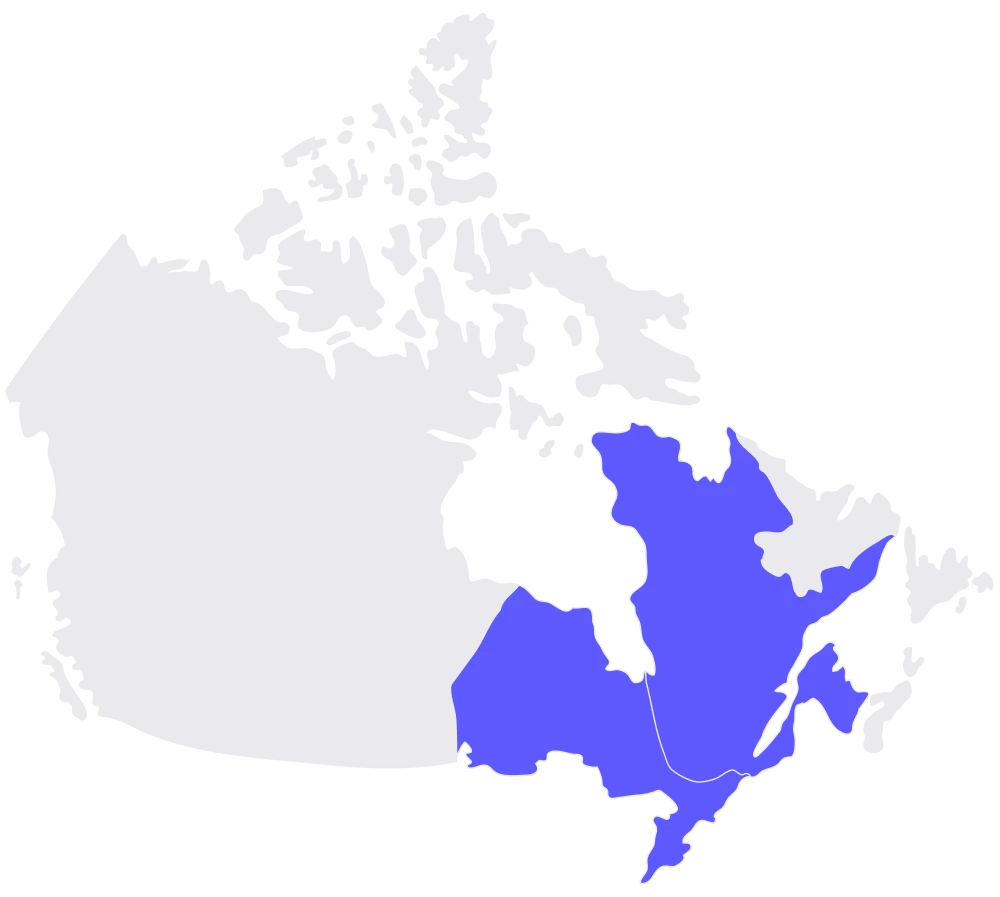
YouSet is a technology-driven insurance platform that simplifies buying and renewing insurance. Combining proprietary technology and the support of AMF and RIBO licensed brokers, we’re making it faster and easier to buy home and car insurance online from top insurers for less.




Get the best price year after year with price alerts at renewal. We’ll even re-shop to find you a better deal.