Car insurance


Registering a vehicle ensures that your name and car details can be found in your province or territory’s vehicle registration system. Once your car is registered, your vehicle is legally allowed on public roads in Canada, making it a critical step in owning a car that every owner must take, whether brand new or used.
But do you need insurance to register a vehicle in Canada? The short answer is yes; however, car insurance isn’t the only thing required. In this article, we’ll walk you through what you’ll typically need to register your car.
Key takeaways
To register a car in Canada, you need proof of car insurance along with:
The first step to registering a car in your name is proving that you are who you say you are. Every province and territory requires a valid, government-issued photo ID. This helps prevent fraud, identity theft, or someone else registering a car in your name. Accepted forms of ID usually include:
Expired ID cards, health cards, student cards, or other non-government forms of identification are not usually accepted as valid forms of ID. Always double-check your province’s requirements as they can vary.
Before you can register a car, you need to prove that you legally own it. A bill of sale or the vehicle’s existing registration document signed over to you by the seller (if you’re buying used) are the two most common ways of doing so. Other documents that may count as proof of ownership include:
If you’re financing or leasing the vehicle, your lender or leasing company may also need to be listed on the registration.
While the specifics of the coverage can vary, it’s important to know that every province in Canada requires active car insurance before you can register your vehicle. You may be asked for the following:
This confirms that your car meets the minimum coverage required by law, which varies depending on your location. Some provinces will tie insurance directly to licence plates, meaning you might have trouble getting plates without coverage as well.
If your car is used, imported, or has not been registered in the province before, a safety inspection could be required. These inspections ensure that the vehicle meets road safety standards.
Depending on your province, the inspection must be performed by a licensed mechanic or an official inspection station. You may be asked to present a Safety Standards Certificate or equivalent document showing that the vehicle passed the inspection within a certain time frame (often 36 to 60 days).
In some parts of Canada, your vehicle will need to pass an emissions test before it can be registered. This test is to check that your car doesn’t produce too many pollutants. For example, Ontario no longer requires emissions testing for most vehicles, but British Columbia still requires AirCare inspections for certain cars.
It’s always a good idea to check your provincial or territorial website to see if emissions testing applies to your situation. If your vehicle fails the inspection, you may need to invest in repairs and retest before registration is approved.
When you go to officially register your vehicle in Canada, you’ll typically have to pay a fee, regardless of which province or territory you live in. In most cases, vehicle registration fees range from $50 to $200 per year, though the exact amount will vary depending on where you live, the type of vehicle you’re registering, and whether it’s a new registration or a renewal.
For reference, though, the cost to register a personal-use vehicle in Ontario as of August 2025 is $32, with no annual renewal fee. While the vehicle registration fees in Quebec in 2025 are between $160.97 and $212.97, depending on your region, and include a contribution to the province’s public auto insurance plan.
Getting your vehicle registered can seem like a lot of work, but it’s usually a fairly straightforward process when you know what to expect. From verifying your identity to making sure your car is safe and insured, each step helps ensure Canada’s roads are safe and comply with the law.
Having insurance and proper coverage isn’t just a formality, but mandatory in Canada. It protects you, your passengers, and your finances if something goes wrong. Life happens, and when it does, being properly insured and registered gives you peace of mind.
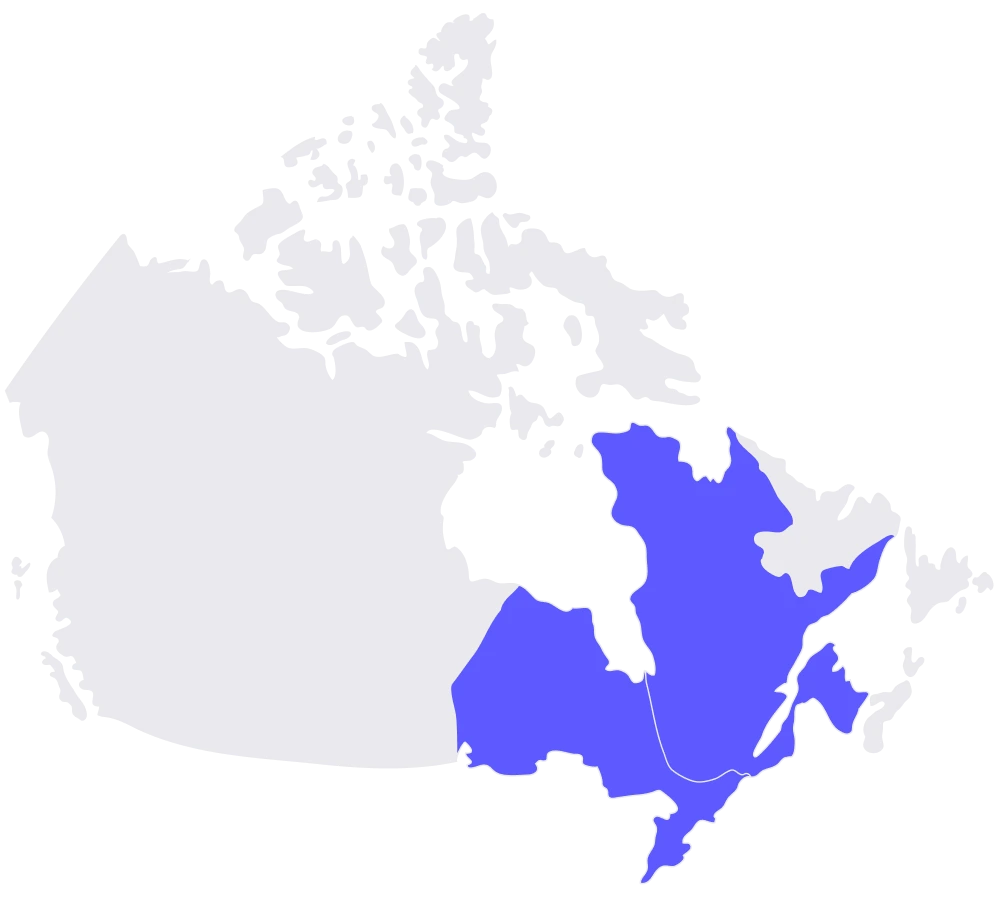
YouSet is a technology-driven insurance platform that simplifies buying and renewing insurance. Combining proprietary technology and the support of AMF and RIBO licensed brokers, we’re making it faster and easier to buy home and car insurance online from top insurers for less.





Buying insurance doesn’t have to be so hard. Just ask YouSet’s 400,000+ users.
Great communication, and was easily able to get a good quote.
Very fast and easy. Completed my home insurance purchase in less than 24h.
Fast and efficient. Followed up with me via text and was also available by phone if I wanted to call.
I had already looked for my insurance renewal and thought I had found a good deal. YouSet found an equivalent solution at $400 cheaper.
Efficient, responsive broker that gets you good rates, instead of waiting forever to talk to someone.
I’m always saving money with these guys. They find the best prices on the market.
Easy to buy car insurance. Perfect for a busy person like me.