
Condo insurance


As a renter, many aspects of your living situation can feel out of your control, from rising rent prices to unpredictable maintenance issues. However, renters insurance (also referred to as tenant insurance) can help you feel more secure and in control, offering peace of mind knowing you’re covered in case the unexpected happens.
While this coverage is a smart choice and, in some cases, even mandatory, it’s natural to wonder if there’s a way to pay less and save more.
Fortunately, this article provides helpful tips that can help you potentially lower your tenant insurance premium. While not every option may be applicable to your situation, you’ll gain a clearer understanding of the strategies available to help you save.
Key takeaways
Follow these tips and strategies to save on your renters’ insurance:
If you’re looking to save on your monthly renters’ insurance bill, you’re not alone! Renters across the country, just like you, want the same thing, which is why you’ll find several tips below that can help you get cheaper renters insurance. While it’s unlikely that every tip will apply to your situation, at least you’ll know what’s possible.
Traditionally, bundling means getting both policies from the same insurer for a discount. While this can lower your premium, it may not save you the absolute most money possible. Fortunately, YouSet takes a more flexible approach to bundling, automatically comparing “mix and match” policies from different providers to see if the savings outweigh the traditional single-insurer bundling discount.
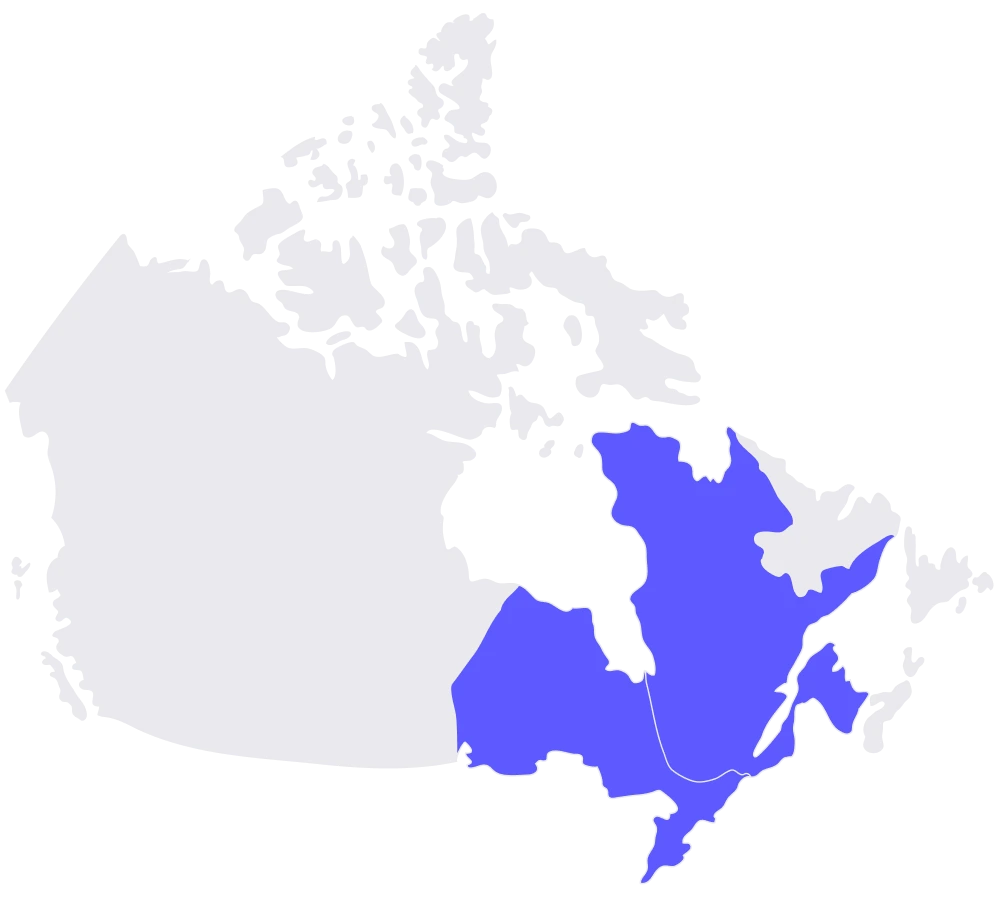
Many insurers in Québec and Ontario offer discounts for apartments with advanced safety features. For example, monitored smoke alarms and sprinklers can detect early signs of fire and help reduce damage, while monitored security systems and burglar alarms deter theft. If your apartment already has any of these systems, be sure to check with your provider about potential discounts.
Just like you would shop around for the best deal on a new TV by comparing features, prices, and reviews to make sure you’re getting the most value for your money, comparing renters insurance quotes from multiple providers can help you find the best coverage at the right price for your needs. If the thought of hunting down quotes seems overwhelming, YouSet can do the work of sourcing and comparing quotes for you in less than four minutes.
While renters insurance is usually billed monthly, many providers offer the option to pay for an entire year upfront. While this may require some extra budgeting, the switch can help you avoid the 2% to 4% interest charges that typically come with monthly payments.
A relatively easy way to get cheaper renters’ insurance is by increasing your deductible. This is the amount you pay out of pocket before your insurance covers the rest, up to your policy’s limit. Generally, the higher your deductible, the lower your premiums. Just be sure you can comfortably afford the higher deductible if you ever need to file a claim.
Every time you file an insurance claim, it goes on and stays on your record for usually between three and six years. This means a small claim you file today could potentially increase your premiums for years to come. So, if you’re facing a situation where the cost of a claim is only slightly above your deductible, it might be worth paying out of pocket instead, to avoid potential premium increases down the road.
When determining your tenant insurance premiums, insurers may factor in your credit score. If they see a low credit score, it can signal higher risk, making it harder to secure lower rates. A good credit score, on the other hand, can help you. So, if your credit score isn’t the greatest, focus on paying off high-interest debt, reducing credit card balances, and avoiding new lines of credit to improve your financial standing.
Renters’ insurance premiums are often higher in areas with high crime rates or a history of flooding or wildfires, as these locations are considered a higher risk to insure. While you can’t always control where you live due to factors like budget or work, it’s still important to consider how your choice of neighbourhood might affect your insurance costs.
YouSet is a technology-driven insurance platform that simplifies buying and renewing insurance. Combining proprietary technology and the support of AMF and RIBO licensed brokers, we’re making it faster and easier to buy home and car insurance online from top insurers for less.





Buying insurance doesn’t have to be so hard. Just ask YouSet’s 400,000+ users.
Great communication, and was easily able to get a good quote.
Very fast and easy. Completed my home insurance purchase in less than 24h.
Fast and efficient. Followed up with me via text and was also available by phone if I wanted to call.
I had already looked for my insurance renewal and thought I had found a good deal. YouSet found an equivalent solution at $400 cheaper.
Efficient, responsive broker that gets you good rates, instead of waiting forever to talk to someone.
I’m always saving money with these guys. They find the best prices on the market.
Easy to buy car insurance. Perfect for a busy person like me.